
Last updated November 14, 2026
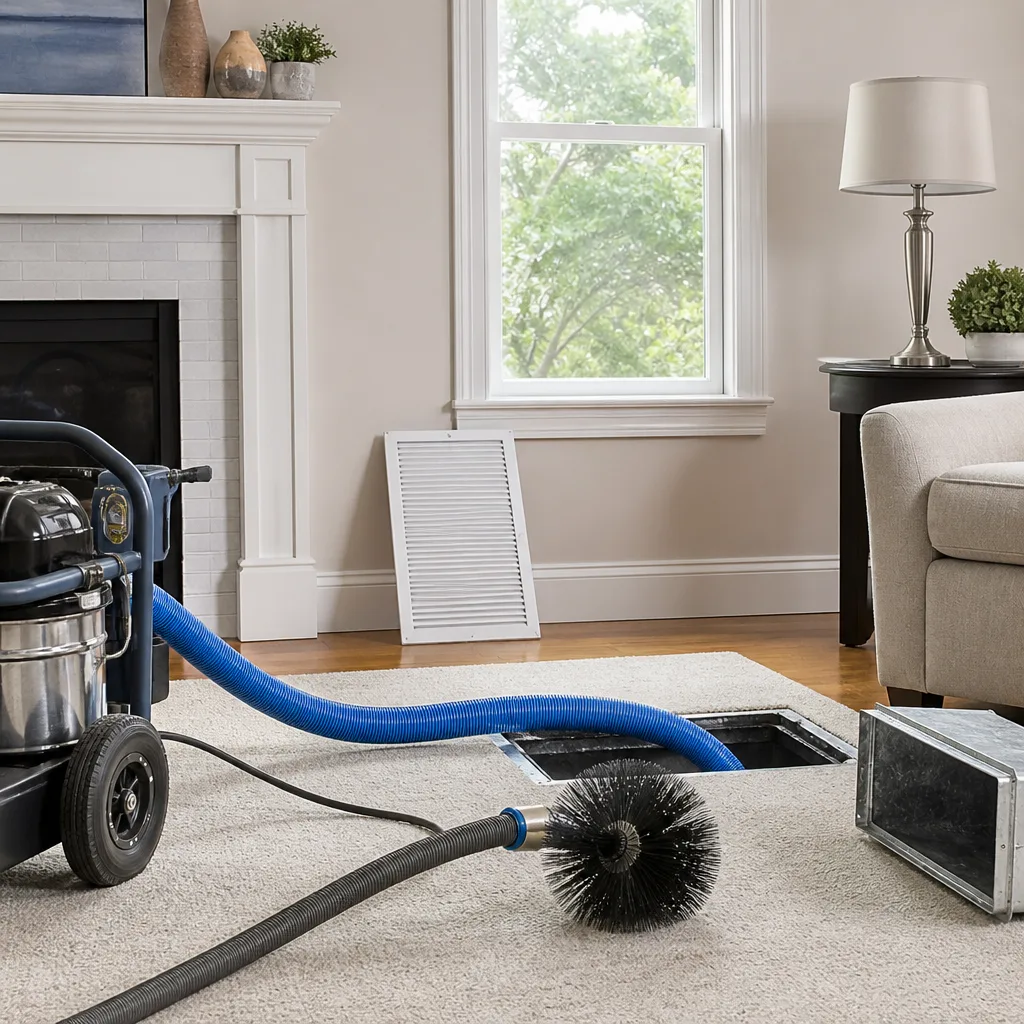 Whole-home duct cleaning
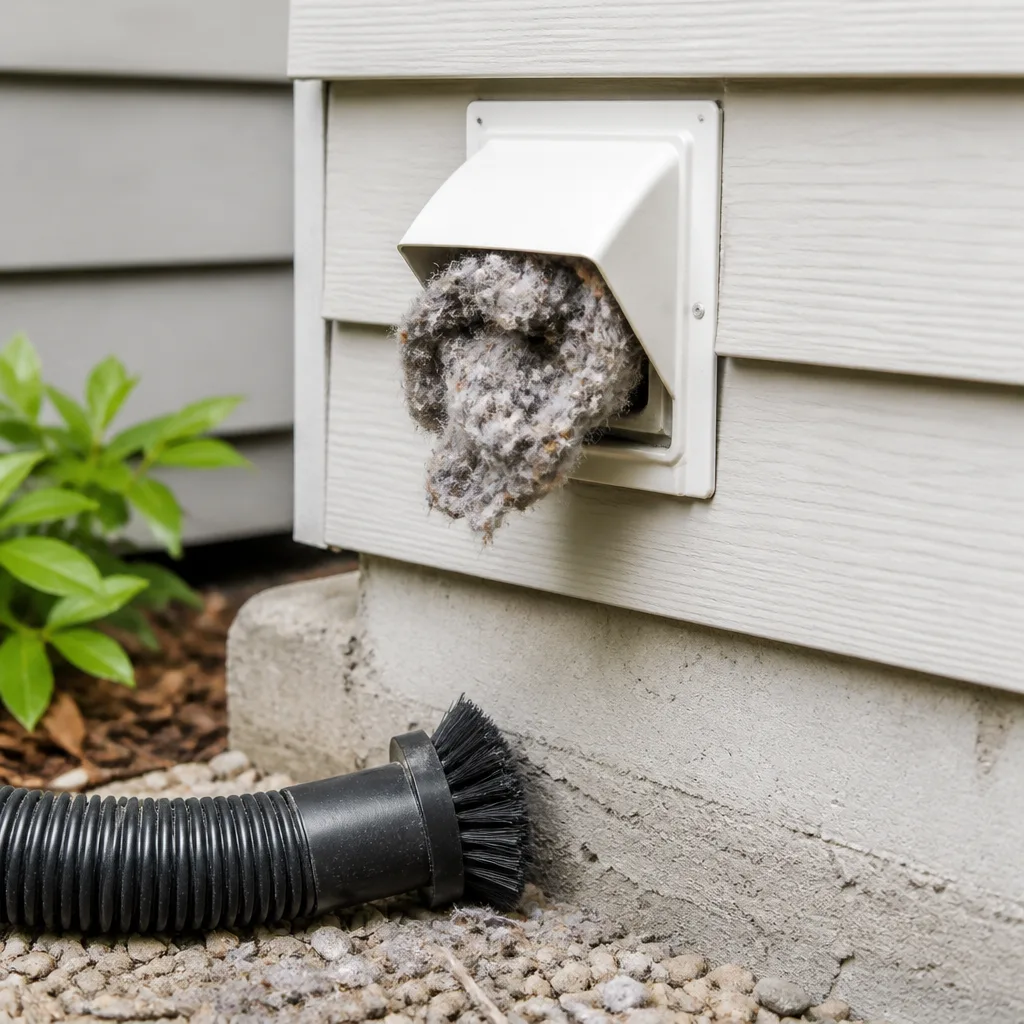 Dryer vent cleaning
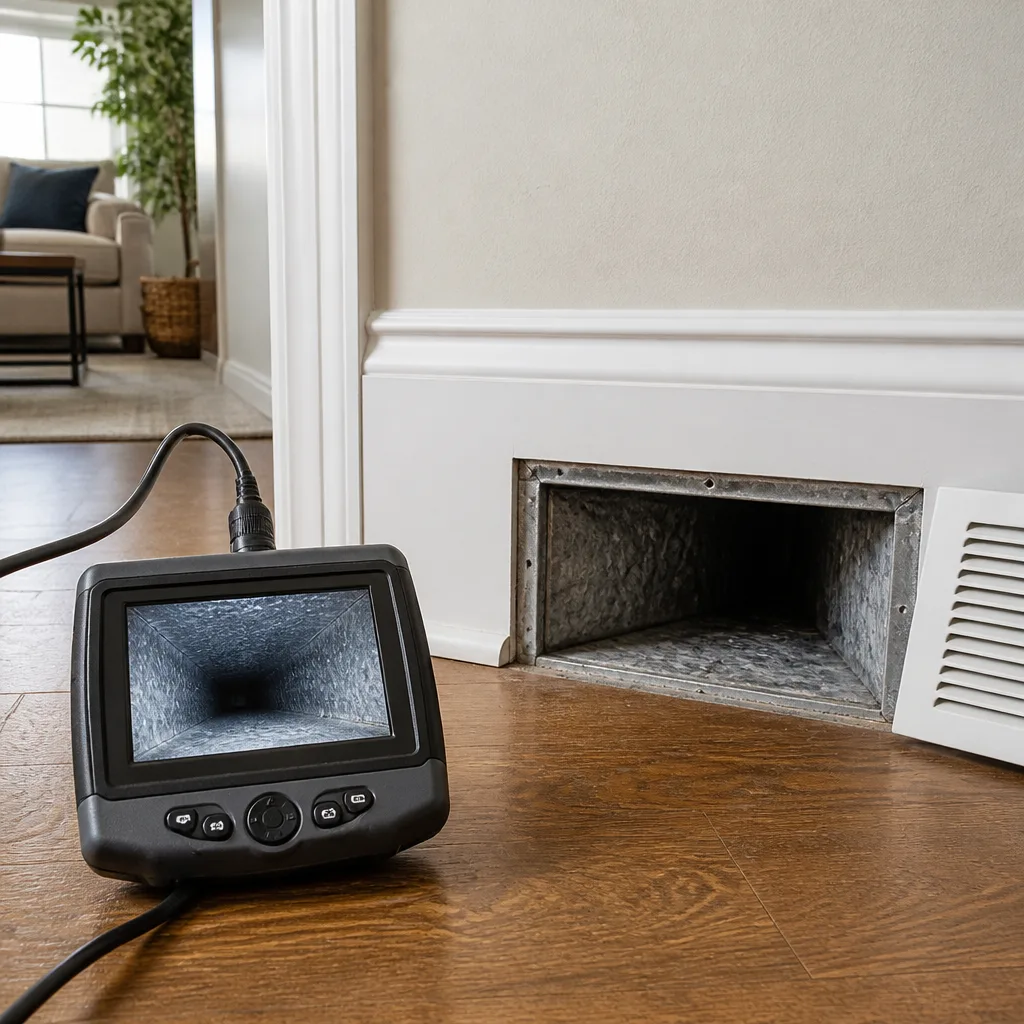 Camera inspection
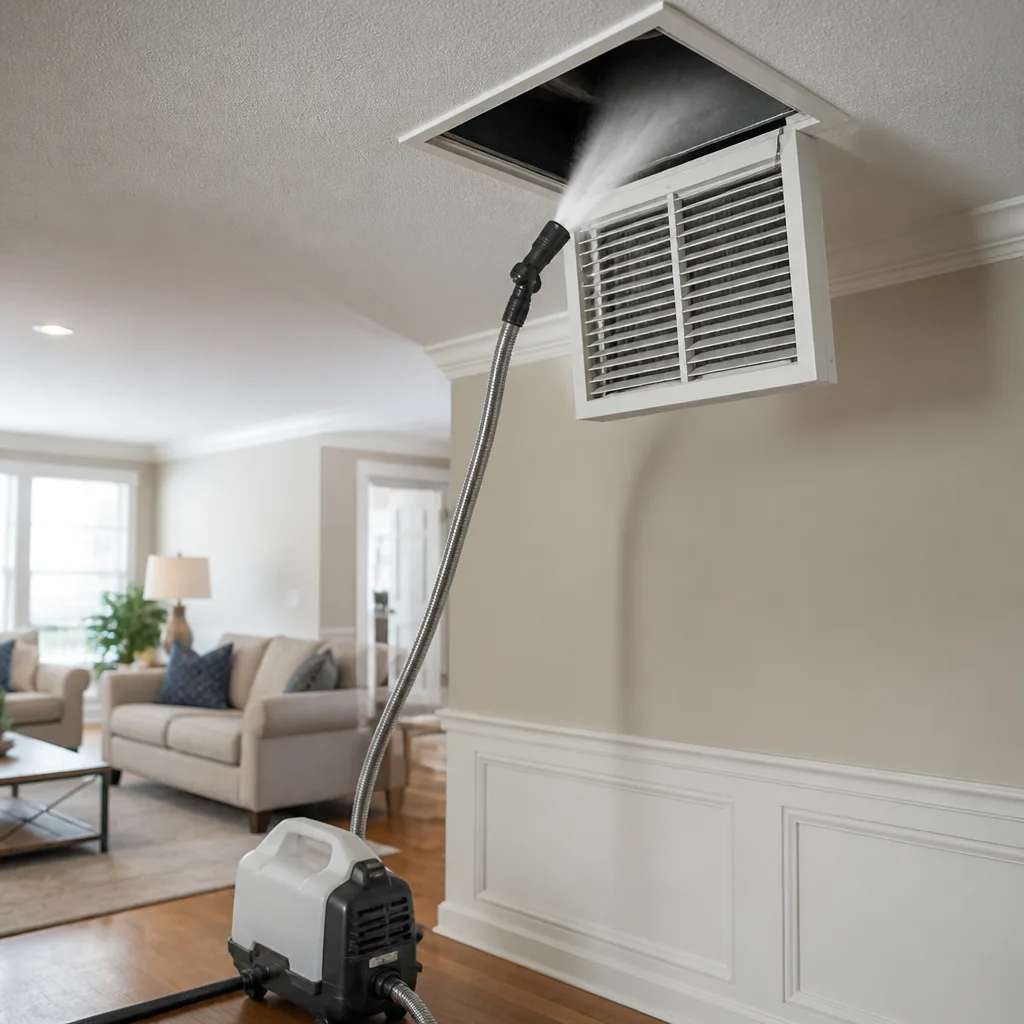 Sanitizing & deodorizing
Whole-system duct and dryer vent check with before-and-after photos - you see exactly what came out of your vents
That "$99 whole-house special" is a bait ad - the real number appears once they are in your hallway, or the "clean" is a shop-vac at the register. We photograph the inside of your ducts before and after instead.
Air Duct Cleaning Troubleshooting in Spokane Valley: Common Problems and How to Fix Them
Most homeowners in Spokane Valley call about a furnace problem when the furnace is working exactly as designed. The complaint is usually a room that never warms up, a hallway that stays stuffy, or dust that settles on furniture hours after cleaning. The equipment answers to a thermostat and fires without complaint. What’s failing is the network of ducts carrying that conditioned air to the rooms, and that network has its own distinct failure modes that no amount of furnace repair will touch. This guide teaches you to read your duct system’s symptoms the way a technician does: separating a dirty duct problem from a damaged one, understanding why Spokane Valley’s climate punishes flex duct, and knowing exactly what to ask before anyone puts a machine in your home.
Quick Answer
Most air duct problems in Spokane Valley trace to one of three causes: accumulated debris restricting airflow, a structural failure like collapsed or disconnected flex duct, or a breached return pulling unconditioned crawlspace or attic air into the system. The right fix depends entirely on which one you have. Cleaning solves the first, repair solves the second and third, and diagnosing the difference starts with airflow tests you can run yourself before calling anyone.
Styles & brands we work with
- Whole-home duct cleaning
- Dryer vent cleaning
- Camera inspection
- Sanitizing & deodorizing
Table of Contents
- Dirty Ducts vs. Damaged Ducts: How to Tell the Difference
- Airflow Tests Any Homeowner Can Run
- Why Spokane Valley’s Temperature Swings Wreck Flex Duct
- Breached Return vs. Clogged Supply: Two Problems That Feel Identical
- When Cleaning Needs a Scope Inspection First
- The One Post-Cleaning Test You Should Run Before the Technician Leaves
- When You Need air duct cleaning and When You Need Duct Repair
- The Dryer Vent Problem Homeowners Overlook
Dirty Ducts vs. Damaged Ducts: How to Tell the Difference
The single most expensive mistake in duct troubleshooting is paying for a cleaning when the problem is structural, or paying for a repair when the system is simply loaded with debris. These are different problems with different fixes, and the symptoms overlap enough to fool most homeowners.
A dirty duct problem is about accumulation. Debris builds up gradually on duct walls, at registers, and around the blower, slowly reducing airflow and pushing dust back into living spaces. It responds to cleaning. A damaged duct problem is about integrity. Flex duct that has sagged, crushed, torn, or disconnected from a fitting leaks air before it reaches the room it was meant to serve. Cleaning does nothing for this, and in some cases makes it worse by disturbing a compromised run.
Here’s how the two problems typically present differently:
- Dirty ducts: gradual decline in airflow across the whole house, visible dust at registers, musty smell when the system starts, dust settling quickly after cleaning.
- Damaged ducts: one room or zone consistently underperforms while others are fine, air blowing from unexpected places (crawlspace vents, wall cavities), temperature gaps of several degrees between rooms, higher energy bills with no other explanation.
A dirty system generally declines evenly. A damaged system usually fails unevenly, and that unevenness is the tell. If one room in your Spokane Valley home has never heated or cooled as well as the rest, cleaning alone probably won’t fix it. Something in that branch run is compromised.
Airflow Tests Any Homeowner Can Run
Before you call anyone, run these tests. They take twenty minutes and give you information no technician can gather from a phone call. Use a handheld thermometer (an inexpensive infrared gun works) and a sheet of tissue paper.
- The register temperature test. Run the system for ten minutes, then measure the air coming out of each supply register. Note the reading for every room. A room running 8 to 10 degrees off the rest is a red flag for a compromised branch.
- The tissue test. Hold tissue paper against each supply register. Strong, steady deflection means good flow. Weak flutter or no movement means restricted airflow, either from a clog or a leak upstream.
- The return test. Hold tissue against each return grille. It should pull firmly toward the grille. If it barely moves or the grille feels warm when the air conditioning runs, the return path is restricted or breached.
- The filter check. Pull your filter and hold it to the light. If you can’t see through it, it’s restricting flow and skewing every other test.
- The door test. With the system running, close interior doors one at a time and listen for a change in airflow at the nearest register. A significant drop suggests a pressure imbalance the return system can’t handle.
Write the results down. Those readings are what a technician needs to hear you say. A temperature gap of ten degrees between your coldest and warmest rooms isn’t a thermostat issue. It’s your duct system pointing at the problem.
Why Spokane Valley’s Temperature Swings Wreck Flex Duct
Spokane Valley gets both ends of the thermometer. Summer afternoons push into the high 90s, and winter nights drop well below freezing. That cycle of expansion and contraction runs through duct systems year after year, and flex duct absorbs the punishment worst of all.
Flex duct is a helical wire core wrapped in insulation and a plastic jacket. It’s affordable and flexible, which is why it’s used so widely in crawlspaces and attics. But it’s also easy to compromise. When flex duct is undersupported, insulation weakens with age, and the duct sags between supports. A sagging run creates a low spot where the liner pinches or collapses inward, and a collapsed duct might still look fine from the outside.
Here’s what we see in crawlspaces across Spokane Valley neighborhoods like Opportunity and Trentwood: runs that were adequately supported at install sagging and pinching over time, connections at fittings that parted as temperatures cycled, and outer jackets torn where a duct brushes a joist. In an unconditioned crawlspace, those same swings create condensation on cold duct surfaces in winter, and that moisture degrades the jacket further.
You can often identify a collapsed duct without a camera by feel. Go into the crawlspace or attic and run your hand along a suspect run while the system runs. A collapsed section is soft and flat, where a healthy duct is firm and round. If you find a duct that’s flattened, pinched at a fitting, or disconnected from a takeoff, cleaning won’t help. You need Lockhart Air Duct Cleaning-style repair before any cleaning is meaningful. You don’t generally need to crawl through without proper light and footwear, and if a duct run is in a tight, confined space, that inspection belongs to a professional.
Breached Return vs. Clogged Supply: Two Problems That Feel Identical
This is the diagnostic trap. A breached return duct and a clogged supply duct produce nearly identical symptoms: weak airflow, uneven temperatures, and a house that never feels quite right. The fixes are completely different, so getting the diagnosis right matters.
A breached return duct pulls air from where it shouldn’t, typically a crawlspace or attic. The system runs, the blower moves air, but part of what it’s moving is outside air. The signature symptoms are a dusty house, a crawlspace or attic smell indoors, and a system that seems to run constantly without satisfying the thermostat. In Spokane Valley, where many homes have open crawlspaces, a breached return pulls that crawlspace air straight into your living space.
A clogged supply duct is a restriction, not a leak. The signature symptoms are one or two rooms that underperform while the rest are fine, warm air at registers when cooling runs in weak rooms, and static pressure that makes the blower feel strained. The system is trying to push air through a narrowed path.
Distinguish them this way: hold a tissue to a supply register in the weak room. If the flow is weak but the air temperature is right, the duct is likely restricted. If the flow is weak and the air smells musty, earthy, or like a crawlspace, you likely have a return breach pulling in outside air. A breached return is a repair job, not a cleaning job, and no amount of duct cleaning will fix it. If you’re near the Spokane Valley boundary and want a second opinion, our team serving Spokane Valley can walk you through the symptoms over the phone before dispatching anyone.
When Cleaning Needs a Scope Inspection First
Any cleaning job on a system older than about a decade should start with a scope inspection, and any job where you already suspect damage should start there without exception. A scope is a camera on a flexible rod that goes into the duct and shows you what’s actually inside.
Ask for the scope inspection for these reasons:
- You’ve found a collapsed, crushed, or disconnected flex run yourself
- You’ve had a pest problem (rodents or insects) that may have entered through the duct
- The system has never been cleaned and the home is older, so you want to see the debris type before agreeing to clean
- You suspect a breached return and need confirmation before spending money on cleaning
- You’re comparing quotes and want to know what the job actually involves
When the technician scopes the system, ask to watch the monitor. You should see the inside of the duct, the debris type, and any damage in real time. Ask them to point out the boundary between a clean section and a dirty one, and to show you any damage they find. A technician using a professional tool like a Rotobrush or Nikro system commonly carries a camera precisely because the inspection drives the estimate. If the technician won’t show you the screen, you’re getting a guess, not a diagnosis.
At Lockhart Air Duct Cleaning, we don’t just clean your ducts, we inspect and repair them. That’s why the scope comes first: it tells us whether we’re looking at a cleaning job, a repair job, or both, before any work begins.
The One Post-Cleaning Test You Should Run Before the Technician Leaves
Before the technician packs up the equipment and drives away, run one test: measure the air temperature at every register again, run the system for a few minutes, and compare those readings to your pre-cleaning numbers. If your weakest room has improved toward the rest of the house, the problem was debris and the cleaning worked. If the gap remains, something structural is still wrong.
This is the check that separates a real fix from a surface treatment. Do it while the technician is still there with the camera and equipment, so that if the numbers don’t move, you can ask them to re-scope the weak run and figure out what’s still obstructing it. A technician who expects to be held to that standard shows up with the right equipment and does the diagnostic work honestly. In our experience, the calls we get after a bargain cleaning almost always end here: the airflow didn’t change, the customer was never shown a camera, and the real problem was a collapsed run no one bothered to find.
If you want a company that runs that test with you, dryer vent cleaning and duct cleaning are separate services but the standard is the same: verify the work before you call it done.
When You Need Air Duct Cleaning and When You Need Duct Repair
This decision comes down to a single question: is the system compromised, or just dirty? Here’s the practical breakdown.
You need air duct cleaning when:
- Registers and return grilles have visible dust and debris accumulation
- Dust settles quickly after you clean your home
- A musty smell appears when the system first starts
- You’ve recently moved in and don’t know the system’s history
- The house has undergone renovation that generated construction dust
You need air duct repair when:
- One or more rooms consistently underperform
- You’ve found collapsed, crushed, sagging, or disconnected flex duct
- Airflow is weak even after cleaning
- You smell crawlspace or attic air inside the house
- Insulation on duct runs has degraded or the outer jacket is torn
Most real-world jobs in Spokane Valley need both, which is why we present all three as available services: cleaning, repair, and filtration upgrades. Our equipment is the same professional-grade Rotobrush and Nikro system commercial contractors rely on, and we carry the repair scope because a cleaning on a broken system wastes your money.
The Dryer Vent Problem Homeowners Overlook
Most duct troubleshooting stops at the HVAC system, but a dryer vent is a duct, and it fails the same way. Lint accumulates inside the vent the way debris accumulates in HVAC duct, but the consequence is different: a restricted dryer vent is a documented residential fire risk, not just a performance issue.
The symptoms mirror what you’d look for in HVAC ducts:
- Clothes take longer than they should to dry, or require a second cycle
- The dryer feels hot to the touch on the outside
- Lint collects around the dryer rather than in the lint trap
- The outside vent flap doesn’t open fully, or you can feel weak airflow there
A dedicated dryer vent cleaning removes the accumulation and lets you inspect the run for crushed flex or disconnected sections, which is exactly the same diagnostic check we’d do on an HVAC duct. If you can’t remember the last time your dryer vent was cleaned, it’s worth doing. Lockhart Air Duct Cleaning includes dryer vent cleaning as its own service because it addresses a fire-safety concern most duct cleaners either skip or treat as an afterthought.
Common Mistakes to Avoid
- Assuming the furnace is at fault. A furnace that fires and runs without complaint is probably doing its job. When one room stays cold, look at the duct first. The thermostat is rarely the problem.
- Paying for cleaning without a diagnostic. A cleaning on a collapsed or breached system is wasted money. Ask for a scope inspection before agreeing to any cleaning job on a system you suspect is damaged.
- Ignoring a return breach because the house “smells a little earthy.” In Spokane Valley homes with open crawlspaces, a return breach pulls that air straight into your living space. Treat it as a repair, not a smell.
- Accepting a per-vent price. A price quoted by the vent tells you nothing about what the job involves. Ask for a whole-system estimate, in writing, before work starts.
- Letting the technician leave without verifying airflow. Re-measure your register temperatures before they pack up. If the gap hasn’t moved, something is still wrong, and the fix isn’t more cleaning.
- Overlooking the dryer vent. It’s an exhaust duct with a fire consequence. It deserves the same inspection attention as the HVAC ducts.
- Choosing a company that shows up with consumer-grade equipment. Ask what machine they use. Professional contractors use Rotobrush or Nikro systems. A shop vac and a hose is not a duct cleaning.
See the difference
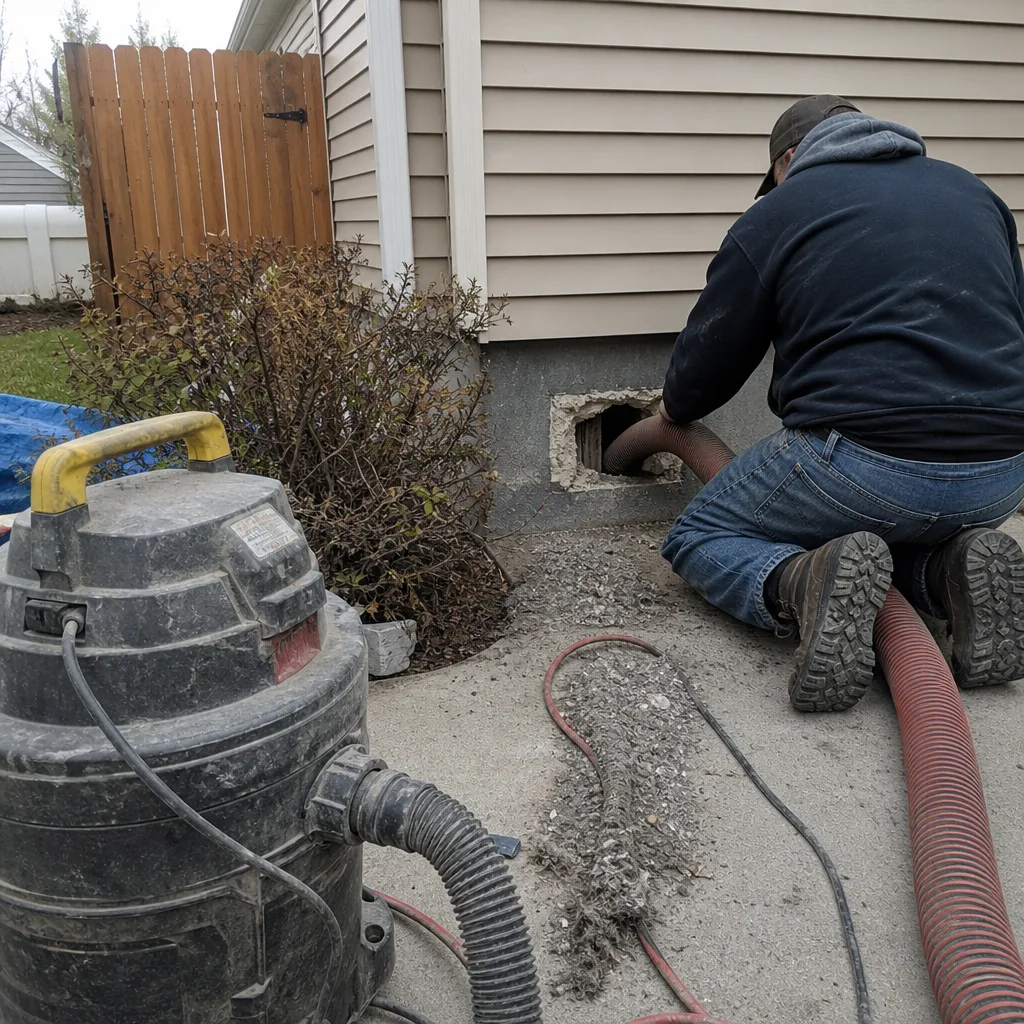 Before
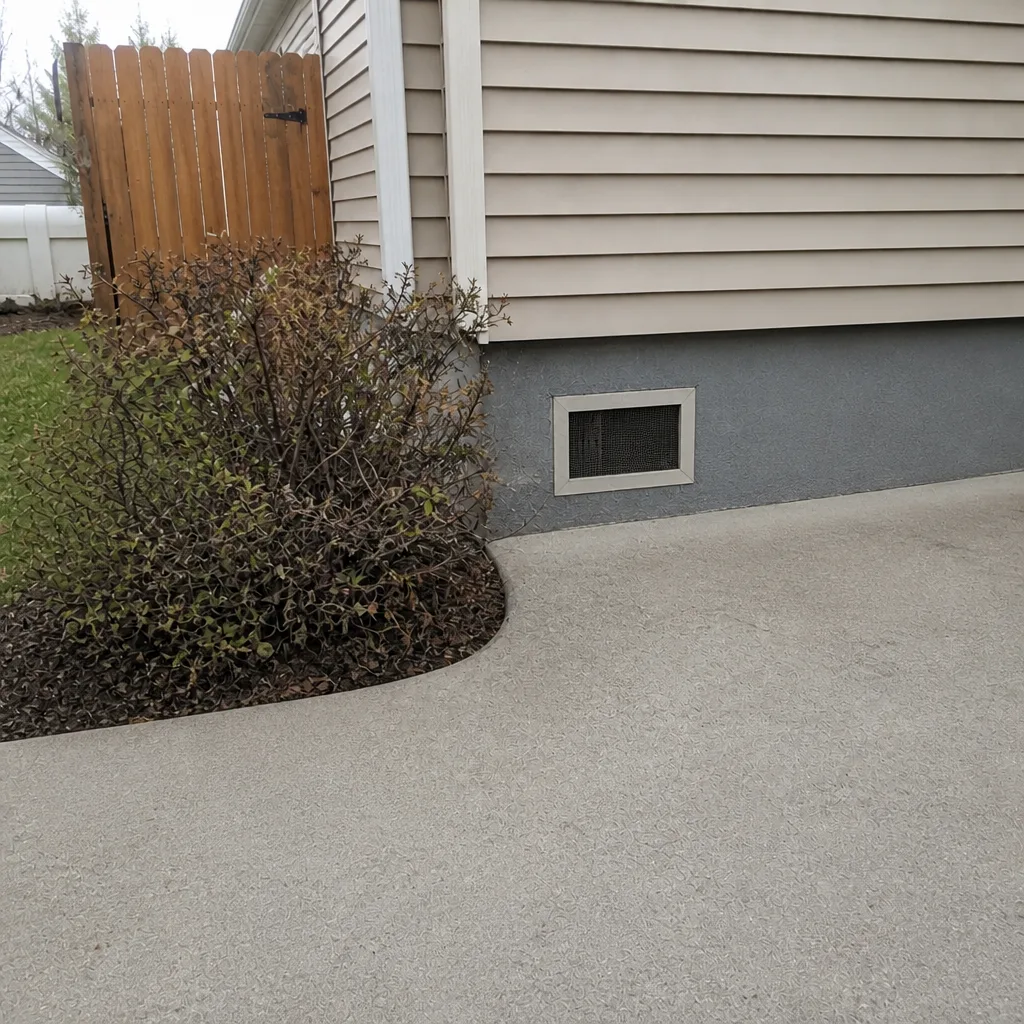 After
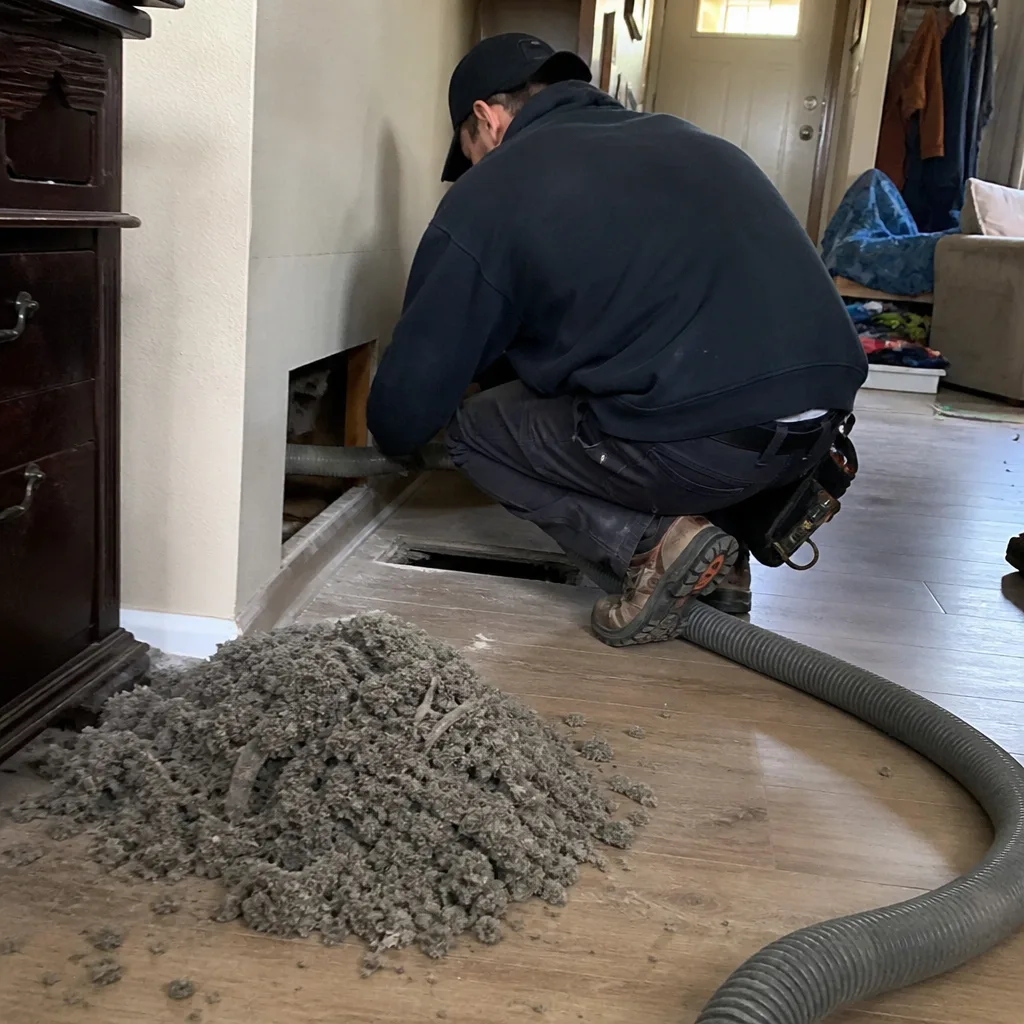 Before
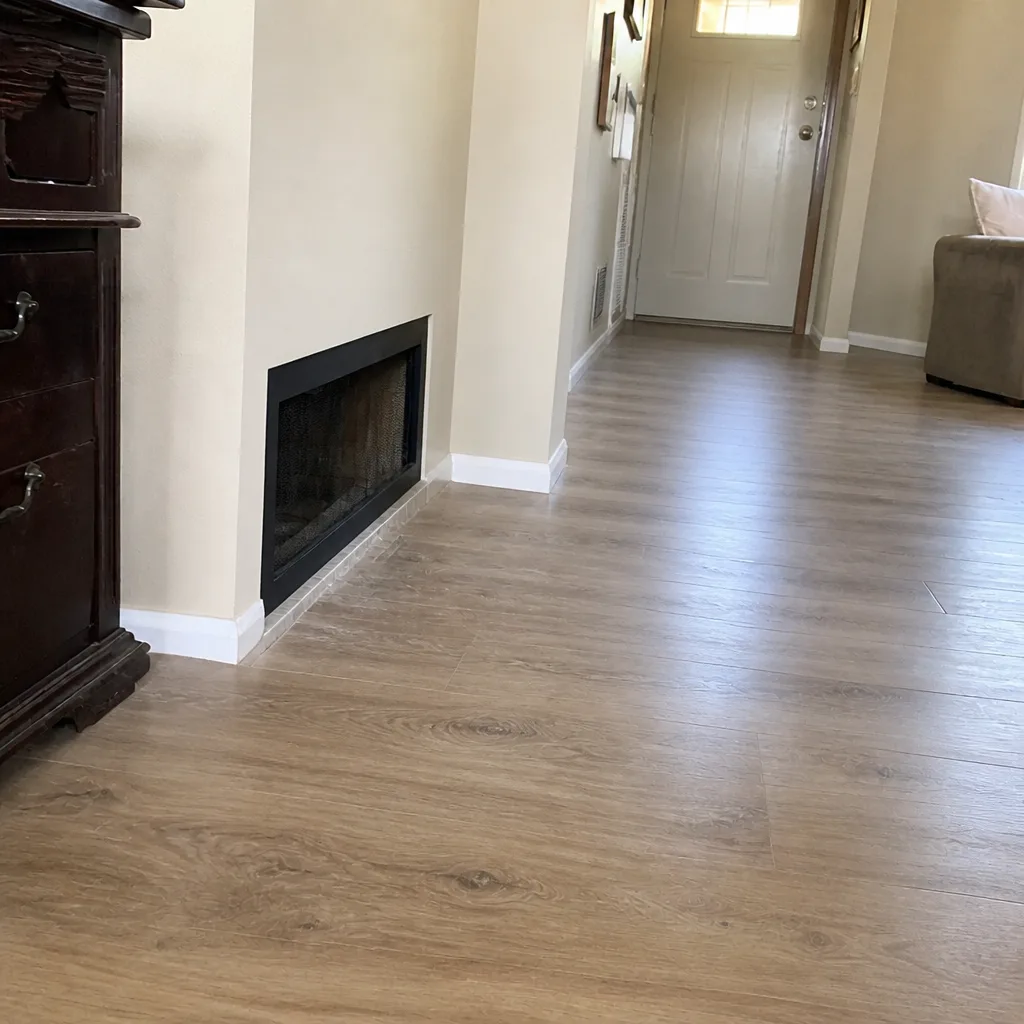 After
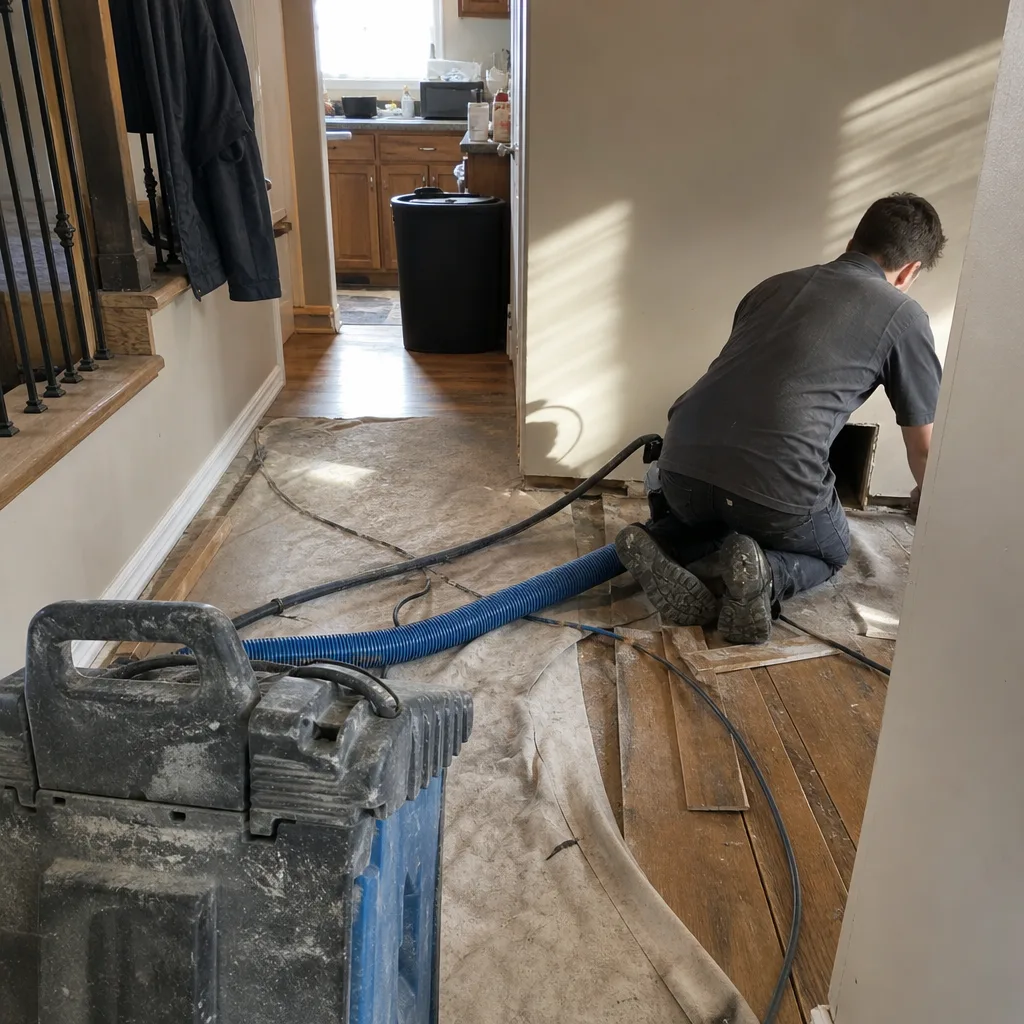 Before
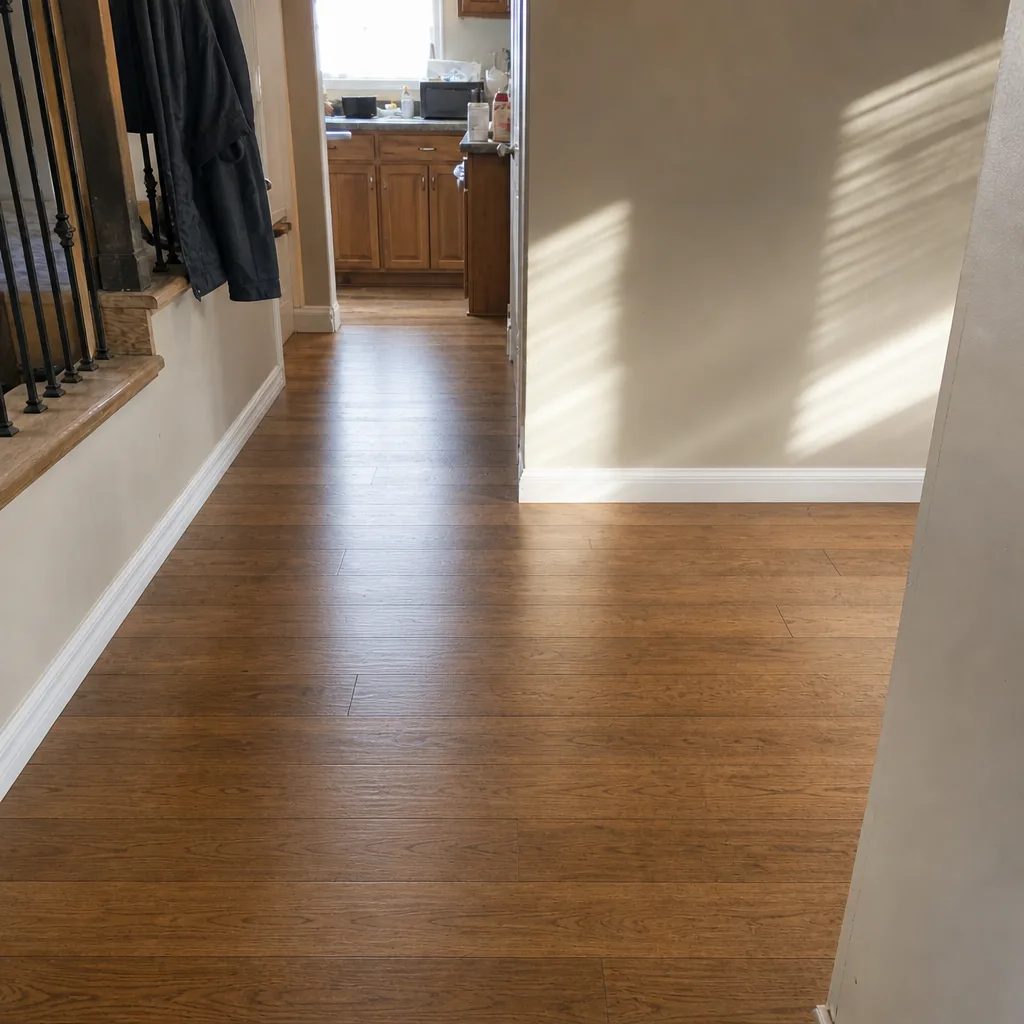 After
When to Call a Professional
Call a professional when your airflow tests show a persistent temperature gap that doesn’t improve after a filter change, when you’ve found collapsed or disconnected flex duct yourself, when you suspect a return breach pulling crawlspace air, or when the system smells musty every time it starts. Also call when your dryer takes two cycles to dry a load or the outside vent flap barely opens. These are all diagnosable now, and leaving them longer makes the repair more involved.
Lockhart Air Duct Cleaning offers free estimates in Spokane Valley. Call (844) 352-9945. We answer 24/7. Fast dispatch from 7am to 7pm, Sunday through Friday, and we’re closed on Saturday. The estimate is per job, in writing, and the written estimate sets the final price.
Frequently Asked Questions
Air duct cleaning in Spokane Valley is typically priced per system, not per vent, because a per-vent price tells you nothing about the debris load or whether the system is damaged. The written estimate sets the final price, and the estimate is free. Call (844) 352-9945 for an exact quote. We answer 24/7. Fast dispatch from 7am to 7pm, Sunday through Friday.
A cheap quote usually means a cheap job: a consumer-grade vacuum, no camera inspection, and a price that grows once the van is in the drive. A real cleaning on a large system takes a professional-grade machine like a Rotobrush or Nikro system, plus a scope inspection to confirm the problem. Ask what equipment they use and whether the price is per system or per vent. If the answer is vague, keep calling. Call (844) 352-9945 for a written, per-system estimate.
Watch the scope footage before and after the cleaning, and re-measure your register temperatures before the technician leaves. If your weakest room hasn’t closed the gap, the work isn’t finished. A technician who shows you the camera screen and the airflow numbers is doing the honest job. Call (844) 352-9945 to schedule a diagnostic and see the footage yourself.
Most homes in Spokane Valley benefit from a cleaning every few years, or after renovation or a pest problem. Homes with damaged flex duct need the damage repaired before the cleaning interval matters. When in doubt, a scope inspection tells you when the next cleaning is actually due rather than guessing. Call (844) 352-9945 for a free estimate.
Sometimes, but only if the cold room is caused by debris restriction. If the cold room is caused by a collapsed or disconnected duct run, cleaning won’t help and the duct needs repair. That’s why the airflow tests in this guide matter: they tell you which problem you have before you spend money. We handle both cleaning and repair, so the diagnosis drives the fix. Call (844) 352-9945.
We clean and inspect both. Dryer vent cleaning is a dedicated service because a restricted dryer vent is a documented residential fire risk, and most duct cleaners treat it as an add-on. The same diagnostic logic applies: check for crushed flex, disconnected sections, and lint accumulation. Call (844) 352-9945 for a free estimate on both.
The Bottom Line
Your duct system has symptoms, and they’re readable if you know what to look for. A room that’s 10 degrees colder than the rest isn’t a thermostat problem, it’s a branch run problem. A musty smell when the system starts isn’t a filter problem, it’s a return breach. Run the airflow tests, write down the numbers, and ask for a scope inspection before agreeing to any cleaning. When you do need cleaning, insist on a professional-grade machine, a per-system written estimate, and a performance test before the technician leaves. Lockhart Air Duct Cleaning works with Honeywell, Aprilaire, Abatement Technologies, and Guardsman product lines, which means we can also recommend filtration upgrades during the same visit if your system needs them.
If you want to talk through your readings, call (844) 352-9945. We answer 24/7. Fast dispatch from 7am to 7pm, Sunday through Friday. Estimates are free, and the written estimate sets the final price. Lockhart Air Duct Cleaning has served Spokane Valley for 10 years, since 2016, and we bring the same professional-grade equipment commercial contractors use into your home.
Written by the team at Lockhart Air Duct Cleaning, serving Spokane Valley since 2016.