
Last updated November 14, 2026
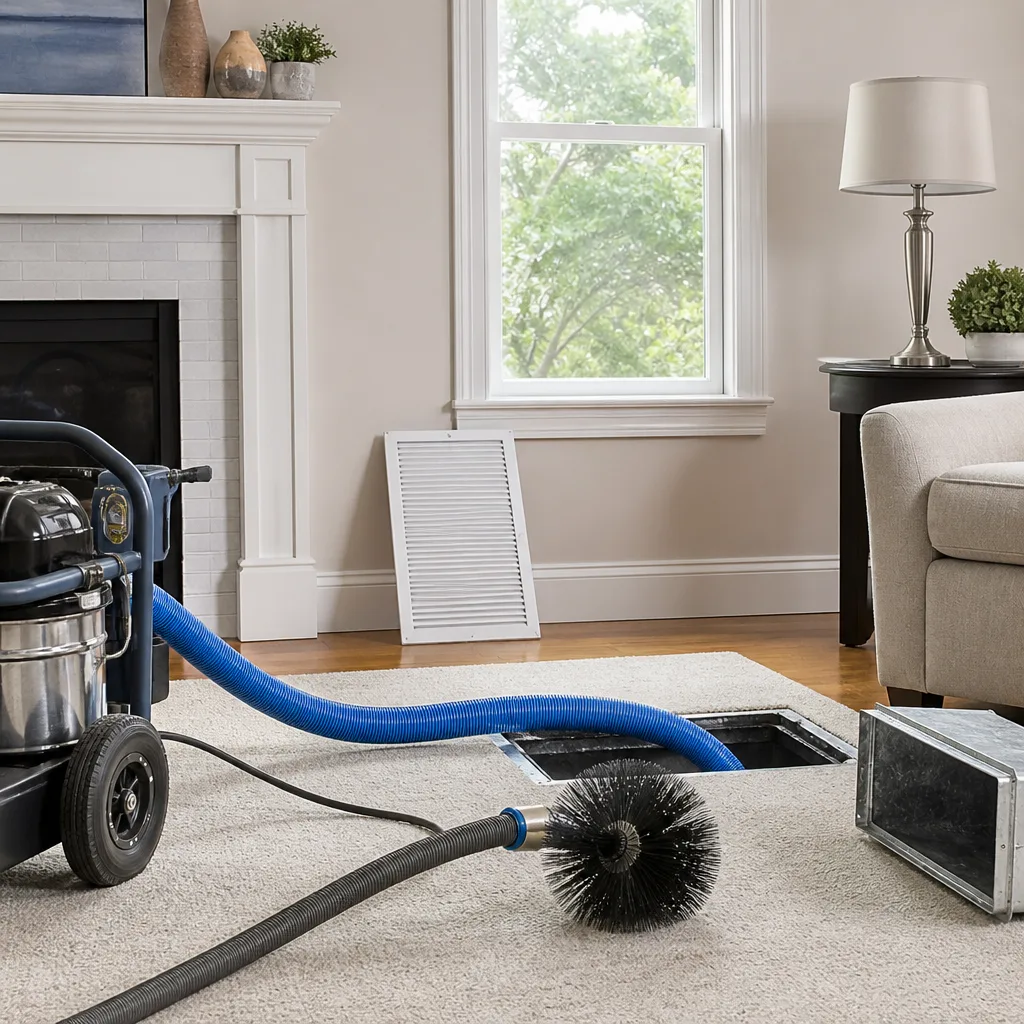 Whole-home duct cleaning
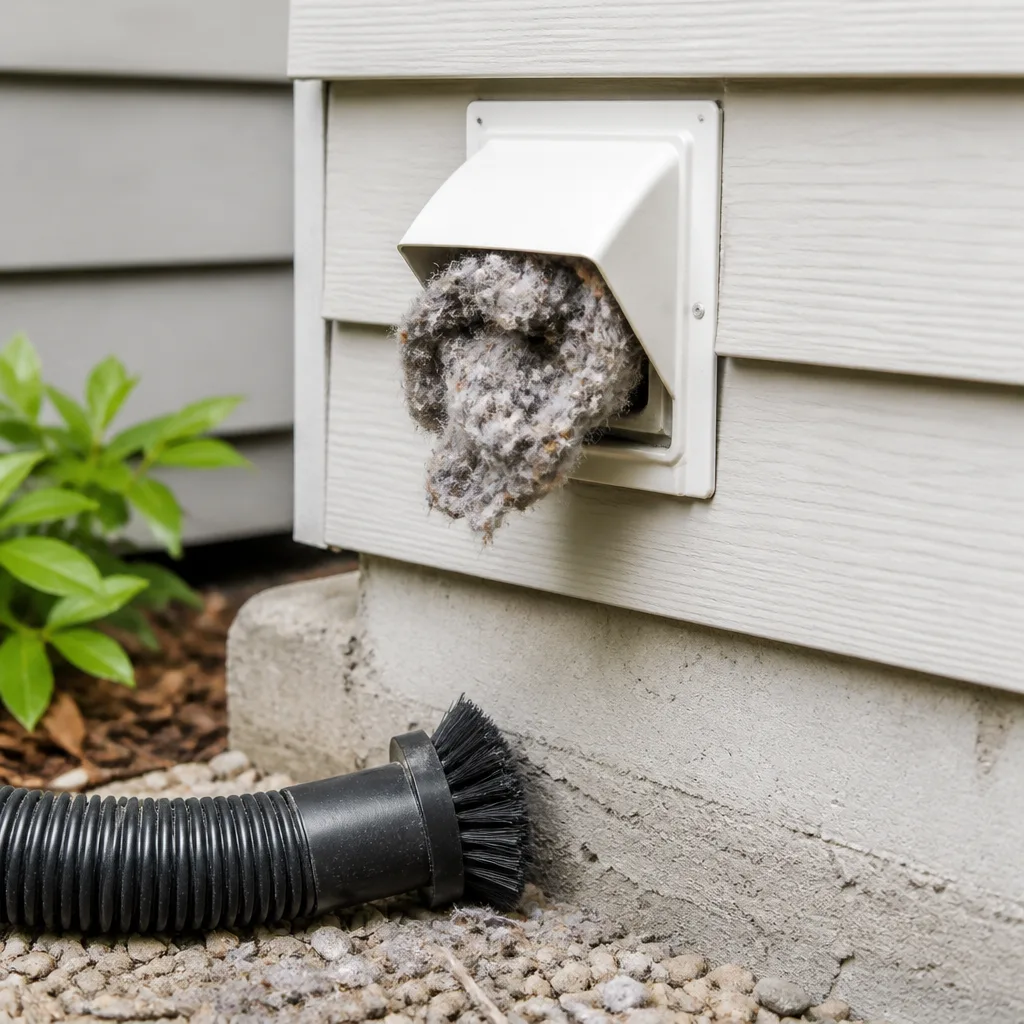 Dryer vent cleaning
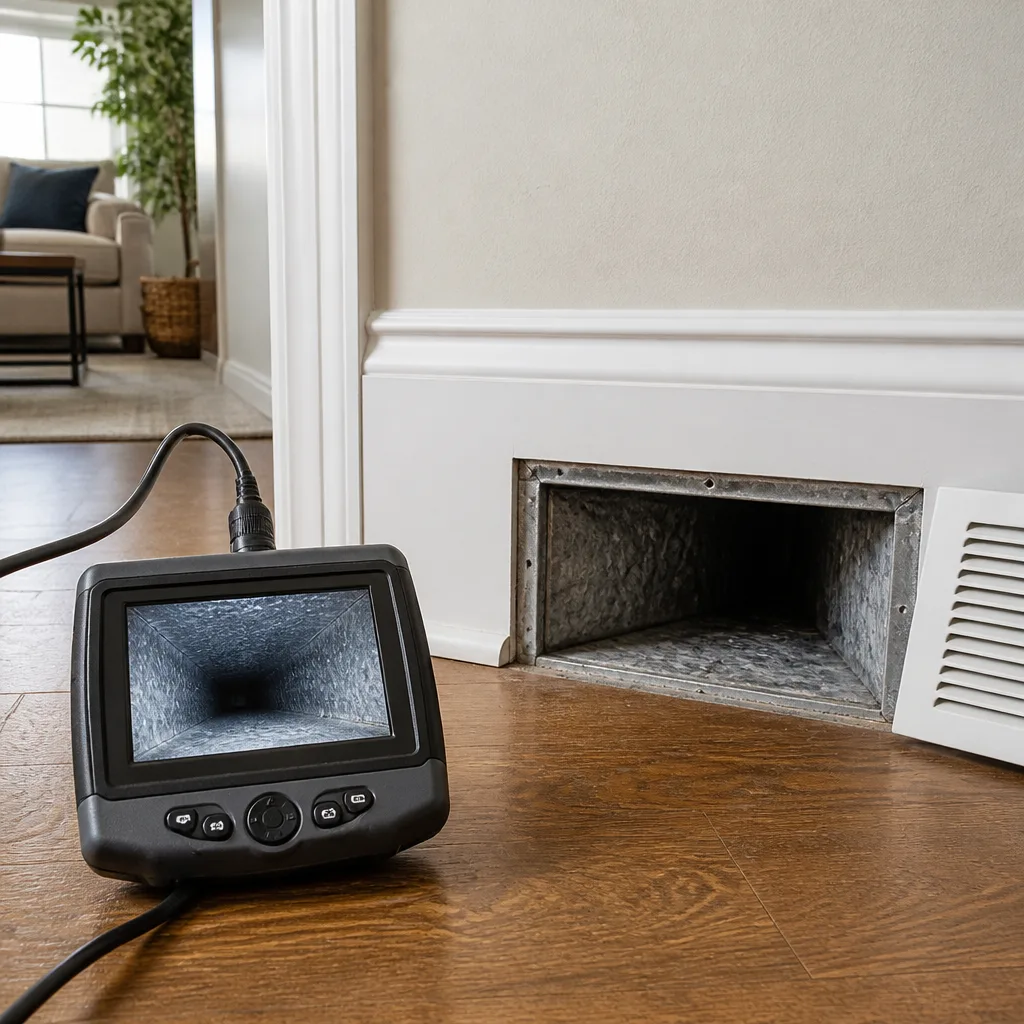 Camera inspection
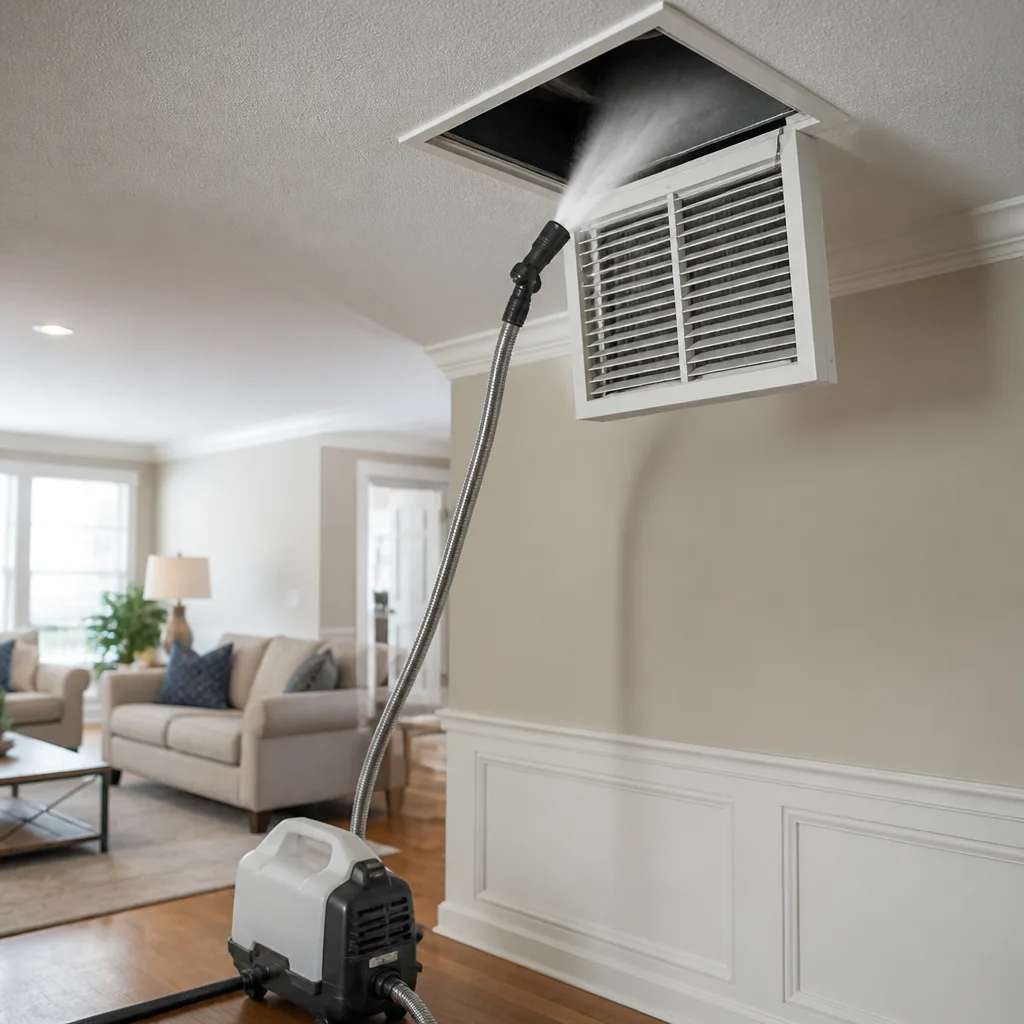 Sanitizing & deodorizing
Whole-system duct and dryer vent check with before-and-after photos - you see exactly what came out of your vents
That "$99 whole-house special" is a bait ad - the real number appears once they are in your hallway, or the "clean" is a shop-vac at the register. We photograph the inside of your ducts before and after instead.
Choosing the Right Air Duct Cleaning Brand: A Buyer’s Guide for Spokane Valley
Two companies can pull up in nearly identical vans, quote nearly identical prices, and deliver wildly different results. One sends a technician with a shop vac and a brush. The other brings a truck-mounted Rotobrush system, inspects the ducts before touching them, and hands you before-and-after photos of your own system. The logo on the door tells you almost nothing about which one you got. Brand recognition in this trade is mostly marketing spend, and marketing spend has no relationship to how clean your supply trunks end up. In Spokane Valley, where the housing stock runs from mid-century ranch homes to newer builds near the river, that gap matters. This guide shows you how to judge any company, franchise or independent, on the things that actually determine service quality: equipment, training, repair capability, and accountability.
Quick Answer
You choose the right air duct cleaning company in Spokane Valley by checking four things before you book: the equipment it uses (professional-grade systems like Rotobrush or Nikro, not consumer vacuums), whether it also repairs ducts rather than only cleaning them, whether it can show you before-and-after photos of your own system, and whether it commits to one flat price per system agreed before work starts. A familiar brand name tells you none of those things on its own. Ask the questions, get the answers in writing, and the brand on the truck stops mattering.
Styles & brands we work with
- Whole-home duct cleaning
- Dryer vent cleaning
- Camera inspection
- Sanitizing & deodorizing
Table of Contents
- Why Brand Recognition Fails You in Spokane Valley
- The National Booking Platform Problem
- What “Locally Operated” Really Means
- The Questions That Separate a Specialist from a Cleaning Crew
- How to Verify Equipment, Training, and Claims Before the Job
- Spokane Valley Housing Stock and Why It Changes the Job
- What a Proper Duct Cleaning Visit Looks Like, Step by Step
- What Duct Cleaning Should Cost and What Cheaper Really Means
Why Brand Recognition Fails You in Spokane Valley
A nationally recognized duct cleaning franchise operating in Spokane Valley draws from the same local labor pool, uses the same or comparable equipment, and faces the same scheduling pressures as any independent. The franchise name on the truck conveys a fast-food consistency promise: same experience everywhere. But duct cleaning is not a burger. The result depends heavily on the individual technician’s training, the specific machine on the truck, and whether the company has the skill to fix a crushed return duct once it finds one. Those variables don’t get standardized by a logo.
There’s a second problem with name-based selection. A franchise fee structure takes a cut of every job, which means the operator has to make that margin somewhere. Sometimes that comes from volume, sometimes from add-on sales, sometimes from the speed of the work. None of that is automatically bad. But it does mean the brand is not a proxy for rigor. We’ve watched homeowners in Spokane Valley agonize over which big name to call when the better question was which company brings a Rotobrush and inspects before quoting.
What brand familiarity actually predicts
Familiarity predicts three things: a recognizable logo, a national phone number, and a website you’ve seen in search results. It doesn’t predict whether the technician will spend two hours or forty minutes on your system. It doesn’t predict whether the company can repair a disconnected duct joint in the attic. It doesn’t predict whether you’ll get photos of what came out of your supply lines.
In our experience across Spokane Valley, the companies that do the most thorough work are rarely the ones with the biggest ad budgets. They’re the ones whose technicians can explain, in plain language, what they found and what they did about it. That skill is built through training and equipment, not through marketing.
The three things that actually determine quality
- Equipment: Professional-grade cleaning systems like Rotobrush and Nikro generate the suction and agitation needed to remove debris from the whole system, not just the easiest-to-reach sections.
- Technician training: A trained technician knows how to inspect before cleaning, how to protect your floors and HVAC equipment, and how to recognize a duct system that needs repair rather than a second pass with the brush.
- Company accountability: A company that stands behind the job, answers follow-up calls, and will come back if something wasn’t right is worth more than any logo.
The National Booking Platform Problem
You’ve seen them: websites that look like duct cleaning marketplaces, with slick booking flows and a promise that a vetted local pro will arrive. What’s actually happening is that the platform sells your job to whichever local subcontractor will take it at the platform’s margin. The platform has your money and no equipment. The subcontractor has the equipment and less of your money than if you’d called them directly. Neither party has strong motivation to handle a follow-up complaint well.
How the accountability gap works
- You book through the platform. The booking page collects your information and a price estimate that was generated without anyone looking at your ducts.
- The platform assigns the job. It goes to a local operator who accepted the platform’s rate. The operator may be excellent or may be the only one available that day.
- The work happens. Quality depends entirely on the subcontractor, not the platform.
- Something goes wrong. You call the platform. The platform points to the subcontractor. The subcontractor points to the platform’s rate. The resolution is slow or doesn’t happen.
That structure isn’t a scam, but it is a structural weakness. When you hire a company directly, the person who answers the phone, the person who does the work, and the person who’d handle a complaint are part of the same business. The incentives line up. In Spokane Valley, that matters for a simple reason: duct systems in our older homes often have surprises. A disconnected joint, a crushed section, a return line that was never routed properly. A subcontractor working at a platform rate has every incentive to finish and leave, not to investigate.
What to ask a booking platform
- Who is the licensed company doing the actual work?
- What equipment will arrive at my house?
- Who do I call if the job isn’t right?
If the answers are vague or point back to the platform, book directly with the company. You’ll usually pay less because you’ve cut out the middle margin, and you’ll get better accountability because there’s no one to deflect to.
What “Locally Operated” Really Means
“Locally owned” is often thrown around loosely, but it means something concrete for a duct cleaning purchase. A locally operated company can follow up in person. It knows the building stock, the climate, and the specific quirks of homes in Spokane Valley. And it has a reputation in the same community where you live, which changes the incentive to do the job right.
Accountability and follow-up access
When a local company cleans your ducts and you notice a register still blowing dusty air a week later, you can call the same number and reach the same people. That kind of access is built into a locally operated model. With a national call center or a booking platform, follow-up runs through layers. We’re not suggesting local companies never make mistakes. We’re pointing out that a local owner has more reason to correct one.
Lockhart Air Duct Cleaning has served Spokane Valley since 2016. In that time we’ve learned that the follow-up matters as much as the initial visit. If a customer calls back, they reach us, and we address it.
Institutional knowledge of local building stock
Duct systems vary enormously by era. Homes built in the middle of the last century often have sheet metal ducts with plenty of joints, and sometimes original insulation that’s broken down. Newer construction in the Spokane Valley area tends to use flex duct, which is quieter but easier to crush if it’s run badly. A local company that works here every week knows what to expect when it opens an attic hatch. That knowledge translates into fewer surprises and better fixes.
Local climate matters too
Spokane Valley winters are cold and dry, and heating systems run hard for months. Long run times drive more air through the ducts, which means more dust accumulates and small leaks matter more. Summer brings its own load when air conditioning runs. A duct system in this climate sees more annual air movement than one in a mild region, so the cleaning interval that fits a coastal home may be too long here. A local operator factors that in when recommending a schedule.
The Questions That Separate a Specialist from a Cleaning Crew
A single-service cleaning crew brings a vacuum, runs a brush through what it can reach, and leaves. A full-service duct specialist cleans, inspects, repairs, and can recommend filtration upgrades. In Spokane Valley’s older housing stock, the distinction isn’t academic. A duct system that needs repair will not stay clean until the repair happens.
Ask these before you book
- Do you inspect the system before cleaning? A trained technician looks inside before touching anything and tells you what they found.
- Can you repair ductwork, not just clean it? If a joint is disconnected or a section is crushed, the cleaning is temporary until someone fixes it.
- What equipment do you bring? Look for professional-grade systems like Rotobrush or Nikro. If the answer is a shop vac, don’t book.
- Do you clean dryer vents? It’s a separate high-risk job most duct cleaners ignore. A company that handles it is a full indoor-air-quality specialist, not a one-trick crew.
- Can you install or recommend filtration upgrades? A company that works with established product lines like Honeywell, Aprilaire, or Abatement Technologies can address the source of contamination, not just the symptom.
- Will I get before-and-after photos? Photos of your own system are the difference between a claim and evidence.
- Is the price per system or per vent? A single flat price per system, agreed before work starts, protects you from an unexpected invoice.
Why repair capability matters in Spokane Valley
Older homes often have ductwork that’s been modified, extended, or partially replaced over the decades. Original duct runs can have joints that have loosened, boots that have separated from the floor, or flex sections that were never supported properly. When a cleaning crew encounters those, the best it can do is note them. A company that also handles air duct cleaning and repair in one visit can correct them and finish the job properly.
Lockhart offers Air Duct Repair alongside cleaning for exactly this reason. Cleaning a separated duct joint is a short-term fix; repairing it means the system starts to hold pressure and deliver airflow the way it was designed to.
How to Verify Equipment, Training, and Claims Before the Job
You don’t need a technical background to verify what a company brings to your house. You need to ask specific questions and expect specific answers. If a company can’t give you clear answers before you book, that’s information too.
A verification checklist
- Ask the company to name its equipment. Rotobrush and Nikro are professional-grade systems used by serious contractors. A trained receptionist or owner should know the brand offhand.
- Ask how the technician is trained. Look for a company that describes specific training on the equipment, not just years of “experience.”
- Ask for photos of past jobs. Before-and-after photos of real systems, not stock images, are a good sign.
- Ask about insurance and bonding. Be specific: “Are you licensed, insured, and bonded?” A company that can’t answer that clearly should not be in your attic.
- Ask about the product lines they work with. A company that mentions specific brands like Honeywell, Aprilaire, or Guardsman by name in the context of filtration upgrades is likely a genuine indoor-air-quality specialist, not a cleaning crew that occasionally sells a filter.
- Ask for the price in writing before the work starts. A written estimate per system protects you and shows how a company operates.
What a red flag sounds like
Vague answers are the clearest signal. “We use industry-standard equipment” with no specifics. “We’ll figure out the price when we see it.” A booking process that won’t let you talk to the actual technician or owner. A price that seems impossibly low for the scope. Any one of those is worth a second call elsewhere.
You can check our Lockhart Air Duct Cleaning page and ask whatever you need. We’d rather answer twenty questions before the job than spend a phone call explaining afterward.
Spokane Valley Housing Stock and Why It Changes the Job
Spokane Valley wasn’t built all at once. Neighborhoods centered around the older commercial corridor along Sprague Avenue have homes that date back decades, while newer developments further out were built under tighter energy codes and with flex duct systems. That mix means a duct cleaning company working here needs to be ready for very different jobs on the same day.
Older homes
Mid-century homes often have rigid sheet metal ducts with plenty of accessible joints but also plenty of opportunity for leaks and separation. Insulation around the ducts in older homes may have degraded. These systems benefit from a thorough inspection and from a company that can make structural repairs when it finds them. Cleaning without repair here is often a partial result.
Newer homes
Newer construction frequently uses flex duct, which handles easier but crushes and kinks easily when it’s installed in tight attic spaces. A crushed flex run drops airflow to a room significantly. The technician who finds it needs to be able to fix it, not just report it.
Climate considerations
Cold winters and hot summers mean the HVAC system in a Spokane Valley home runs a lot. That long runtime means more air, more debris, and more pressure on every joint. It also means a well-sealed, well-cleaned duct system pays off in the form of more consistent temperatures room to room. That’s not a sales pitch; it’s physics. Longer runtimes amplify whatever the ducts are doing.
What a Proper Duct Cleaning Visit Looks Like, Step by Step
If you’ve never watched a professional cleaning, it’s worth knowing what to expect. That knowledge is your best defense against a company that skips steps.
- Walk-through and conversation. The technician asks about airflow complaints, recent renovations, pets, and any rooms that run hot or cold. The answers guide the work.
- Inspection. The technician opens registers, looks into the supply and return system, and takes photos before anything is cleaned. Problems like disconnected joints or crushed sections get flagged.
- Protection. Floors and HVAC equipment are protected before the cleaning equipment comes in.
- Cleaning with professional equipment. A Rotobrush or Nikro system agitates and extracts debris from the whole system. This is the step where equipment quality makes the most difference.
- Repair if needed. If the inspection found a disconnected joint, a crushed run, or a boot that’s separated, the technician corrects it or schedules the repair.
- Filtration check. The technician inspects the filter and may recommend an upgrade if the existing filtration isn’t matched to the home’s needs.
- Before-and-after photos. You get photos of your own system, not stock images.
- Written summary and price confirmation. Any recommended repairs or upgrades come with a clear written price.
That sequence is what separates professional-grade equipment and residential pricing from a quick shop-vac pass. The two-hour version of a duct cleaning is not the same product as the forty-minute version, even if the invoice line looks similar. Dryer vent cleaning follows a similar inspection-first pattern, because a dryer vent blocked with lint is a fire risk, not just an efficiency problem.
What Duct Cleaning Should Cost and What Cheaper Really Means
Duct cleaning in Spokane Valley typically comes in as a single price per system, not a per-vent charge. The honest range depends on the number of systems, accessibility, and whether repairs are needed. A written estimate sets the final number, and any company that gives you a firm price over the phone without seeing the system is guessing.
Be wary of the coupon model. A very low advertised price is often a door-opener. That price covers a minimal cleaning, and the invoice grows once the technician is in your house with additional recommendations. The homeowner is left choosing between paying more and accepting an incomplete job. It’s the single most common bait-and-switch pattern in this trade. A real price per system, agreed before work starts, prevents that.
Why some quotes look much cheaper
- No real inspection. A crew that doesn’t look inside before cleaning doesn’t know what it’s dealing with. The price is low because the scope is small.
- Consumer-grade equipment. A shop vac and a brush cost far less than a Rotobrush or Nikro system. The equipment on the truck determines what the job will actually accomplish.
- No repair capability. A crew that can only clean will only clean. If your ducts need repair, that cost gets pushed to the next contractor.
- Bait pricing. A low headline number that grows at the door. You can avoid it by insisting on one flat price per system, in writing.
How to know the work was done
Ask for before-and-after photos of your own ducts. Ask the technician to walk you through what was found. Confirm the price in writing before the work begins. Any company that balks at those three things is telling you something about how it operates. Call (844) 352-9945 for a free estimate and we’ll answer those questions directly.
Common Mistakes to Avoid
- Choosing on brand name alone. A national franchise in Spokane Valley uses the same labor pool and comparable equipment as local independents. The name doesn’t guarantee better work.
- Booking through a platform without knowing who does the work. If the company dispatching the job isn’t the company doing the job, the accountability is split and you lose control of quality.
- Accepting a per-vent price. Per-vent pricing encourages a rushed job with as few passes as possible. A flat price per system is the fairer arrangement.
- Skipping the inspection step. A technician who cleans without looking first can’t tell you what’s wrong or what needs repair. The inspection is not optional on a serious job.
- Ignoring the dryer vent. It’s a separate job with its own safety stakes. A company that treats it as an afterthought is telling you it’s not equipped for that part of the work.
- Believing that cleaning alone solves airflow problems. In older Spokane Valley homes, disconnected or crushed ductwork is common. Without repair, cleaning is temporary.
- Hiring a single-service cleaning crew for a repair problem. If the ducts need structural work, hire a company that also repairs them. Otherwise you’ll need a second contractor to finish the job.
See the difference
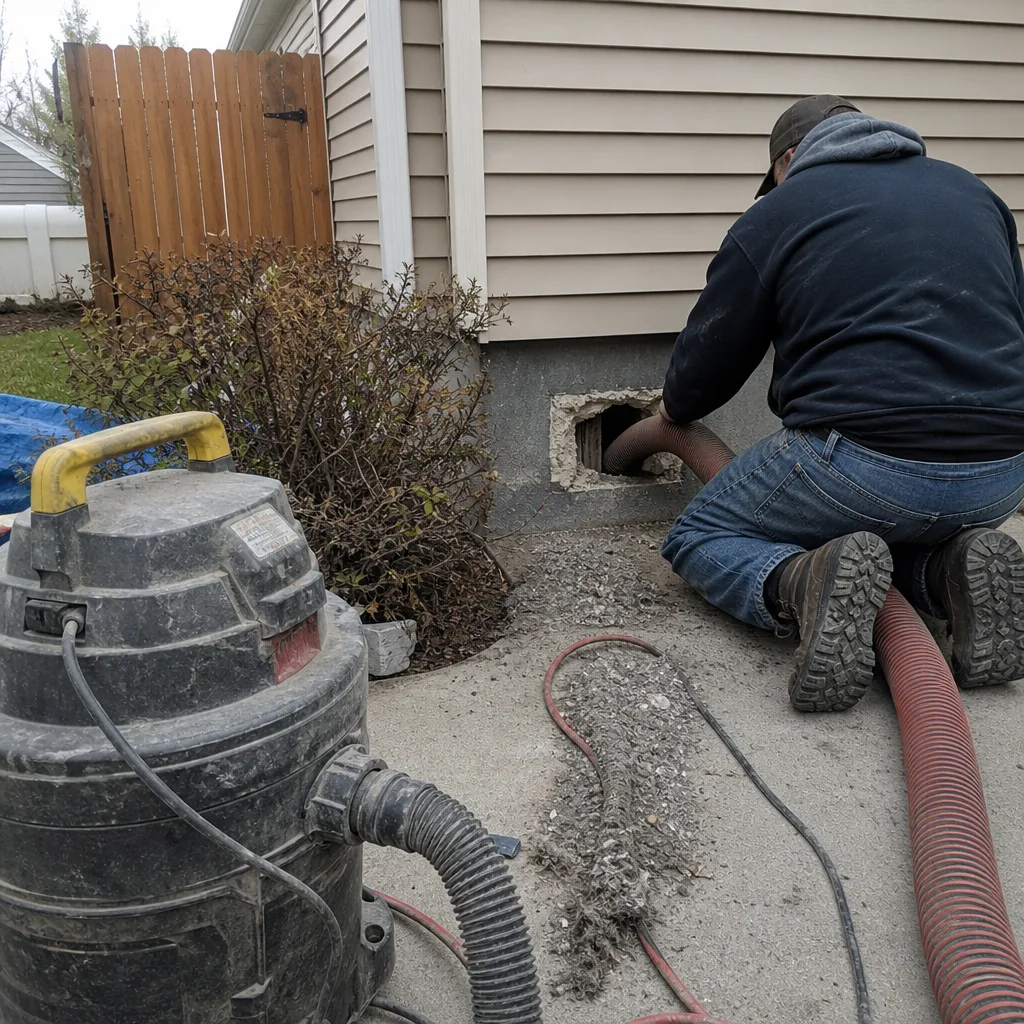 Before
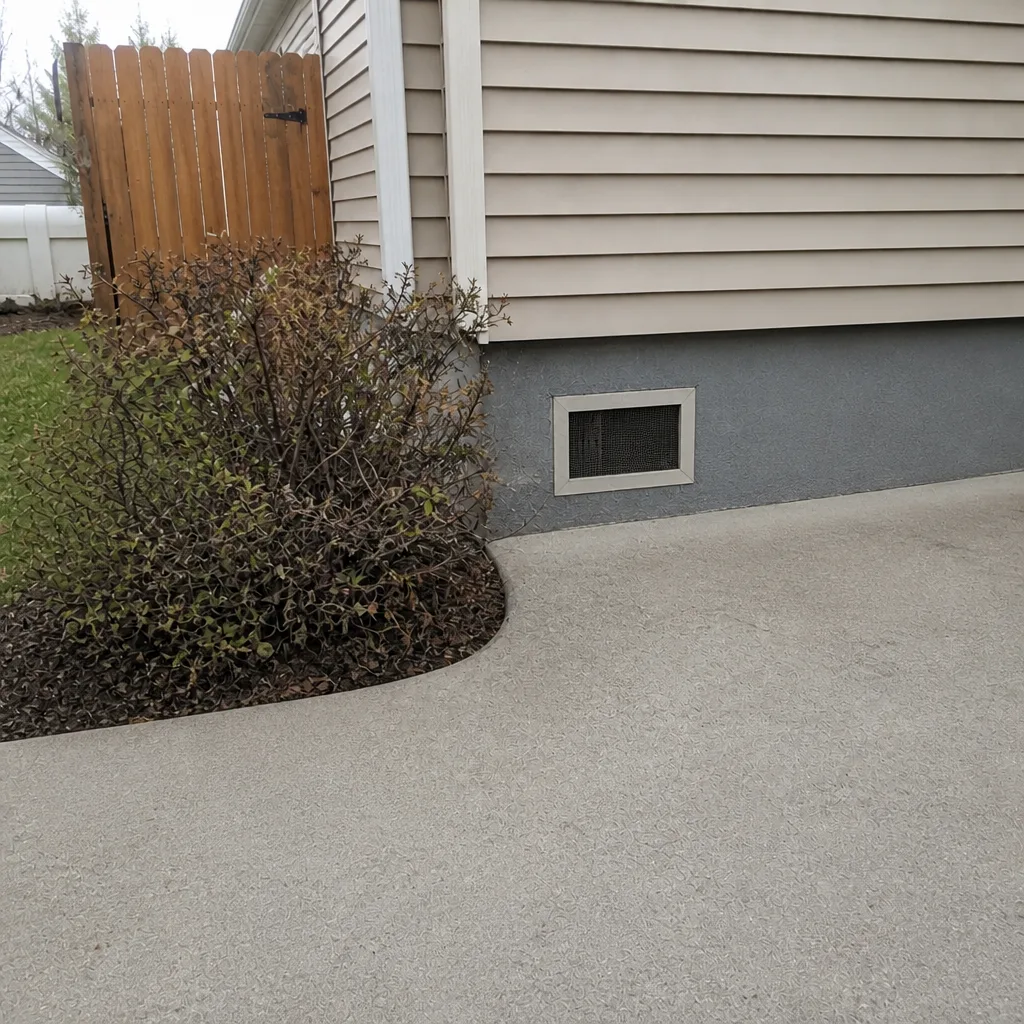 After
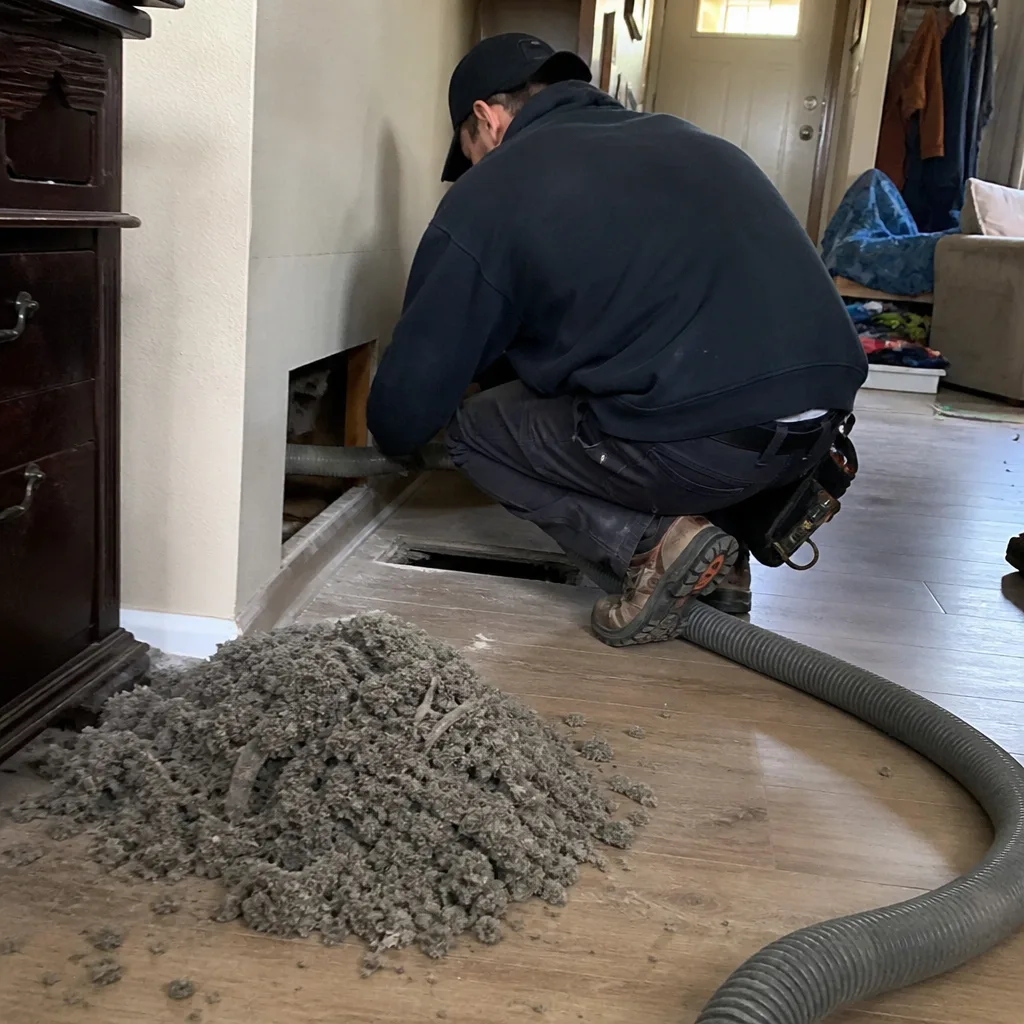 Before
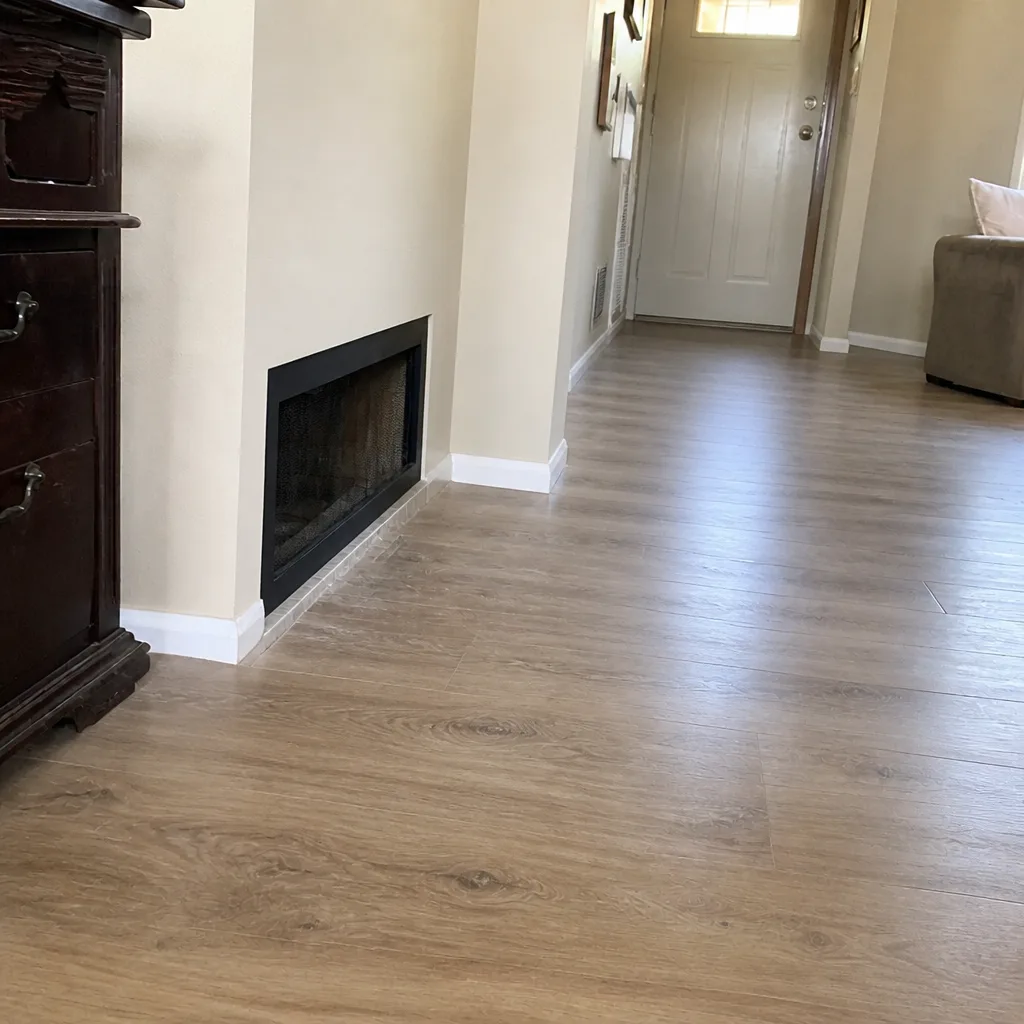 After
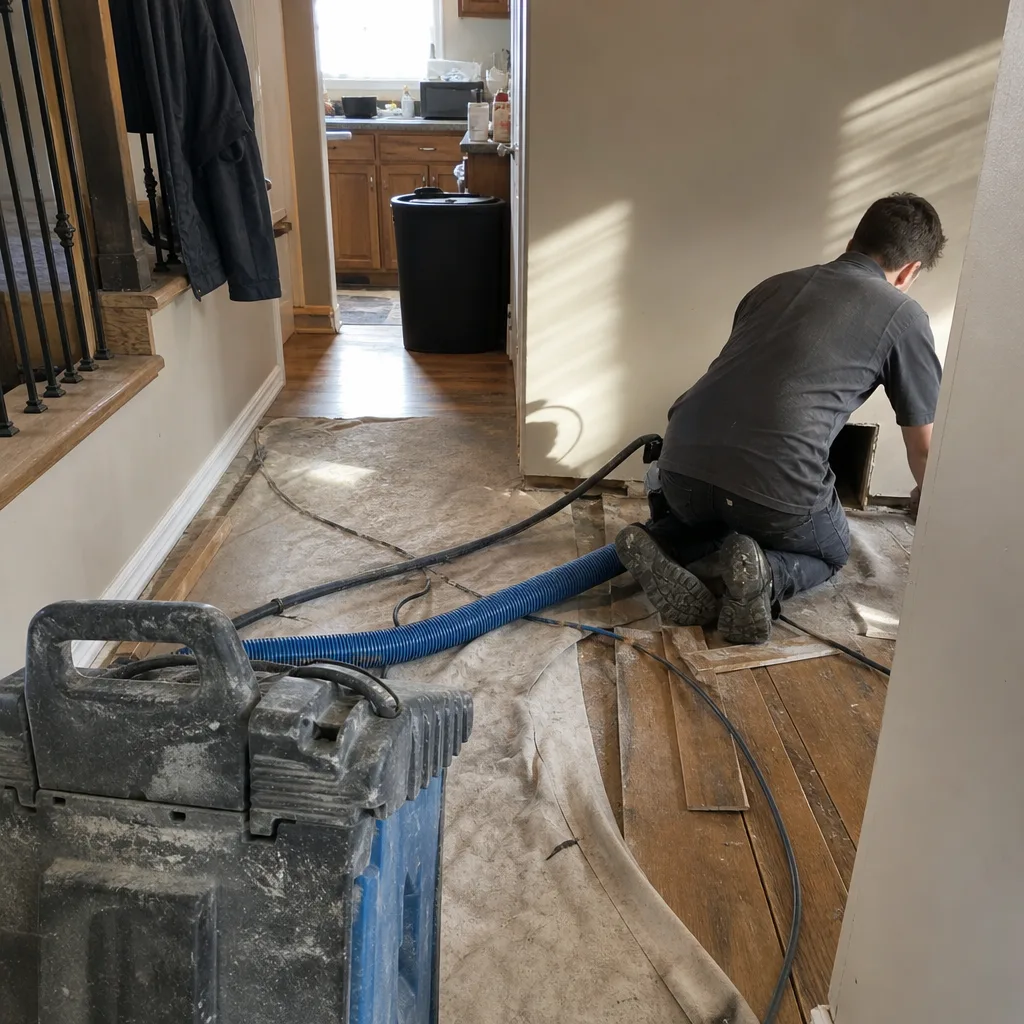 Before
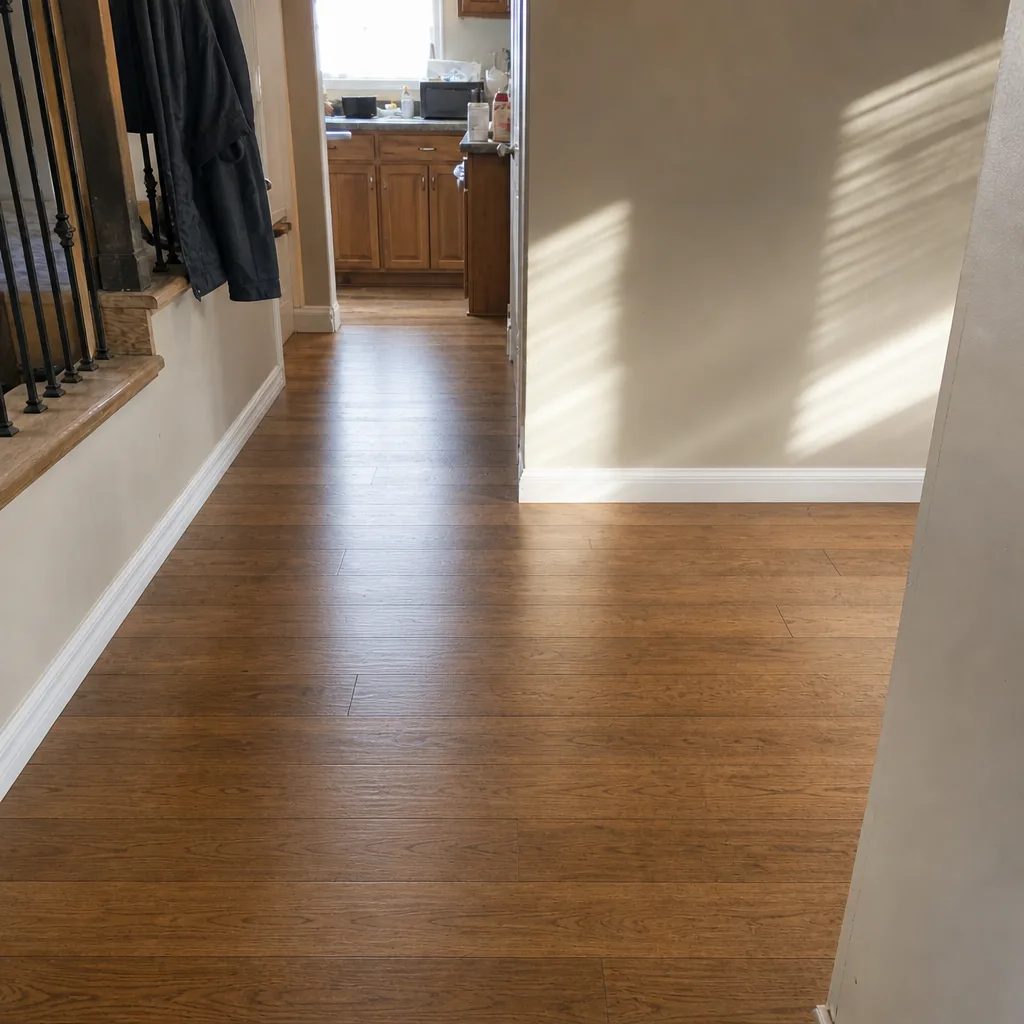 After
When to Call a Professional
Not every duct system needs cleaning on the same schedule, but some signals clearly point to a professional visit. If you’ve just finished a renovation and dust is appearing on surfaces days later, that’s a sign debris entered the system. If some rooms run cold in winter while others overheat, that’s often an airflow problem, and cleaning plus inspection can reveal whether duct repair is needed. If your HVAC system hasn’t been cleaned in several years and you’ve noticed more dust, stale air, or allergy symptoms indoors, it’s worth a proper inspection. And if the dryer is taking longer to dry clothes or the vent hasn’t been checked in years, that’s a safety issue, not a convenience one. Lockhart Air Duct Cleaning offers free estimates in Spokane Valley. Call (844) 352-9945.
Frequently Asked Questions
Duct cleaning in Spokane Valley typically runs on a flat per-system price, and the exact amount depends on the number of systems, accessibility, and whether repairs are needed. A written estimate sets the final number, and no honest company can give you a firm price over the phone without seeing the system. Be skeptical of headline coupons that turn into larger invoices once the technician arrives. Call (844) 352-9945 for a free estimate.
Often yes, but the reason is different from older homes. Newer construction frequently uses flex duct that’s easy to crush or kink during installation, which drops airflow to specific rooms. A proper inspection reveals whether that’s happening. Debris from construction may also have entered the system during the build. If you’re not sure, an inspection is cheaper than guessing.
Most homes in Spokane Valley benefit from an inspection every few years, and cleaning on a schedule that reflects the home, pets, and any recent renovation. A system that runs hard all winter and all summer accumulates more debris than one in a milder climate. A company that recommends cleaning without even inspecting isn’t giving you an honest schedule.
You ask for before-and-after photos of your own ducts, a plain-language explanation of what was found, and a written confirmation of the price before the work starts. Any company that hesitates to provide those is worth a second call elsewhere. That’s the standard we hold ourselves to.
Cheaper quotes usually skip the inspection, use consumer-grade equipment, or price per vent so fewer passes happen. Sometimes they’re bait pricing that grows once the technician is inside. Professional equipment like Rotobrush and Nikro costs more to run, and it does more. One flat price per system agreed before work starts is the honest arrangement.
If your Spokane Valley home is older than a couple of decades, often yes. Duct joints separate, flex sections crush, and boots come loose from the floor. Cleaning without repair leaves the underlying problem in place. A full-service specialist handles both in one visit, so you don’t need a second contractor.
The Bottom Line
The brand on the truck tells you almost nothing about the job inside your house. What matters is the equipment, the technician’s training, whether the company can repair what it finds, and whether it answers the phone when you need it. Those four things separate a real duct specialist from a single-service crew, every time. In Spokane Valley, where the housing stock runs from older homes with sheet metal ducts to newer builds with flex, that distinction shows up on day one. Ask the questions. Insist on one flat price per system in writing. Insist on before-and-after photos of your own system. Lockhart Air Duct Cleaning has served Spokane Valley since 2016, and we’re glad to answer any of those questions before you book. Call (844) 352-9945 for a free estimate. We answer 24/7. Fast dispatch from 7am to 7pm.
Written by the team at Lockhart Air Duct Cleaning, serving Spokane Valley since 2016.