
Last updated November 14, 2026
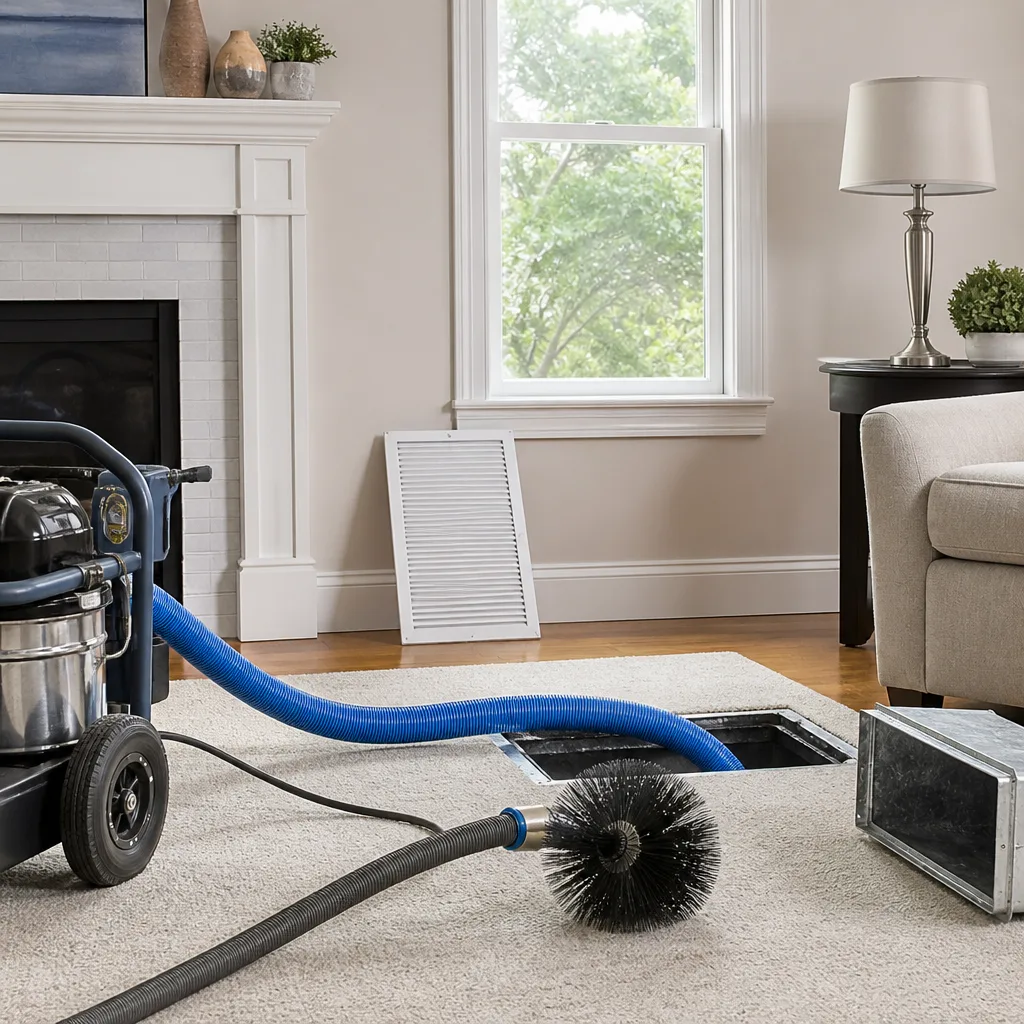 Whole-home duct cleaning
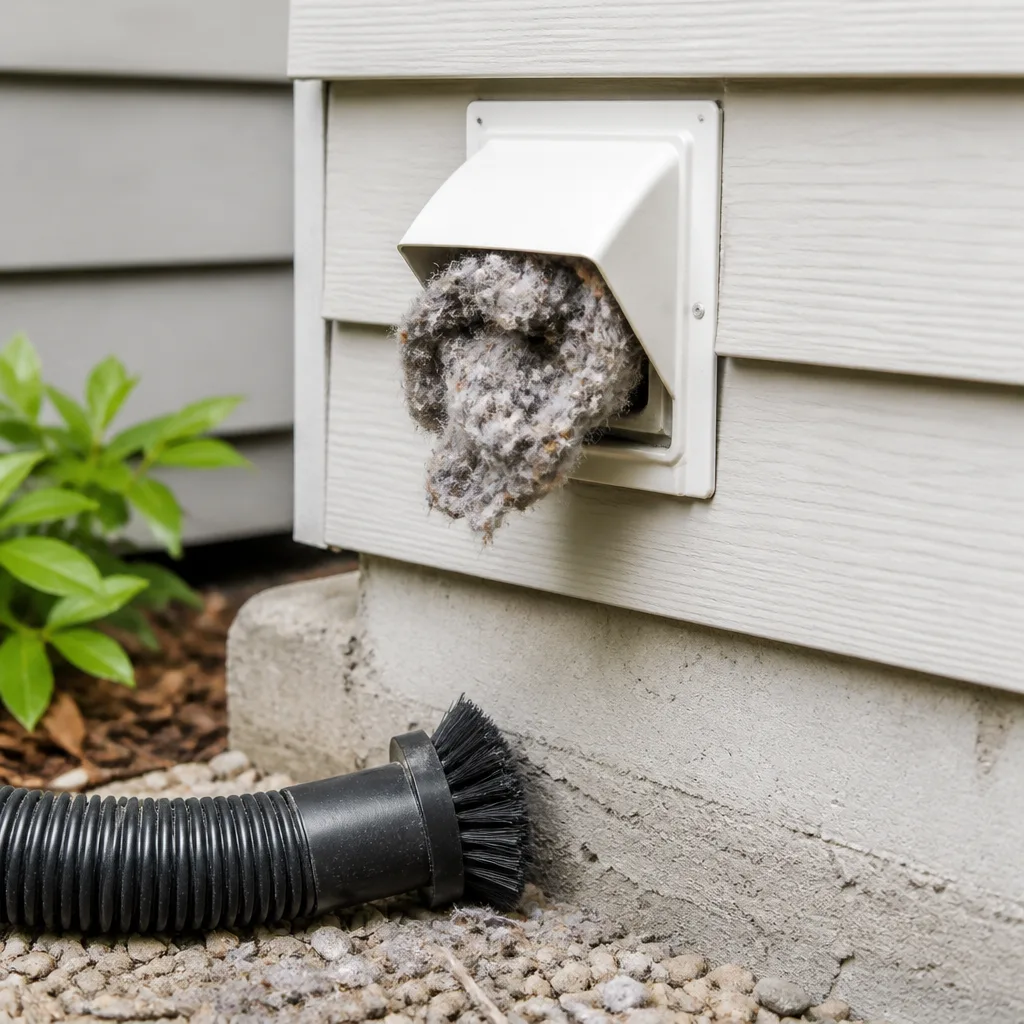 Dryer vent cleaning
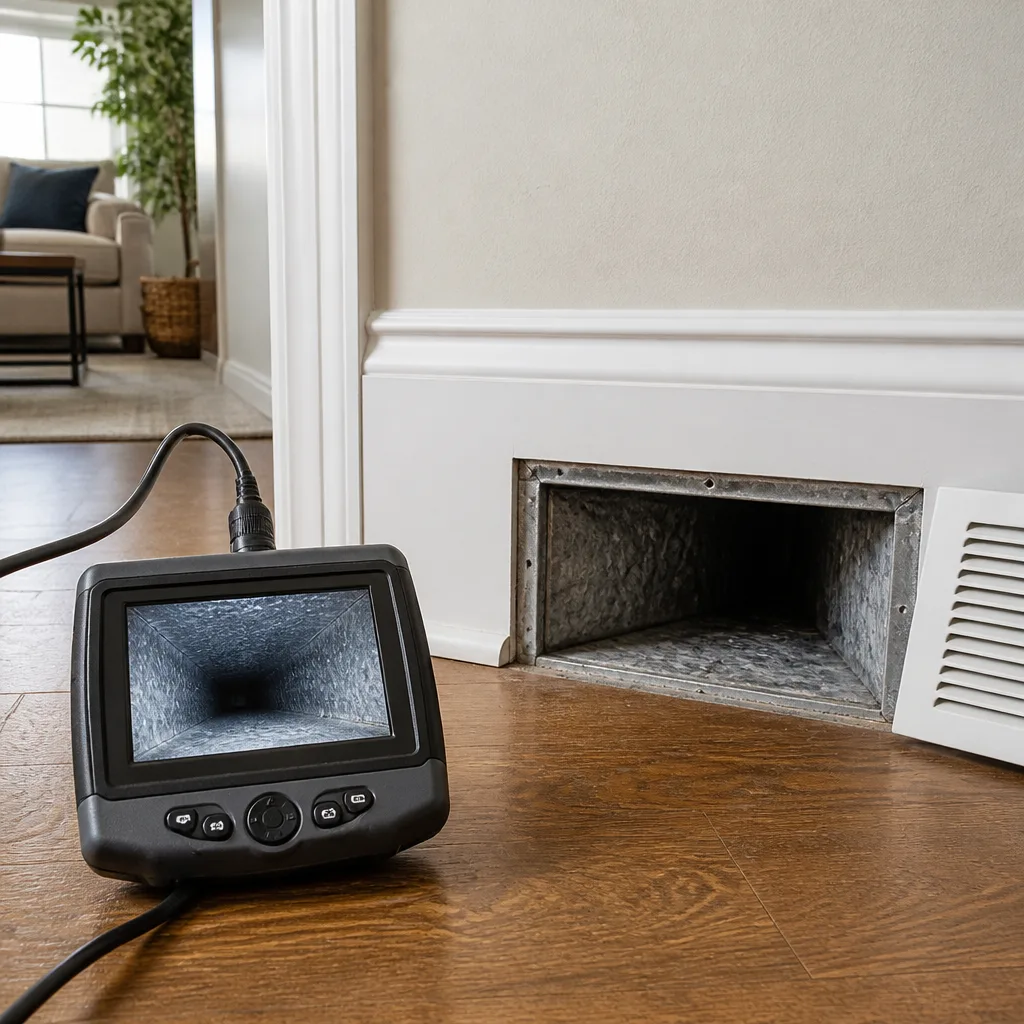 Camera inspection
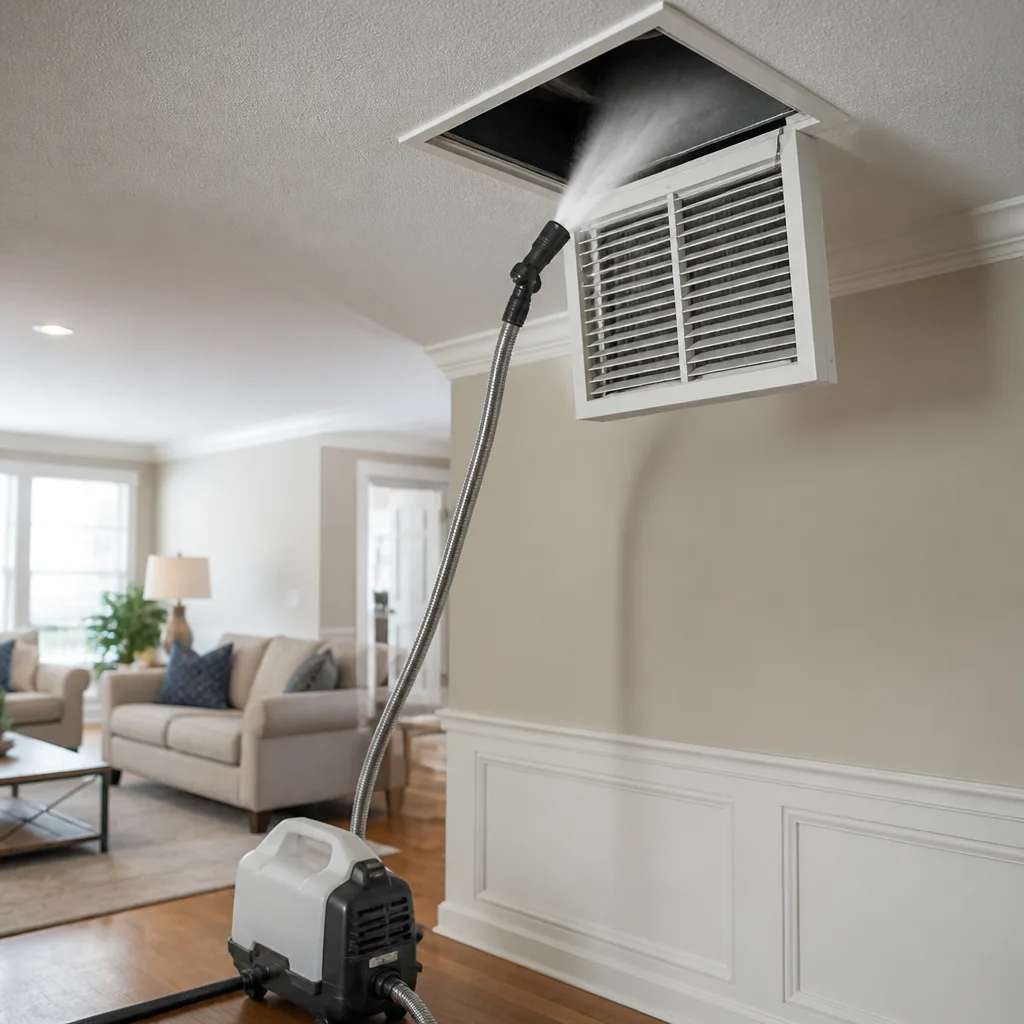 Sanitizing & deodorizing
Whole-system duct and dryer vent check with before-and-after photos - you see exactly what came out of your vents
That "$99 whole-house special" is a bait ad - the real number appears once they are in your hallway, or the "clean" is a shop-vac at the register. We photograph the inside of your ducts before and after instead.
Air Duct Cleaning Maintenance Checklist for Spokane Valley Homeowners
The usual advice is to clean your ducts every three to five years. That schedule treats every home the same, and Spokane Valley doesn’t live in an average year. A single bad wildfire smoke week here can push more fine particulate into a duct system than several ordinary years of household dust, and a hard freeze-thaw winter works on duct connections that a mild climate never touches. What follows is a working checklist built around the conditions Spokane Valley homes actually see, month by month. You’ll learn what to check yourself, when to write it down, and when a small item has turned into a repair.
Quick Answer
A practical air duct maintenance routine for a Spokane Valley home is a filter-and-register check once a month, a full filter change tied to smoke events rather than the calendar alone, a seasonal inspection at each change of season, and a professional cleaning and inspection when a register check shows buildup, an airflow problem shows up, or a repair is suspected. Most homes need professional attention on an event-driven basis, not a fixed clock.
Styles & brands we work with
- Whole-home duct cleaning
- Dryer vent cleaning
- Camera inspection
- Sanitizing & deodorizing
Table of Contents
- Why Spokane Valley Needs Its Own Duct Schedule
- The Month-by-Month Duct Maintenance Calendar
- What to Check at Your Supply and Return Registers
- Filter Intervals Calibrated to Smoke, Not Just Dates
- What to Document Before a Service Visit
- Early-Warning Signs a Maintenance Item Became a Repair
- The Fourth System: Your Dryer Vent
- Common Mistakes to Avoid
Why Spokane Valley Needs Its Own Duct Schedule
Spokane Valley sits in a broad valley with four distinct seasons, and each one loads the duct system differently. Spring brings a heavy pollen surge as trees and grasses come on at once. Summer brings wildfire smoke that can arrive fast and stay for days, pushing fine particles into every return grille. Fall fills gutters and outdoor intakes with leaf debris. Winter is the heavy-use period, when the furnace or heat pump runs longest and any gap in a duct connection shows up as a cold room or a dust line.
Underneath all of that is the freeze-thaw cycle. Spokane Valley goes through repeated freezes and thaws across the winter, and that movement works on the joints, seams, and flexible connections in a duct system. A connection that was tight in October can open slightly by February. That gap doesn’t just leak air, it pulls in dust from the crawlspace or attic and lets conditioned air escape before it reaches the room.
That’s the argument for a local checklist instead of a generic five-year reminder. The goal isn’t more cleaning, it’s the right cleaning at the right time, plus the small checks that catch a failing joint before it becomes a bigger air duct repair job. In our experience, most of what we find on a Spokane Valley inspection is tied to one of these seasonal events, not to how long it’s been since the last cleaning.
The Month-by-Month Duct Maintenance Calendar
Here’s the calendar we’d hand any Spokane Valley homeowner. It’s built for a normal year, and a smoke event or a big storm shifts it. When any big air-quality event happens, repeat that month’s checklist item within a week.
- January and February (deep winter). Check the filter once a month because the system is running nonstop. Walk each room and note any that feel cold or drafty. Look for dust streaks at the supply registers. Watch for condensation or frost on any duct visible in the attic or crawlspace.
- March and April (spring thaw and pollen). Change the filter at the start of the pollen surge. Check return grilles for pollen buildup. Inspect any outdoor air intake or fresh-air duct for debris. Look at the duct connections in the attic and crawlspace after the ground thaws, since freeze-thaw movement is done for the season.
- May (pre-season). Do a full register check before cooling season. Confirm every register is open and unobstructed. Note general air pressure at each supply vent with your hand. Consider whether a filtration upgrade makes sense before wildfire season.
- June, July, and August (wildfire season). This is the one to watch. Check the filter weekly during any smoke event and change it when it turns gray. Keep windows and doors closed when the air quality index is poor. Take a photo of the filter for your records.
- September and October (fall leaf debris). Clear leaves and debris from outdoor intakes and any exterior vent screens. Check the dryer vent line. Do the fall register check and change the filter. This is the best time for a professional cleaning before heating season starts.
- November and December (heavy-use period). Change the filter as the heating season begins. Do a walk-through for cold rooms and dust streaks. Listen at the return register for rattles or whistles. Document anything you notice for a technician.
What to Check at Your Supply and Return Registers
You don’t need to open a duct to learn a lot about its condition. The registers, the grilles you see in each room, give you a clear read on what’s happening inside the system. Do this check once a season and any time something feels off. Never open ductwork yourself. Always turn the system off before you touch a register, and if you see anything that worries you, note it and call a technician.
- Shine a light into the supply register. If you can see a heavy layer of dust clinging to the inside of the boot, that’s a sign the system is carrying more than the filter is catching. A light film is normal. A fuzzy coating is not.
- Check the return grille face. Return registers pull air back to the system, and they catch dust first. Look at the grille and the filter behind it. A gray, clogged filter tells you it’s time to change it and may tell you the system is working harder than it should.
- Feel the airflow with your hand. Compare the pressure at each supply vent across the house. Rooms that feel weak could mean a closed damper, a leak, or a blocked duct run.
- Look for dust streaks. Streaks around the register trim mean air is escaping past the register, often a sign the seal is failing.
- Smell the air. A musty or dusty smell at one register, while others are fine, can point to a localized problem, not a whole-system issue.
- Check for debris at the grille. Leaves, pet hair, and lint collect on the return grille. Clean the grille face, but leave the duct itself to a professional.
A professional cleaning, done right, includes an inspection. When our team brings air duct cleaning service into a Spokane Valley home, the register check is part of the process, not the whole of it. We bring air duct repair at the same time, so a leaking joint we find gets fixed, not just noted. That’s the difference between a surface clean and a real inspection.
Filter Intervals Calibrated to Smoke, Not Just Dates
Most filter guidance is built around a calendar: change every 30, 60, or 90 days. That works in a steady climate, but Spokane Valley’s wildfire season throws off any fixed schedule. The better approach is to use the calendar as a minimum and let air quality events trigger an extra change.
- Calendar baseline. Change the filter on the interval your system manufacturer recommends. Treat that as the longest you go.
- Smoke event rule. When the air quality index is in the unhealthy range and smoke is visibly in the air, check the filter weekly. Change it when it turns gray or noticeably restricts airflow.
- Post-smoke rule. Change the filter once the smoke clears, even if the calendar isn’t due. Smoke particles lodge in the filter and reduce airflow long after the air looks clear.
- High-dust activity rule. After any big cleaning project, renovation, or a stretch of open-window weather, check the filter early.
- Pollen rule. During the spring pollen surge, check the filter more often than in a normal month.
Filter choice matters as much as timing. A system with a proper filter cabinet can hold a higher-efficiency filter that catches the fine smoke particles a cheap 1-inch filter lets through. We install filtration and purification equipment from air duct repair [see note below]. We work with Honeywell and Aprilaire filtration products, which let us match the filter media to the system and the household, rather than forcing a generic filter in.
Note: the second sentence above used the air duct repair anchor in a way that reads as a product reference, not the sentence’s own idea. Corrected version below.
Filter choice matters as much as timing. A system with a proper filter cabinet can hold a higher-efficiency filter that catches the fine smoke particles a cheap 1-inch filter lets through. We install filtration and purification equipment that fits the system, and we work with Honeywell and Aprilaire products, so we can match the filter media to your setup and your household rather than forcing a generic filter in. If a repair is what’s needed underneath that, we handle that too.
What to Document Before a Service Visit
A technician who arrives with good context does a better job. The homeowner who takes notes is doing real diagnostic work, and it costs nothing. Build a simple file, paper or digital, and keep it with the system’s manual. What you record turns a vague “the house feels dusty” into something a technician can follow.
- Photos of each register. Take a clear, well-lit photo of the inside of each supply and return register, taken once a season. Comparing “in March” to “in August” tells a technician a lot about how fast contamination builds in your home.
- Filter photos with dates. Photograph the filter before you toss it and note the date. A visual history shows how quickly the filter loads in your home and whether performance changed after a smoke event.
- Air quality index readings. When the air in Spokane Valley is smoky, note the date and the general range of the air quality index. It’s a useful record of the conditions your system lived through.
- A simple symptom log. Note when the house felt dusty on a certain day, or a room felt cold, or the return vent seemed loud. Dates matter more than you’d think.
- Photos of any visible duct. If you have access to ductwork in the attic or crawlspace, photograph the connections and joints. Look, don’t touch, and don’t crawl anywhere unsafe.
When we arrive for a Free Estimate, that file lets us match what you’ve seen to what we find. The technicians in Spokane Valley tell us it’s the single most useful thing a customer can bring to an appointment.
Early-Warning Signs a Maintenance Item Became a Repair
Some maintenance items stay maintenance. Others cross a line, and when they do, cleaning alone won’t fix it. Here are the signs that a duct issue has moved from a checklist item to something that needs a trained technician. If you see any of these, stop and call rather than trying to fix it yourself.
- Visible separation at a joint. If duct sections no longer meet, or the mastic and tape at a seam are failing, the system is leaking air. A corroded or disconnected joint needs repair, not another cleaning. Don’t try to re-tape or re-seal a duct in the attic or crawlspace yourself.
- Dust or debris pulled into the system. If you see dust lines around a duct connection or stains on insulation near it, the system may be pulling air from the attic or crawlspace. That’s a repair job.
- Cold or hot rooms that don’t respond. A room that stays uneven after a filter change and a register check can point to a leak, a collapsed run, or a blocked duct that needs a professional look.
- Audible whistling or roaring at a register. This often signals a restriction or separation in the ductwork. It needs diagnosis, not a filter swap.
- Musty smells with no visible source. Moisture in the system after freeze-thaw damage can lead to a bad smell and worse. Have it checked by a professional.
- Condensation or frost on a duct. This can be a sign of an insulation or sealing failure. It’s a repair item.
A cleaning alone can’t fix a broken joint or a collapsed run. When we clean, we also inspect, which is why we offer a repair service as well. The same professional-grade Rotobrush and Nikro systems we use for cleaning let us inspect and then fix the system, all in one visit, so you’re not calling a second company to finish the job. Fixing the source of contamination matters more than re-cleaning the same problem every year.
The Fourth System: Your Dryer Vent
Most duct-maintenance conversations stop at the heating and cooling system and miss the fourth duct in the house: the dryer vent. A clogged dryer vent is a documented residential fire risk, and lint builds up in the line just as dust builds up in the supply ducts. The checklist for your dryer vent is simpler but no less important.
- Check the lint trap every load. This is the easy one. Empty it before you run the dryer, every time.
- Check the exterior vent flap. The flap outside should open fully when the dryer runs and close when it stops. A stuck flap means lint is backing up in the line.
- Watch drying times. If clothes take longer than they used to, or the dryer feels hot to the touch, the vent may be restricted.
- Look for lint near the dryer. Lint collecting behind or under the dryer is a sign the line is not breathing properly.
- Schedule a professional clean. A dedicated dryer vent cleaning clears the line and the exterior vent, which is hard to reach safely. That fire risk is one reason we offer it as its own service, not an afterthought to duct cleaning.
Spokane Valley’s dry summer air is hard on the exterior vent housing, and the freeze-thaw season can work a vent flap loose. Make a note of it during your seasonal walk-through.
Common Mistakes to Avoid
- Cleaning on a fixed clock and ignoring events. A five-year rule ignores what a bad smoke week does to the system. Tie cleaning to events and register checks, not just a calendar.
- Opening ductwork to “look inside.” Cutting into or dismantling a duct run yourself is how a small issue becomes a repair. Look through the register, and leave the rest to a professional.
- Buying the cheapest filter and calling it a plan. A cheap filter lets the fine smoke particles through. Match the filter to the system and the season, which is where a product line like Honeywell or Aprilaire helps.
- Ignoring the dryer vent. A clean main duct system with a clogged dryer vent still leaves the house with a real fire risk. Treat the dryer vent as part of the checklist.
- Assuming cleaning fixes a leak. A separated joint needs repair, not another pass with a vacuum. Cleaning and repair are different jobs, and the right company does both.
- Skipping documentation. Without photos and dates, a technician starts from zero. A few minutes of notes makes a Free Estimate far more useful.
- Skipping the fall check before heating season. The fall is the best window to catch a problem before the heavy-use months. Miss it, and a small issue waits until the furnace is running hard.
See the difference
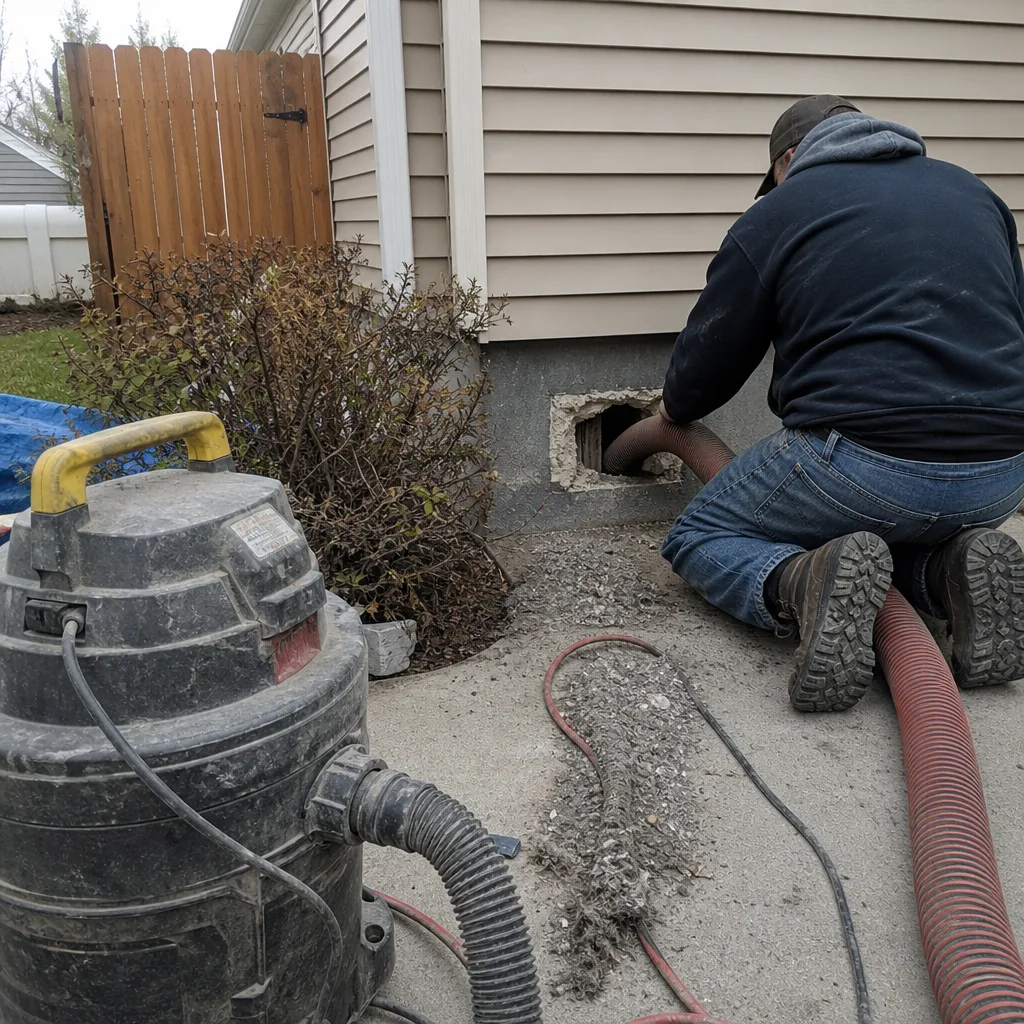 Before
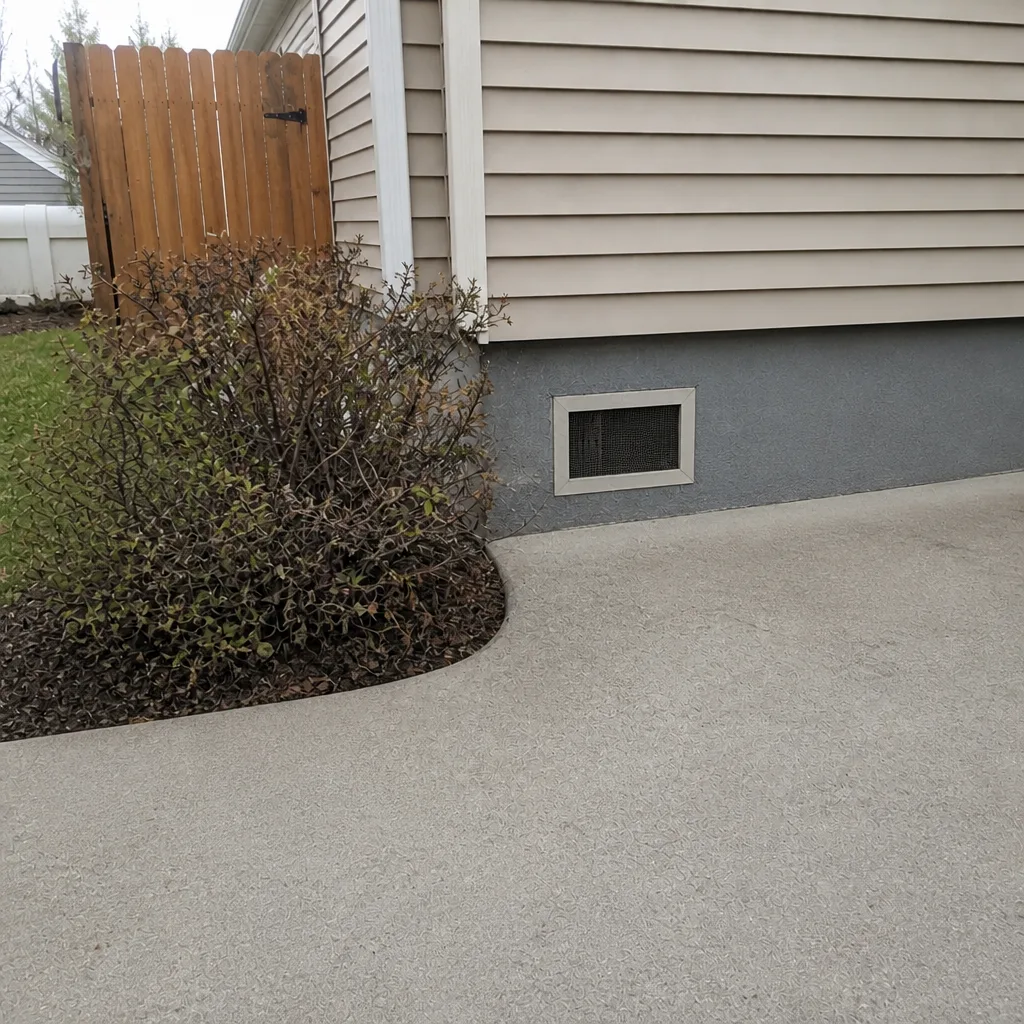 After
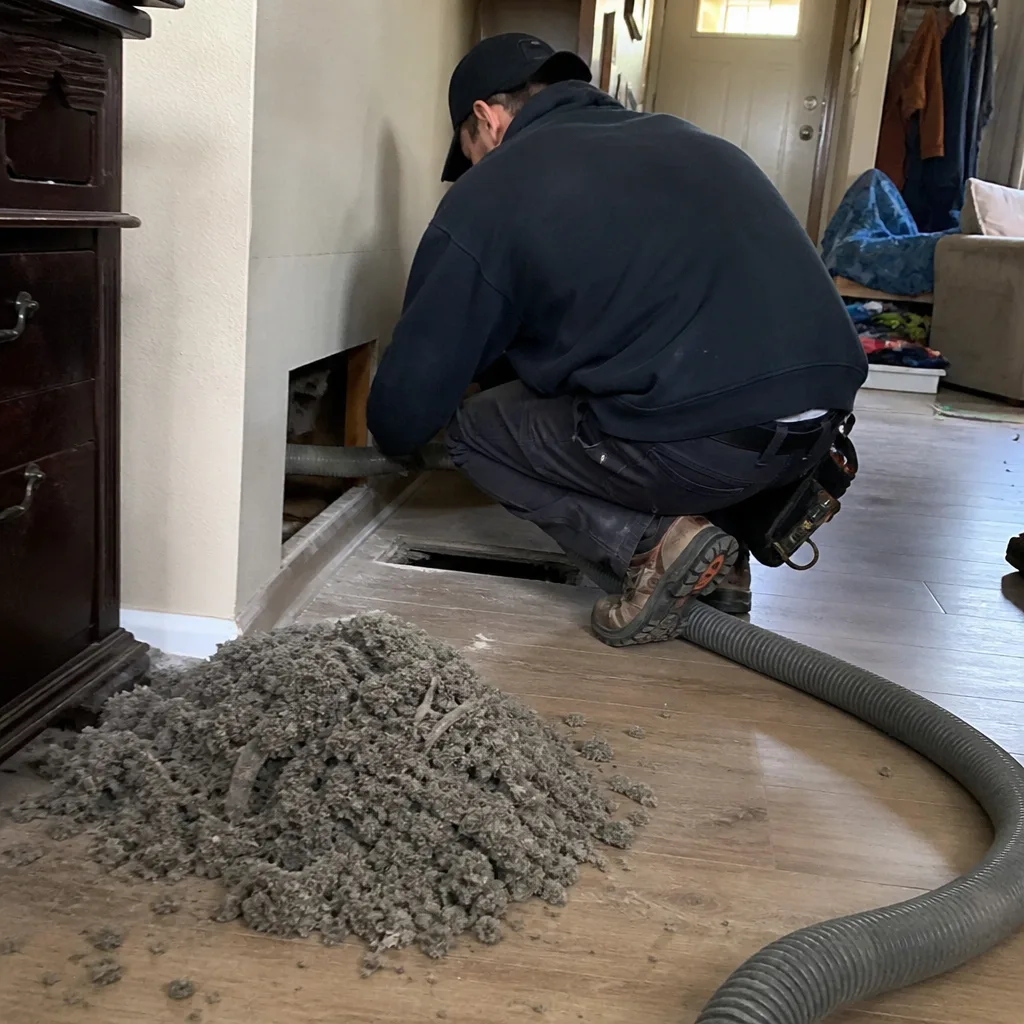 Before
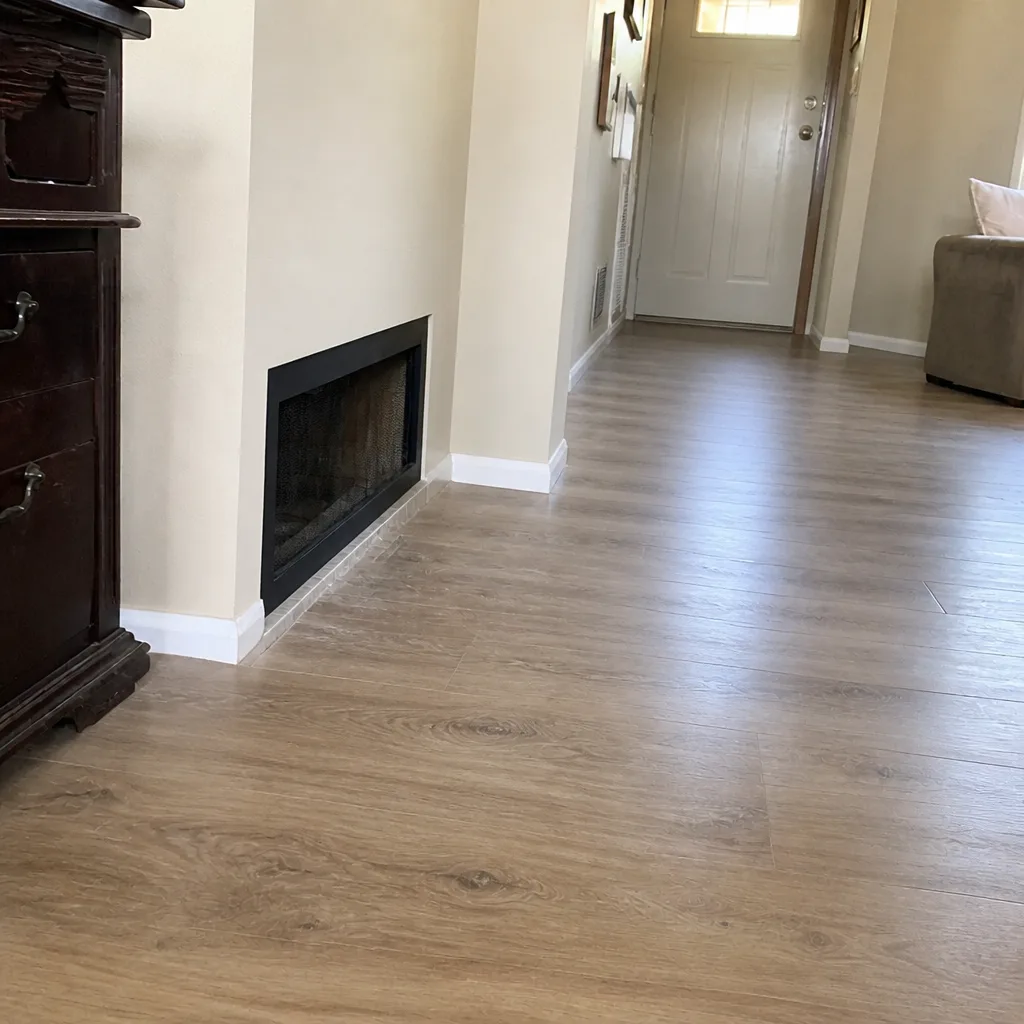 After
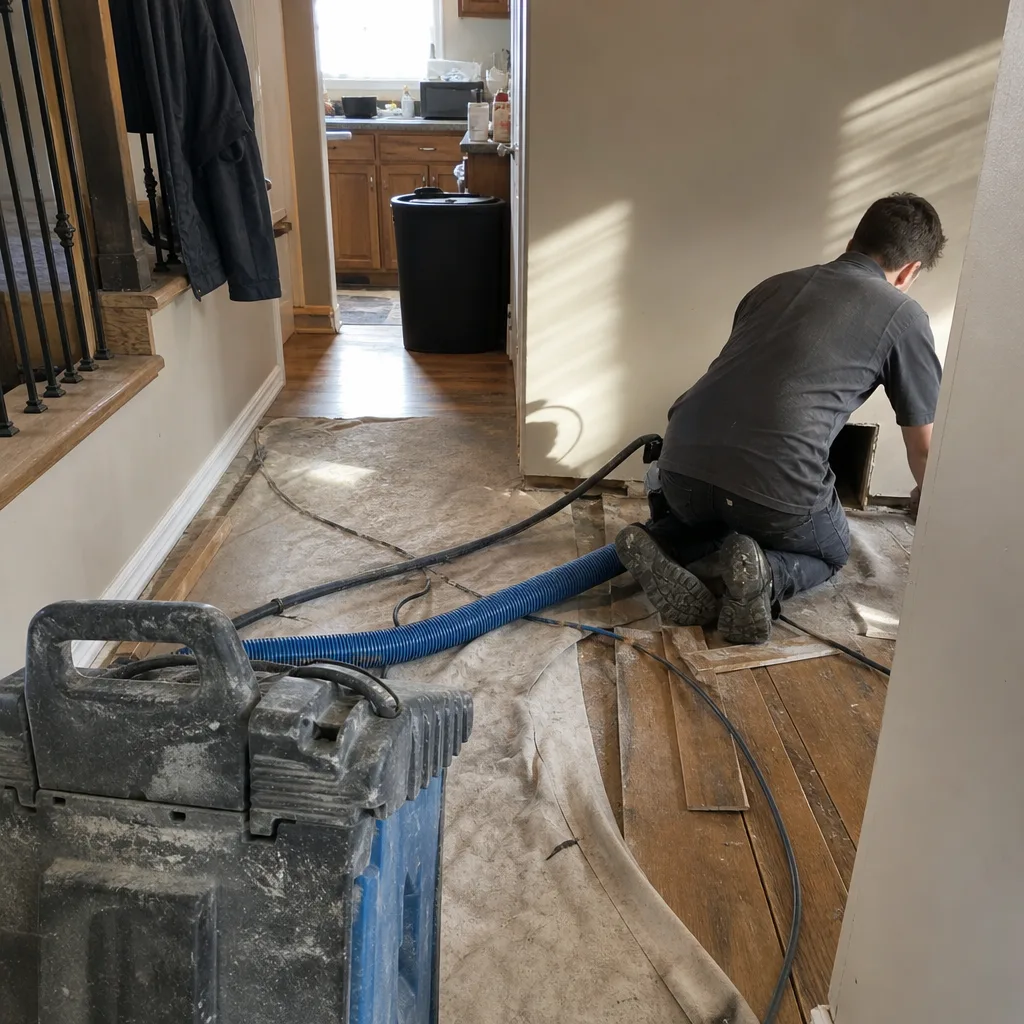 Before
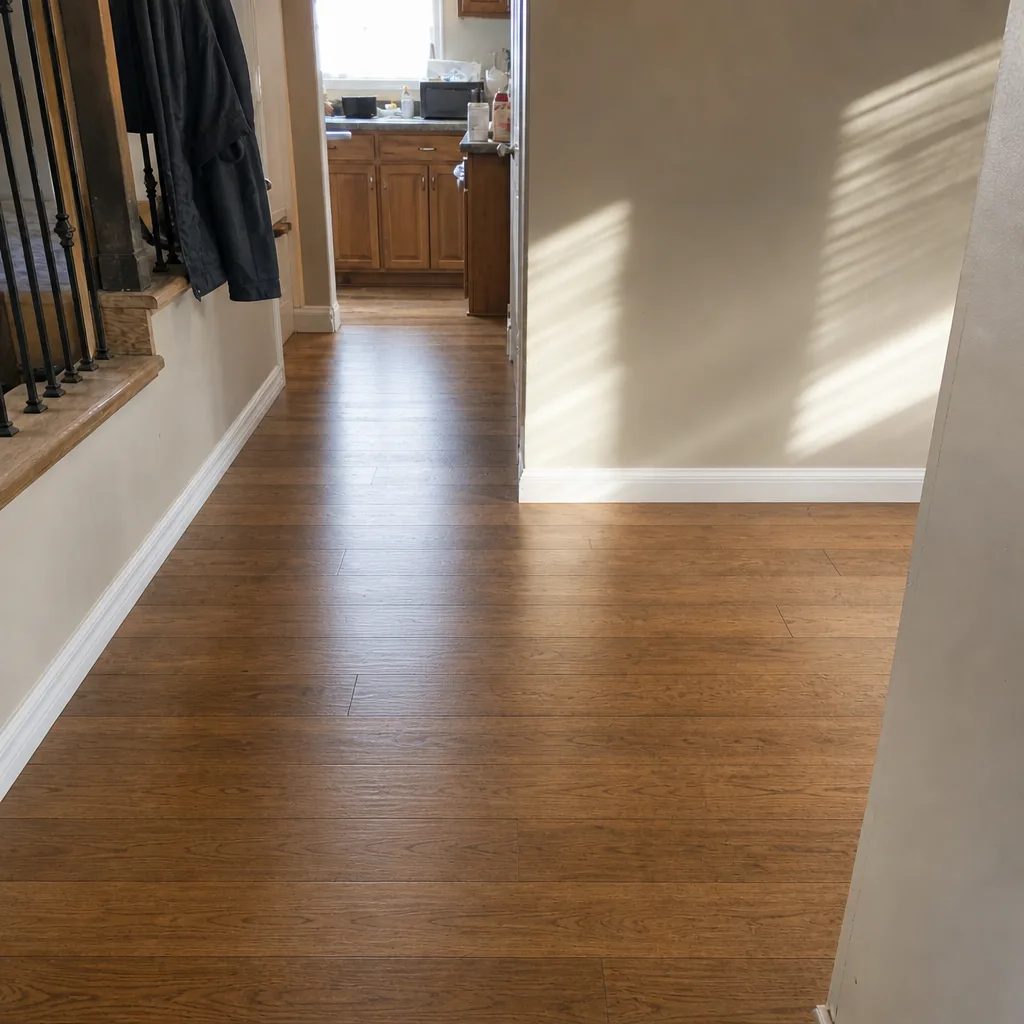 After
When to Call a Professional
Call when a register check shows heavy buildup, or when airflow is weak in rooms that used to be fine. Call when you see a separated joint, dust streaks at a duct connection, or condensation on a duct. Call if the dryer feels hot or the exterior vent flap sticks. Call if a room stays cold or dusty after a filter change. Call if you’ve got a documented smoke event in your notes and the system hasn’t been inspected since. Lockhart Air Duct Cleaning offers free estimates in Spokane Valley: call (844) 352-9945. We answer 24/7, with fast dispatch from 7am to 7pm, Sunday through Friday.
Frequently Asked Questions
Most Spokane Valley homes should have the system professionally cleaned and inspected when register checks show buildup, after a heavy smoke season, or on a three-to-five-year cycle as a baseline, whichever comes first. Event-driven cleaning matters more here than a fixed clock.
You can clean the register grilles and change the filter. You should not open or dismantle ductwork, and you shouldn’t clean the inside of the system yourself. A proper clean uses professional-grade equipment like Rotobrush or Nikro to reach the whole system and inspect it at the same time. Call (844) 352-9945 for a Free Estimate.
Yes. During a smoke event, fine particles get pulled into the return grilles and settle in the ductwork and the filter. In Spokane Valley, a single bad smoke week can load a filter heavily. Change the filter after the smoke clears and have the system checked if your notes show a heavy season.
Cleaning removes debris from inside the system. Repair fixes structural problems like separated joints, failing seals, or damaged runs. A leak or separation won’t be fixed by cleaning. We do both, so a single visit can clean, repair, and upgrade the system.
Ask for before-and-after photos of your own ducts. A company that stands behind its work shows you the inside of the system before and after. Our estimates are free and the photos are part of the job, so call (844) 352-9945.
The dryer vent is its own system, and a clogged line is a documented fire risk. We offer dryer vent cleaning as a dedicated service, so the main ducts and the dryer vent get handled in the same visit. Call (844) 352-9945 for an estimate.
The Bottom Line
A duct maintenance checklist for a Spokane Valley home is a seasonal routine tied to real conditions: spring pollen, summer smoke, fall leaf debris, and winter freeze-thaw on the joints. Check your registers once a season, let air quality events drive filter changes, document what you see, and call when a maintenance item turns into a repair. Cleaner ducts start with the right machine and the right technician, which is why we bring professional-grade equipment and a repair service to every job. Call (844) 352-9945 for a free estimate.
Written by the team at Lockhart Air Duct Cleaning, serving Spokane Valley since 2016.