
Last updated November 14, 2026
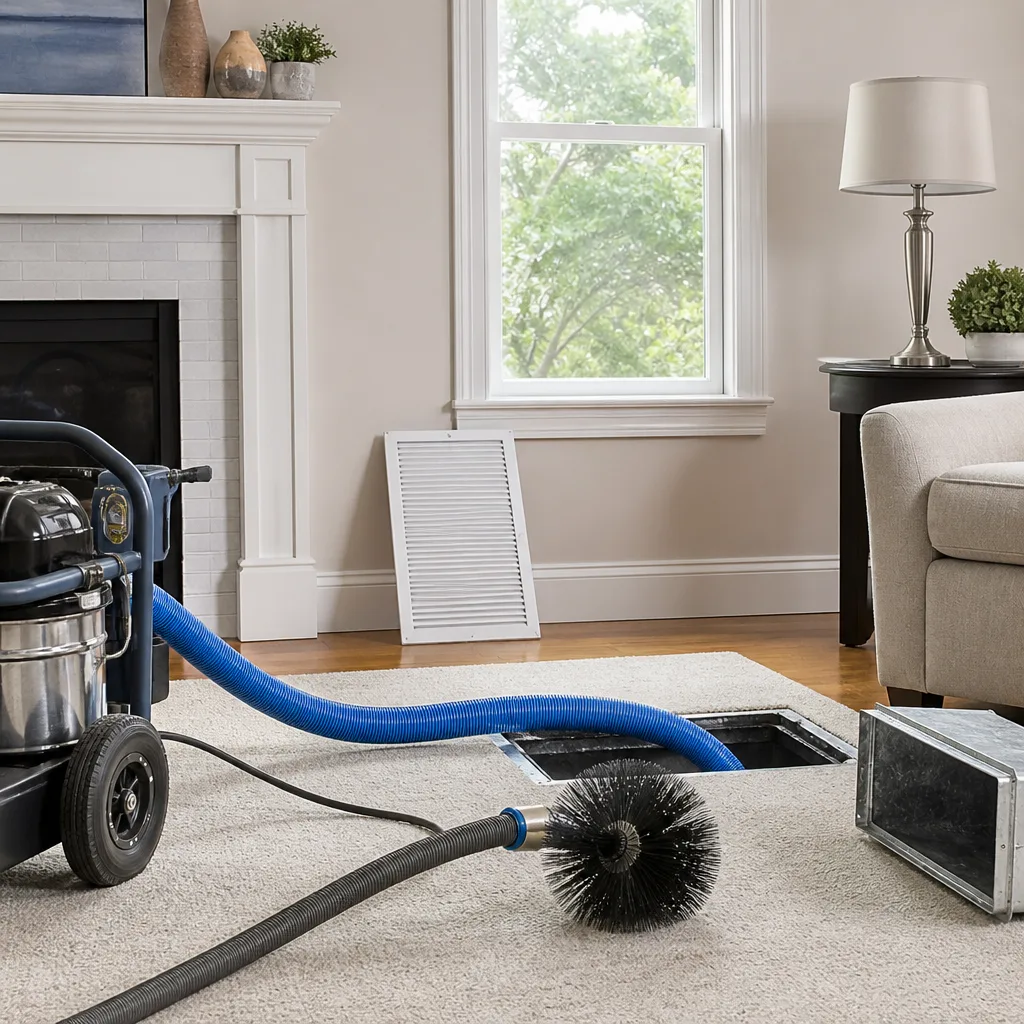 Whole-home duct cleaning
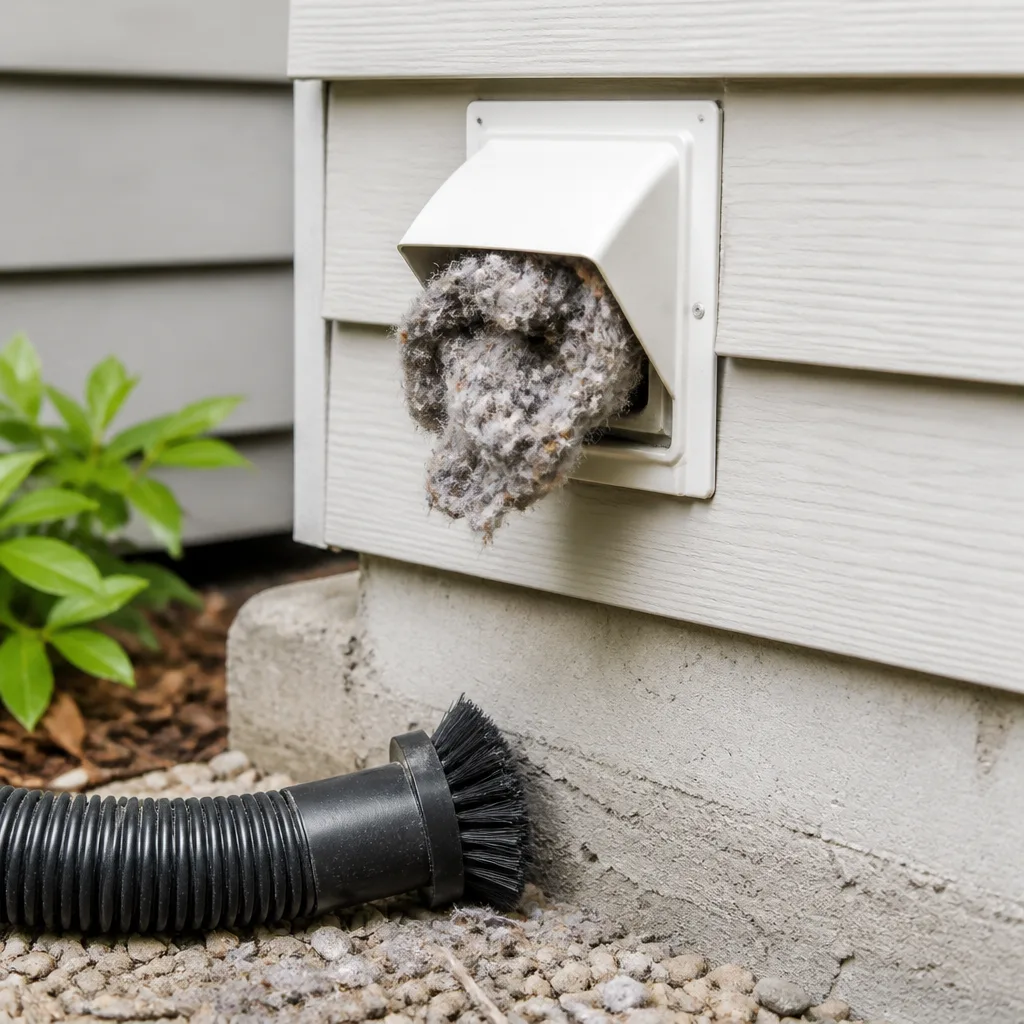 Dryer vent cleaning
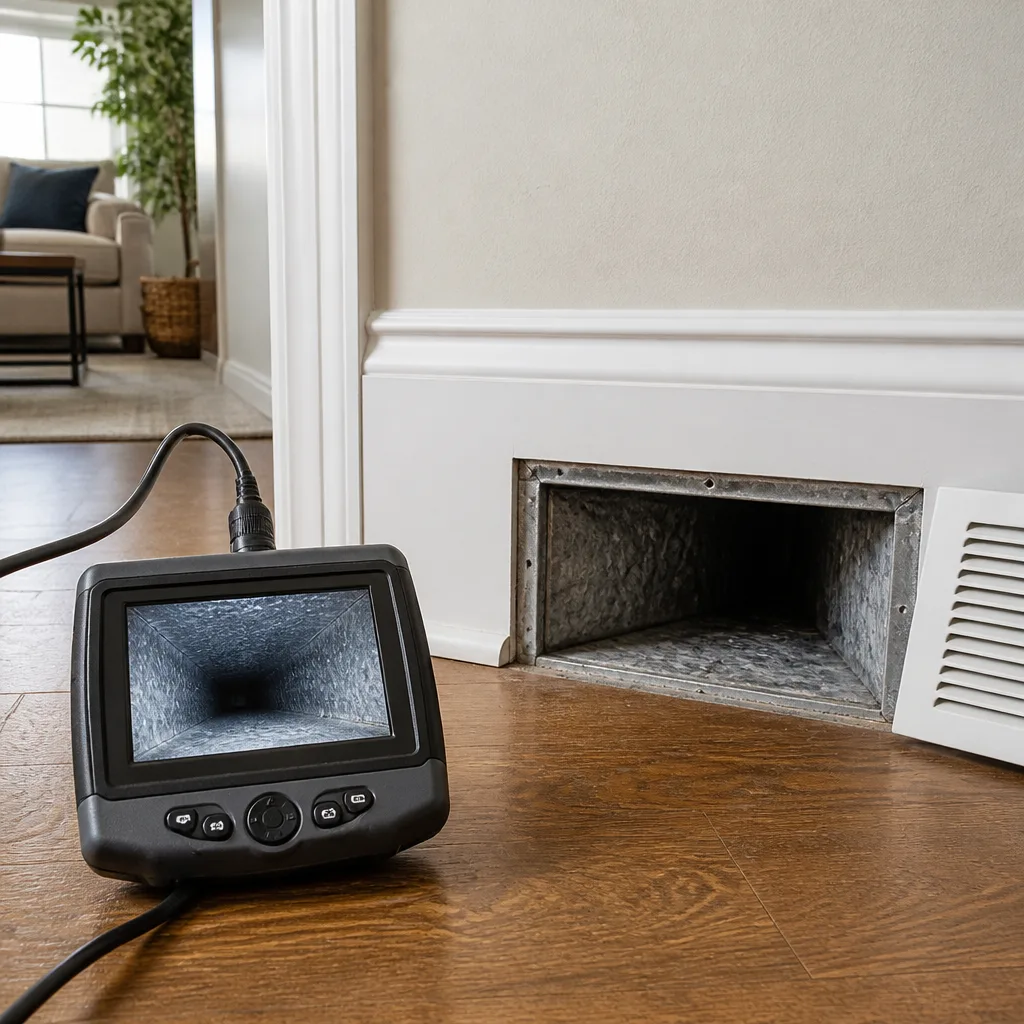 Camera inspection
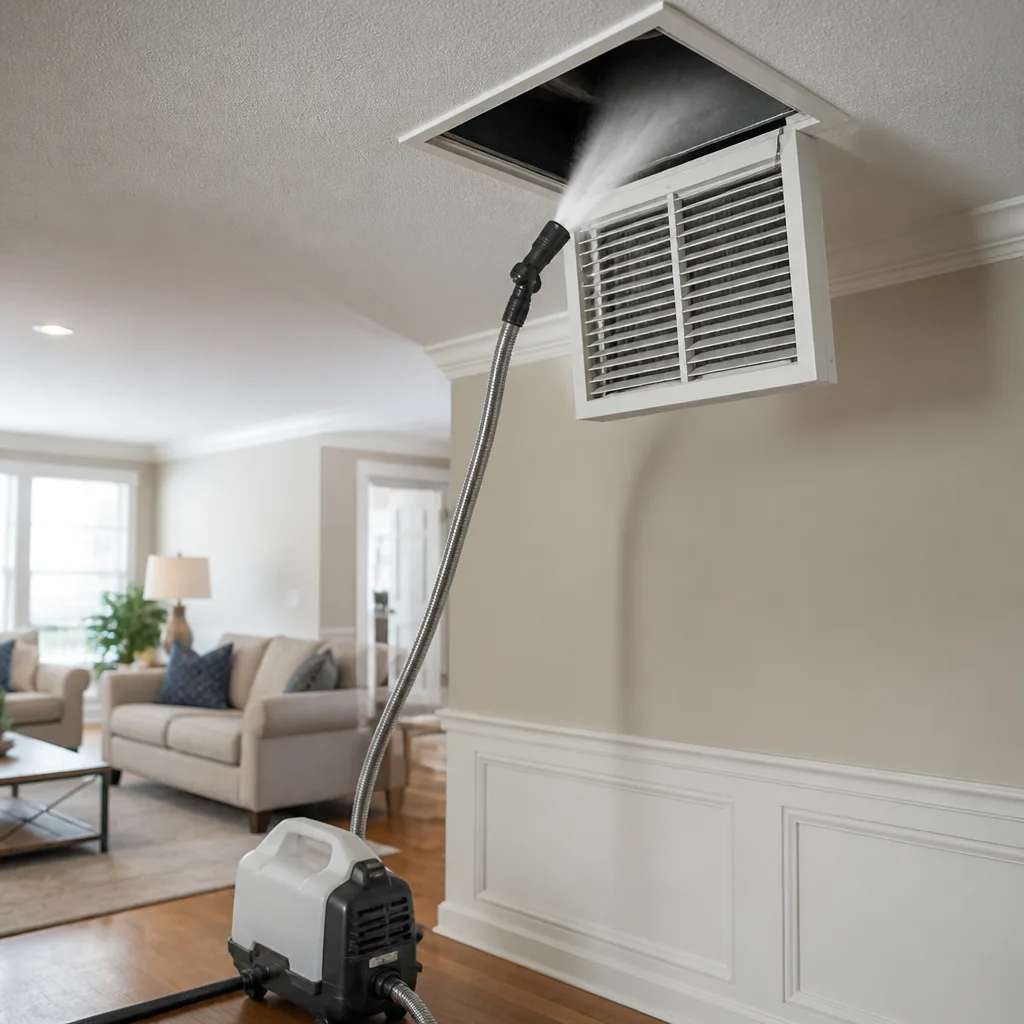 Sanitizing & deodorizing
Whole-system duct and dryer vent check with before-and-after photos - you see exactly what came out of your vents
That "$99 whole-house special" is a bait ad - the real number appears once they are in your hallway, or the "clean" is a shop-vac at the register. We photograph the inside of your ducts before and after instead.
Air Duct Cleaning Maintenance Schedule: What to Do and When
Most homeowners treat duct cleaning like a fixed interval: clean every three to five years and forget about it. That rule breaks down the moment you look at the variables. The EPA’s widely quoted “clean as needed” guidance came out of an era before wildfire smoke settled into Eastern Washington every August, so a rule written for a 1990s air quality environment doesn’t fit a 2020s reality. The truth is that two houses on the same street in Spokane Valley can need wildly different cleaning intervals. One has a golden retriever and just finished a kitchen remodel; the other has no pets and a well-sealed system. This guide walks you through the four variables that actually drive debris buildup, how duct construction changes the math, what filter maintenance buys you, and how to build a maintenance profile specific to your home so you stop guessing.
Quick Answer
Most Spokane Valley homes do well with a professional air duct cleaning every three to five years, but that’s a starting point, not a fixed rule. A house with pets, recent renovations, an allergy sufferer, or exposure to seasonal wildfire smoke often lands closer to every two to three years. Homes with all-metal ductwork and no pets can stretch to five or six. The right interval is built from your home’s specific profile, and a professional inspection confirms it.
Styles & brands we work with
- Whole-home duct cleaning
- Dryer vent cleaning
- Camera inspection
- Sanitizing & deodorizing
Table of Contents
- Why the “Clean Every 3 to 5 Years” Rule Fails
- The Four Variables That Set Your Interval
- Sheet Metal vs. Flex Duct: Why Construction Type Matters
- Filter Maintenance: The In-Between Task That Changes Everything
- Annual Visual Inspection: What to Check Yourself vs. What Needs a Pro
- Documenting Your System After Each Cleaning
- A Year-Round Maintenance Calendar for Spokane Valley
- Dryer Vent Cleaning: The Timer You Shouldn’t Ignore
Why the “Clean Every 3 to 5 Years” Rule Fails
Generic guidance has its place. It’s a reasonable starting point when you have no other information. But the number “three to five years” was built for an average home in an average climate, and Spokane Valley doesn’t fit the average on any axis. We sit in a valley bowl that traps smoke from regional wildfires for weeks at a stretch in late summer, and our winters mean the system runs continuously for months on end. Both factors load the ductwork faster than a milder climate would.
There’s also a construction variable that gets overlooked. Two houses of the same square footage can have fundamentally different duct systems: one all sheet metal, the other largely flex. Flex duct has a corrugated interior that traps particulates at a measurably higher rate than smooth metal. Combine flex with pets and a summer of smoke and the cleaning interval compresses fast.
And there’s the occupant factor. A household with an asthmatic child or a family member with seasonal allergies needs more than the average. The air in the ducts cycles back through the living space, so what’s settled in the ducts doesn’t stay there indefinitely. That’s the practical reason to set your own interval instead of following the industry average.
What we tell homeowners across the region, including those we serve through air duct cleaning, is simple: use the generic rule to remember to schedule, then use a professional inspection to confirm what your system actually needs. The inspection costs less than a premature cleaning, and it prevents the much bigger problem of duct contamination going unaddressed for years because your calendar told you three years wasn’t up yet.
The Four Variables That Set Your Interval
If you want to stop guessing, build a maintenance profile for your home based on four variables. Each one nudges your cleaning interval up or down. Stack two or three together and the professional consensus narrows considerably.
1. Pets
Every shedding animal in the house adds hair, dander, and skin cells to the return air stream. The air handler doesn’t capture all of it; what passes through the filter (or slips past a poorly fitted one) settles on duct walls. A single shedding dog or cat pushes the reasonable interval toward the two-to-three-year range. Two or more long-haired pets can justify annual or biennial cleaning.
2. Renovation history
Drywall dust, sawdust, and construction debris are catastrophic for duct cleanliness. Any renovation involving drywall, flooring removal, or significant carpentry should trigger a cleaning within the first few months after the work finishes. We see this constantly in Spokane Valley, where older housing stock is being updated room by room. A house that just had its kitchen gutted doesn’t need to wait three years from its last cleaning; it needs a cleaning as soon as the dust settles.
3. Occupant allergies and health conditions
A household with allergies, asthma, or a compromised immune system benefits from a shorter interval. The cleaning reduces the particulate load that reaches the breathing zone, and the effect compounds with filtration upgrades. For allergy households, annual inspection and cleaning on a two-to-three-year cadence is a reasonable default.
4. Local air quality events
Wildfire smoke seasons have become a predictable feature of Eastern Washington summers. During a heavy smoke season, particulate infiltrates the house through the HVAC system as much as through open windows. After a severe smoke year, homeowners should plan on an inspection and likely a cleaning rather than waiting the usual interval. The same logic applies after any extended regional dust event or nearby construction project.
Score your home honestly on all four variables. Two or more “high” answers means you’re on the shorter-interval end of the range, and it’s time to call a professional for a proper assessment.
Sheet Metal vs. Flex Duct: Why Construction Type Matters
The material of your ductwork is the fifth variable, and in many homes it’s the biggest one. Sheet metal ducting has smooth interior walls; particles that enter are more likely to stay suspended and reach the filter. Flex duct has ridges, and ridged surfaces trap more. The result is that a home with mostly flex duct accumulates contamination faster than a comparable home with rigid metal.
| Duct Type | Debris Accumulation | Typical Cleaning Interval | Notes |
|---|---|---|---|
| Rigid sheet metal | Lower | 4-6 years (no pets, no renovations) | Accessible for professional cleaning equipment; inspect joints and seams for gaps |
| Flexible duct | Higher | 2-4 years | Ridged interior traps particulates; check connections at registers and main trunks |
| Mixed (metal trunk, flex branches) | Moderate | 3-5 years | Most common in Spokane Valley homes; clean the branches more often than the trunk |
Flex duct also has a failure mode that metal doesn’t: sagging runs, crushed sections, and disconnected joints are common after years of exposure to temperature swings. When a flex run separates at a joint, unfiltered air from the crawlspace or garage gets pulled directly into the system. Cleaning alone doesn’t fix that. You need Lockhart Air Duct Cleaning to look at the connections and repair the structural problem, then clean the system once the airflow path is intact.
That’s the argument for a full-scope duct service rather than a cleaning-only vendor. We bring Rotobrush and Nikro systems, the same professional-grade equipment that serious commercial contractors use, but our role isn’t just to run a rotary brush through the ducts. It’s to inspect, repair, and clean as one job. If your flex duct has failed at a connection point, cleaning it first and repairing later just wastes the cleaning.
Filter Maintenance: The In-Between Task That Changes Everything
Between professional cleanings, the single highest-impact thing you can do for your ducts is change the filter. More than any other consumer action, filter maintenance determines how fast your ducts load up. A clogged filter lets particulate bypass or back up, and every month of a dirty filter rates as additional debris hitting the duct walls.
Here’s what actually matters versus what’s marketing:
- MERV 8 to MERV 11 is the sweet spot for most homes. This rating captures the particulate that matters (pollen, mold spores, pet dander, most smoke particles) without overtaxing the blower.
- MERV 13 and above can cause static pressure problems in older systems. In a house with a modest air handler, a high-MERV filter can choke the airflow, and the blower works harder. A higher rating on the box doesn’t equal cleaner ducts if the system can’t move the air.
- Thickness matters as much as MERV. A 4-inch filter with a MERV 11 rating has more surface area and a longer service life than a 1-inch filter with the same rating. Fewer changes, less pressure drop, better throughput.
- Filter fit matters more than most people realize. A high-MERV filter with gaps around the frame lets air bypass entirely. Check the housing for gaps and seal if needed.
Change frequency depends on the filter and the home, but a 1-inch filter in a pet household should be checked monthly and replaced every one to two months. A 4-inch media filter can stretch to three to six months. Spokane Valley households hit by summer smoke may want to check between regular changes to see if the filter is loading faster than usual.
We work with Honeywell and Aprilaire filtration products because those lines give you a range of ratings and form factors, not a single one-size recommendation. If your system is running with a thin pleated filter that’s been in place for longer than you’d like to admit, that’s a good thing to address at the same visit as a duct cleaning.
Annual Visual Inspection: What to Check Yourself vs. What Needs a Pro
You don’t need a professional to catch every problem. A yearly walkthrough with a flashlight catches a surprising amount. Here’s what’s fair game for a homeowner and what should stay in the hands of a trained technician.
What you can check yourself
- Pop off the supply registers and look into the run with a flashlight. Visible dust accumulation on the duct walls is a strong signal that cleaning is due.
- Check the return air grille. If it’s visibly dusty, the filter and surrounding ductwork need attention.
- Look at accessible flex duct connections in the attic or crawlspace. Sagging, detached, or crushed runs are obvious to the eye and mean the system is losing air or pulling unfiltered air.
- Check the filter housing for gaps and confirm the filter fits snugly.
- Listen at registers for whistling or rattle at startup. Unusual noise can mean a joint has come loose or a run is restricted.
What requires a professional scope
- Inside the main trunk lines, where a homeowner can’t see without equipment.
- Anywhere duct interior is filmed or photographed for documentation. We use a camera-and-light scope on every commercial-grade cleaning.
- Interpreting what visible accumulation means for the system’s airflow. A little dust on a register doesn’t necessarily mean the trunk is loaded; a technician can tell the difference.
- Any question of duct repair, re-sealing, or replacement. This includes flex runs that have separated, crushed sections, and junctions that were never properly taped.
- Filter upgrade recommendations. Matching a higher-MERV filter to your blower’s capacity requires knowing the system’s static pressure.
Take notes during your annual walkthrough. What you saw at each register, when you noticed it, and what the filter looked like. Those notes become the input to your next cleaning decision and the baseline for the next inspection.
Documenting Your System After Each Cleaning
This is the piece most homeowners skip, and it’s the one that saves you the most guesswork. Without documentation, every subsequent cleaning starts blind. You don’t know whether your last cleaning was two years ago or five, what the duct interiors looked like before and after, or whether the same problem spots (the kitchen return, the flex branch to the master bedroom) have been consistently dirty.
Ask for three things from any duct cleaning provider:
- Before-and-after photographs of your own ducts. Not generic stock images. Your ducts, your registers, your trunk lines. Any professional-grade service should be able to provide these; Rotobrush and Nikro systems make it easy to document the interior before and after cleaning.
- A written summary of findings. What was found where, what was cleaned, what was repaired, any areas that were inaccessible or that need follow-up. Filter rating and size should be listed so you don’t have to re-measure next time.
- The date and the interval recommendation. A specific recommended next cleaning date, in writing, based on what the technician saw. That turns into a calendar reminder, and next time you know exactly how the system performed across the interval.
When we clean a system, the before-and-after photos go to the homeowner directly. It’s the simplest way to answer the question “how do I know the work was actually done?” and it gives you a baseline to compare against at the next service. Over several cycles, that record lets you see whether your interval was too long or too short, and adjust accordingly.
A Year-Round Maintenance Calendar for Spokane Valley
A maintenance schedule that holds up across seasons follows the same broad arc each year. Here’s how we think about it for homes in the region.
- Early spring (before air conditioning season): Replace the filter and do your own register-by-register walkthrough. If the winter run has left visible accumulation, schedule a professional inspection before cooling season starts.
- Late spring (May or June): Schedule professional duct cleaning if your interval or inspection says it’s due. Getting it done before the summer smoke pushes the timing ahead of the worst air quality.
- Summer (July through September): Monitor smoke forecasts. During heavy smoke days, keep windows closed and run the HVAC fan on low to keep the air moving through the filter. Change the filter more often during and after smoke events.
- Early fall (September or October): Post-smoke check. Inspect the filter and registers. If the smoke season was heavy, schedule an inspection even if it’s early in your interval.
- Late fall (October or November): Pre-heating-season filter change and system check. Ducts that were cleaned in spring are set for winter at this point.
- Winter (December through February): Monthly filter check during the run. No professional service needed unless you notice a problem.
This calendar is a framework, not a rulebook. A home with a recent renovation slots in an extra cleaning at the point the renovation finishes. A home with pets may need two filter changes per heating season where another house needs one. The point is to build a routine that accounts for what’s actually happening in your home.
Dryer Vent Cleaning: The Timer You Shouldn’t Ignore
Dryer vents aren’t part of the air distribution system, but they’re a duct the same way the HVAC system is, and they follow the same maintenance logic. Lint accumulates in the vent run at a rate that depends on load frequency, dryer type, and vent length. A household running five or six loads a week with a long vent run builds up faster than a household running two loads with a short run.
From a safety standpoint, a blocked dryer vent is a documented residential fire risk. If your clothes are taking longer to dry, the outside vent flap doesn’t open fully when the dryer runs, or the dryer cabinet is hot to the touch, the vent needs to be checked. Schedule dryer vent cleaning as a professional service on the same general interval as duct inspection: annually for most households, and more frequently for high-volume households or long vent runs.
The reason most duct cleaners either don’t offer dryer vent cleaning or treat it as an add-on is scope. We include it as a dedicated service because it addresses a safety risk that doesn’t get enough attention. If you’re already scheduling a duct inspection, having the dryer vent cleaned at the same visit is a practical way to close the loop on both air-handling systems in the house.
Homes in Spokane Valley that go years between dryer vent cleanings often find the vent line heavily clogged, particularly where the vent runs through an exterior wall or a long attic route. There’s no fire and no drama, just a problem that got bigger because it wasn’t on anyone’s list.
Common Mistakes to Avoid
- Treating “three to five years” as a fixed rule. The interval should respond to pets, renovation history, allergies, and local air quality events. A house that just finished a remodel doesn’t wait for the calendar to catch up.
- Skipping the filter between cleanings. A dirty filter effectively accelerates duct loading. If the only maintenance you do is a cleaning every three years, your ducts are doing more work than they should between services.
- Choosing the cheapest cleaning quote without asking about scope. A cleaning-only price from a vendor that won’t inspect duct connections or document the work leaves you with a clean-looking system that may still be leaking air. Ask exactly what the quote covers: cleaning, camera inspection, repair, and before-and-after photos.
- Using a high-MERV filter without checking the blower. MERV 13+ in an older air handler can hurt more than it helps by restricting airflow and putting strain on the motor. Match the filter to the system, not to the highest number on the package.
- Forgetting the dryer vent. Lint buildup in the dryer vent is a fire risk, and it’s easy to ignore until the dryer starts taking two cycles to finish a load. Schedule the vent cleaning with the duct inspection so neither one falls off the list.
- Not documenting the “before” state. Without photos and a written record of each cleaning, you’re starting from zero every time. Ask for the documentation and keep it in the same folder as your HVAC service records.
- Over-cleaning a well-maintained metal system. A tight sheet metal system with a good filter and no pets doesn’t need an annual cleaning. Frequent unnecessary cleanings are as much a waste as missed cleanings are a problem.
See the difference
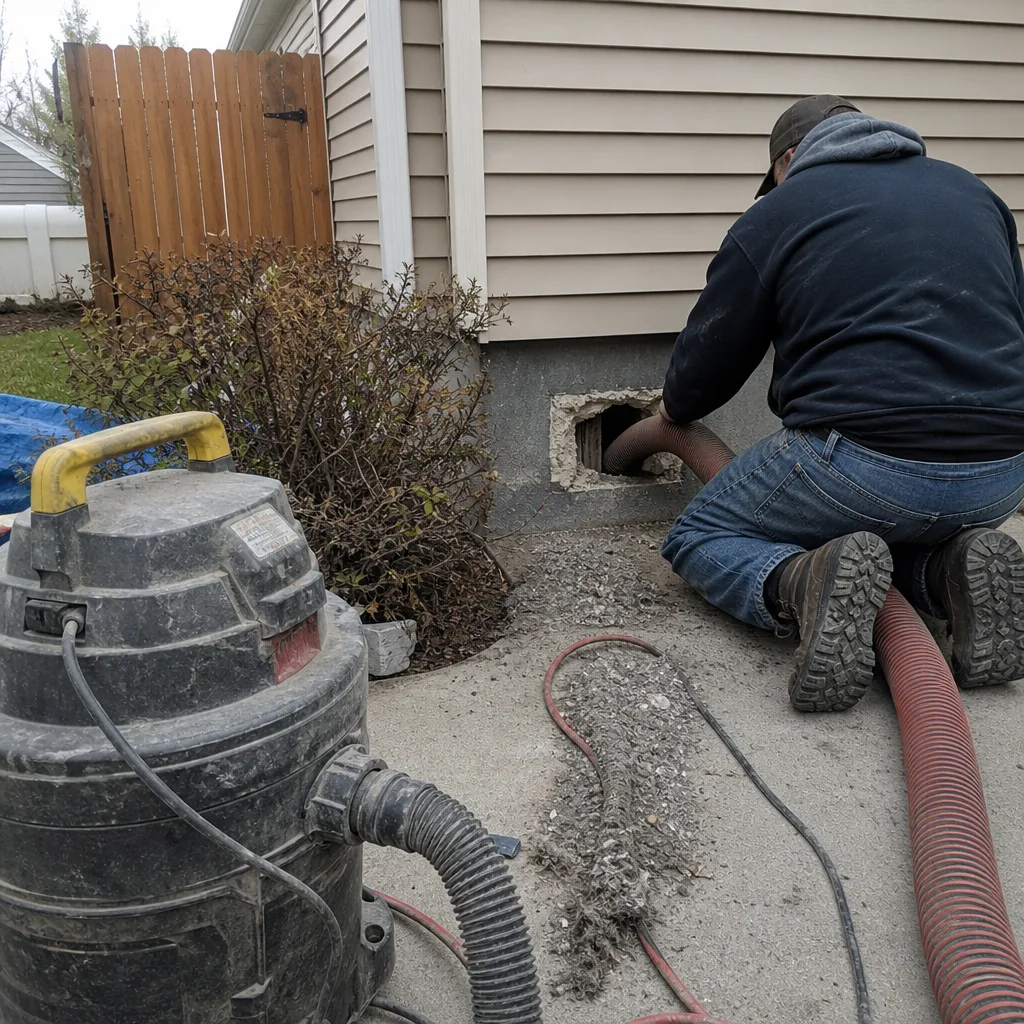 Before
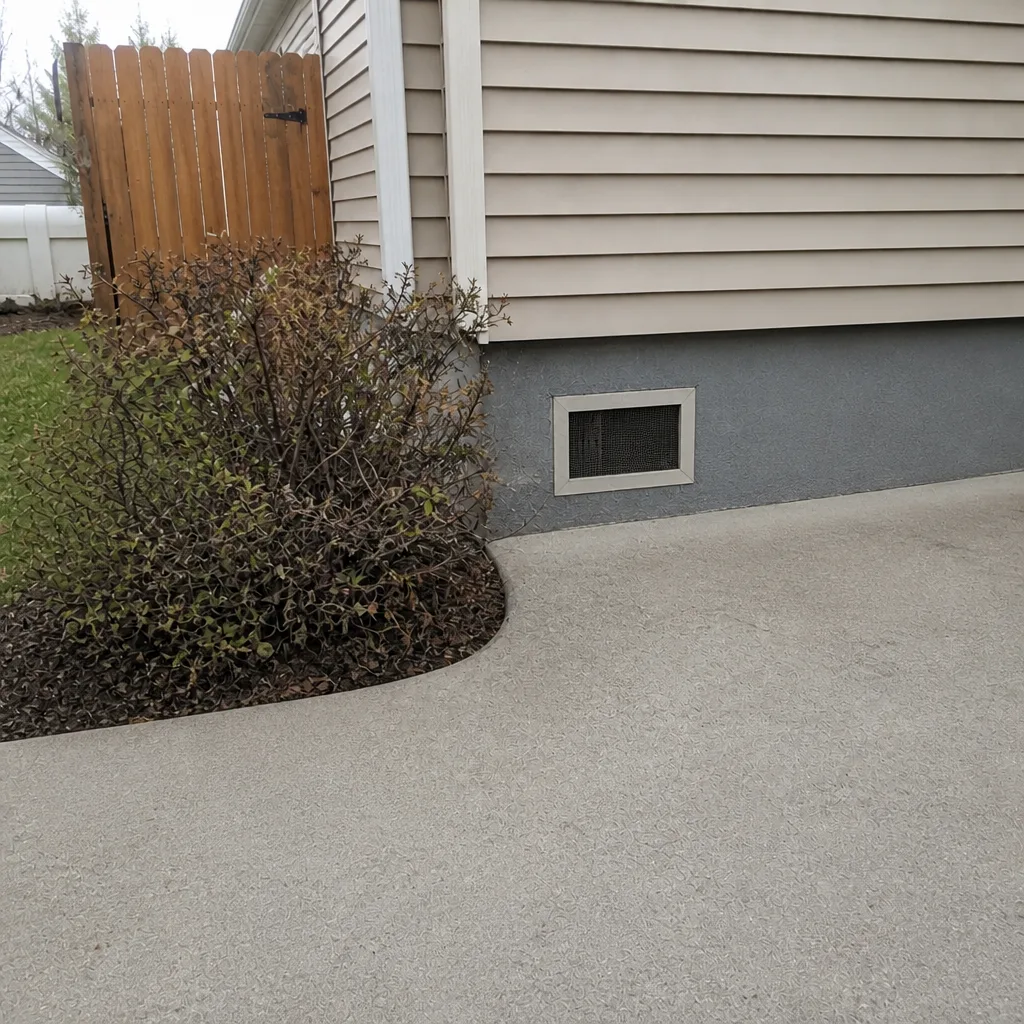 After
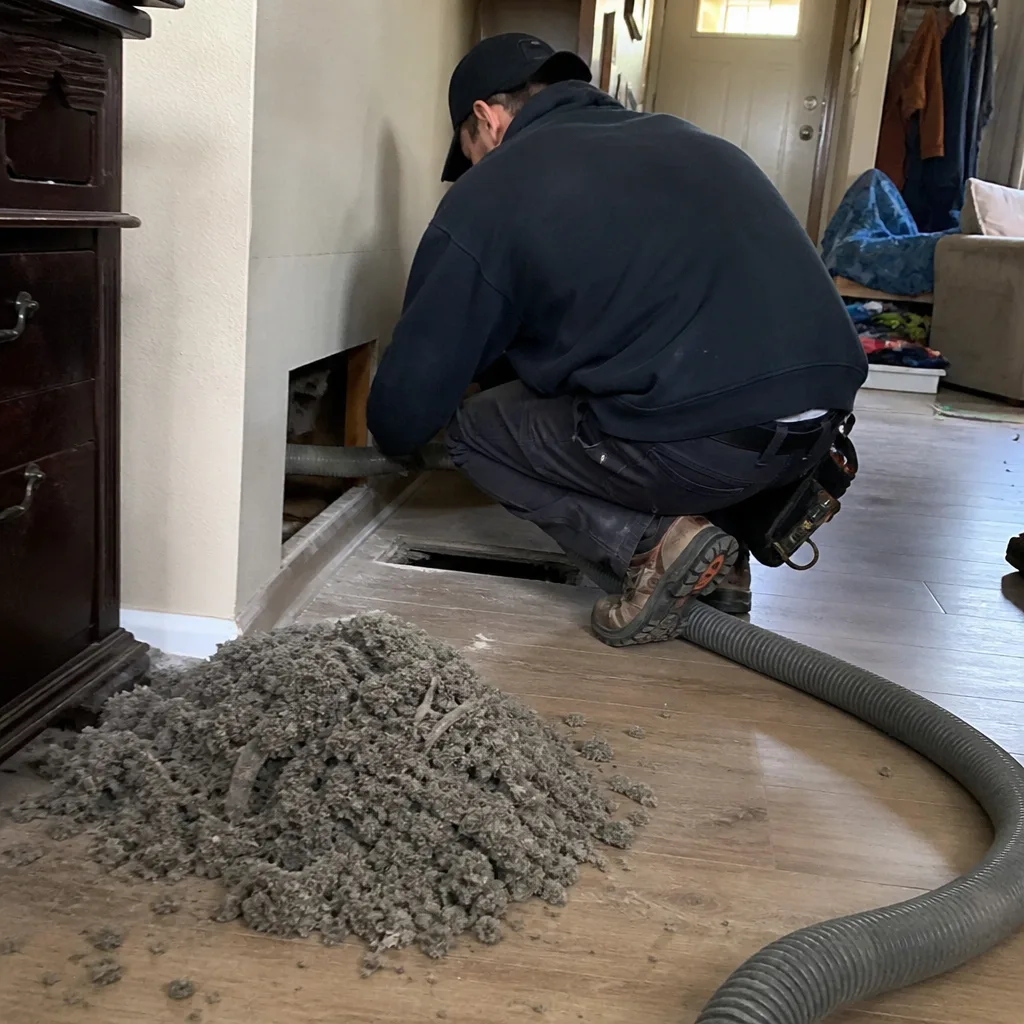 Before
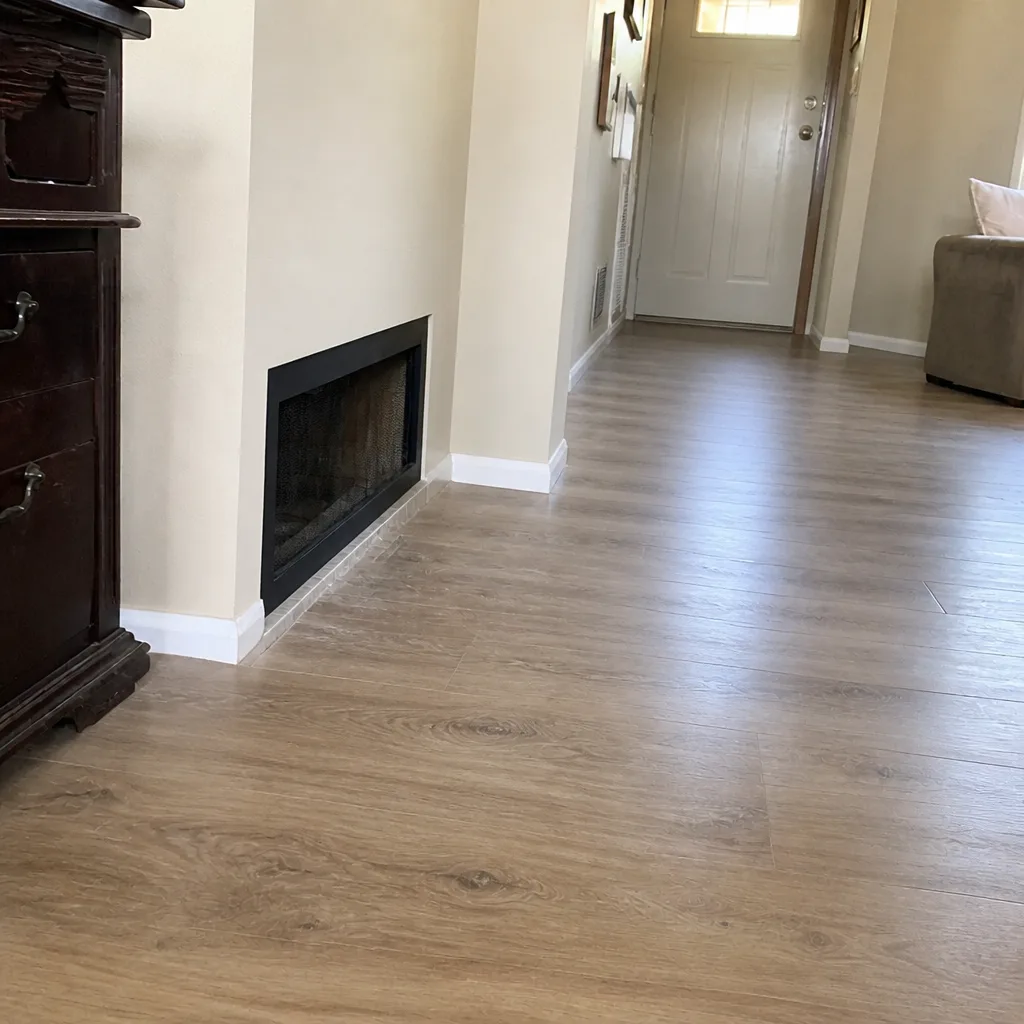 After
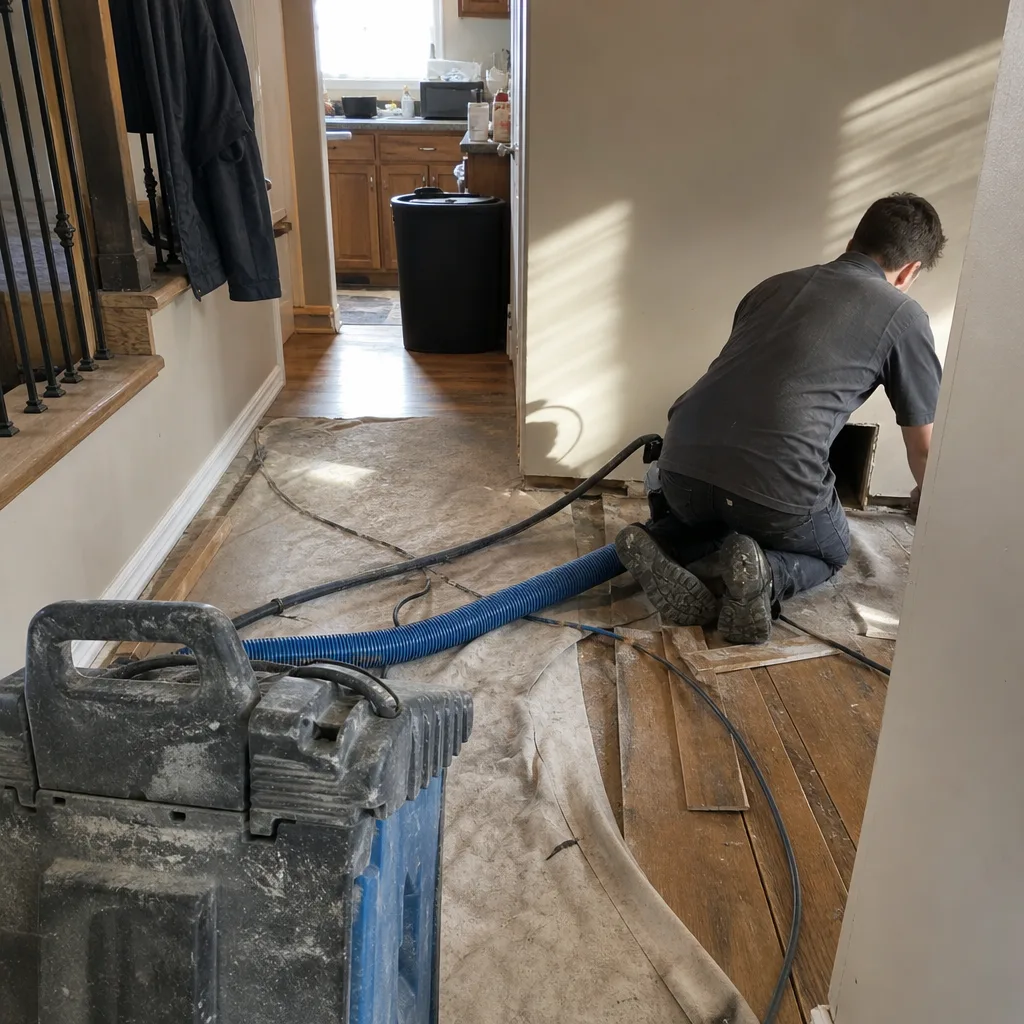 Before
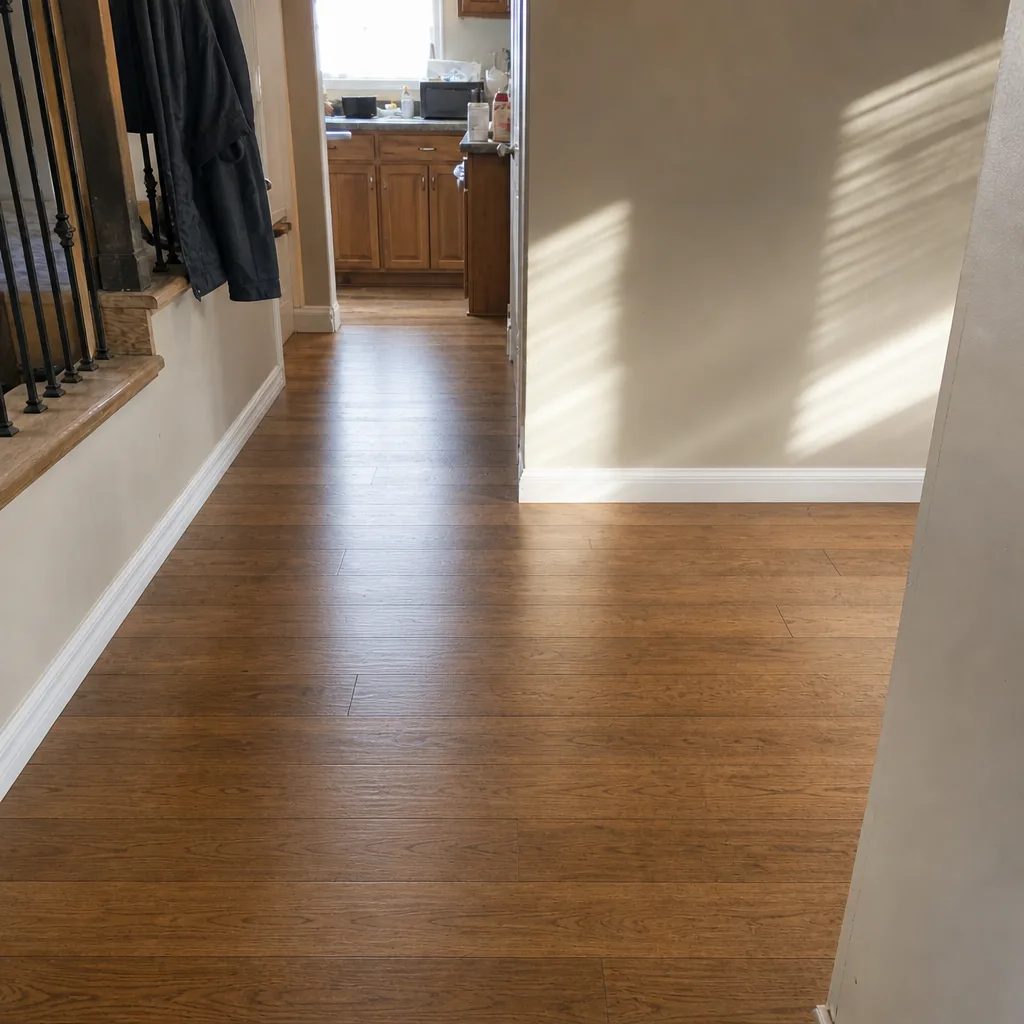 After
When to Call a Professional
You should call a professional when visible accumulation appears at registers or the return grille, after any renovation that generated drywall dust or sawdust, after a heavy wildfire smoke season, or when you notice reduced airflow and haven’t had the system inspected in a couple of years. Unusual symptoms like whistling registers, a musty smell from the supply vents, or hot spots at certain rooms are worth a professional look. If a flex duct run has separated or crushed, that’s a repair scope, not just a cleaning. Lockhart Air Duct Cleaning offers free estimates in Spokane Valley – call (844) 352-9945. We answer 24/7. Fast dispatch from 7am to 7pm, Sunday through Friday.
Frequently Asked Questions
Most Spokane Valley homes should be cleaned every three to five years, with pet households, homes with recent renovations, and allergy households landing closer to every two to three years. Wildfire smoke seasons push the schedule ahead of the standard interval, so post-smoke inspections often reveal that the next cleaning is due sooner than expected. A professional inspection confirms the right interval for your system. Call (844) 352-9945 for an exact quote – estimates are free.
Yes. Wildfire smoke introduces fine particulate into the home through the HVAC system and open-able building envelope, and much of it settles in the ducts and on filters. In a year with a heavy smoke season, the filter should be checked more frequently, and the duct inspection should happen in the fall rather than waiting for the next scheduled interval. If the smoke season was severe, it’s reasonable to add an inspection even if a cleaning isn’t strictly due yet.
Yes. The ridged interior of flex duct traps particulates at a higher rate than the smooth interior of sheet metal, so a home with mostly flex duct needs cleaning more often than a comparable metal-ducted home. Flex duct also fails at connections more often over time, and a separated joint pulls unfiltered air into the system. Ask a professional to inspect the flex runs during any duct cleaning visit; repair and cleaning should happen in the same scope.
Air duct cleaning is priced per job by written estimate, because the cost depends on square footage, number of registers, duct type, and whether repair is needed. Call (844) 352-9945 for a free estimate. Be wary of any quote that offers a low teaser price without asking about your system – that’s the pattern that turns into a larger invoice once work is underway. We set one flat price per system before work begins, and before-and-after photos confirm what was actually cleaned.
Very low quotes typically come from vendors who aren’t bringing professional-grade equipment, who skip inspection and documentation, or who run surface-level cleanings that don’t address actual debris accumulation. Cheaper equipment and a shorter process can leave a system looking cleaner than it is. Ask about the equipment being used (Rotobrush and Nikro are the systems serious contractors rely on), the scope of the visit, and whether you’ll receive photos and a written report. Honest pricing reflects the equipment and the scope; teaser pricing reflects neither.
Ask for before-and-after photographs of your own ducts – not generic images – plus a written summary that lists findings, cleaning scope, any repairs, and filter size. That documentation gives you a baseline to compare against at the next service and answers the “did they actually do the work” question directly. We provide this documentation with every cleaning. Call (844) 352-9945 for a free estimate.
The Bottom Line
The right duct cleaning schedule comes from your home’s profile, not from a fixed number on a calendar. Pets, renovation history, allergies, and regional air quality events all shift the interval, and duct construction type matters as much as any of them. Flex duct loads faster and fails at connections; metal duct with a good filter holds up longer. Filter maintenance between cleanings is the highest-impact task for reducing duct loading, and a short self-inspection each year catches most problems before they grow. The documentation from each cleaning becomes your baseline for the next. There’s no universal answer, but there is a right answer for your home, and it’s worth setting properly.
Contact Us
If you’re ready to set your home’s maintenance profile, call (844) 352-9945 for a free estimate. Lockhart Air Duct Cleaning has been serving Spokane Valley since 2016, offering air duct cleaning, air duct repair, and dryer vent cleaning with the same professional-grade equipment commercial contractors rely on. We answer 24/7. Fast dispatch from 7am to 7pm, Sunday through Friday. Ask us to walk you through what your system actually needs next.
Written by the team at Lockhart Air Duct Cleaning, serving Spokane Valley since 2016.