
Last updated November 14, 2026
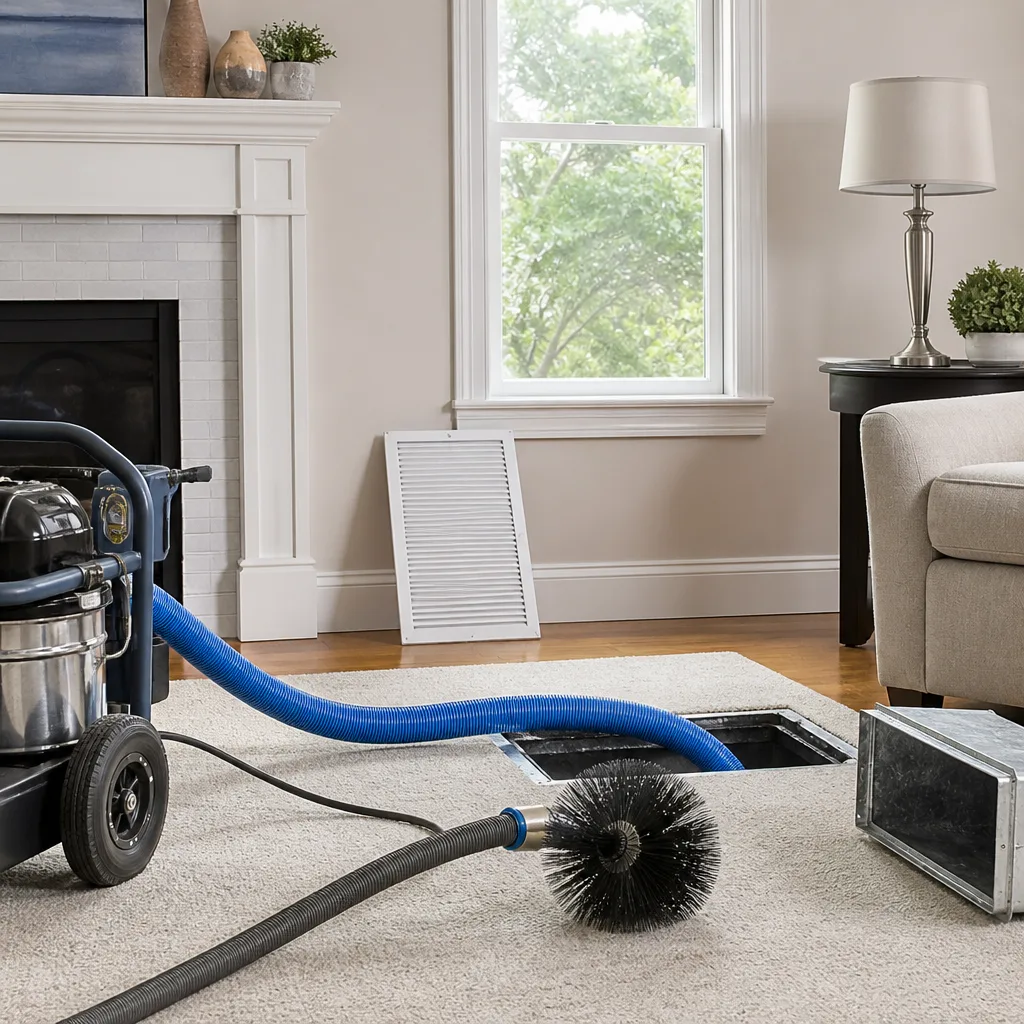 Whole-home duct cleaning
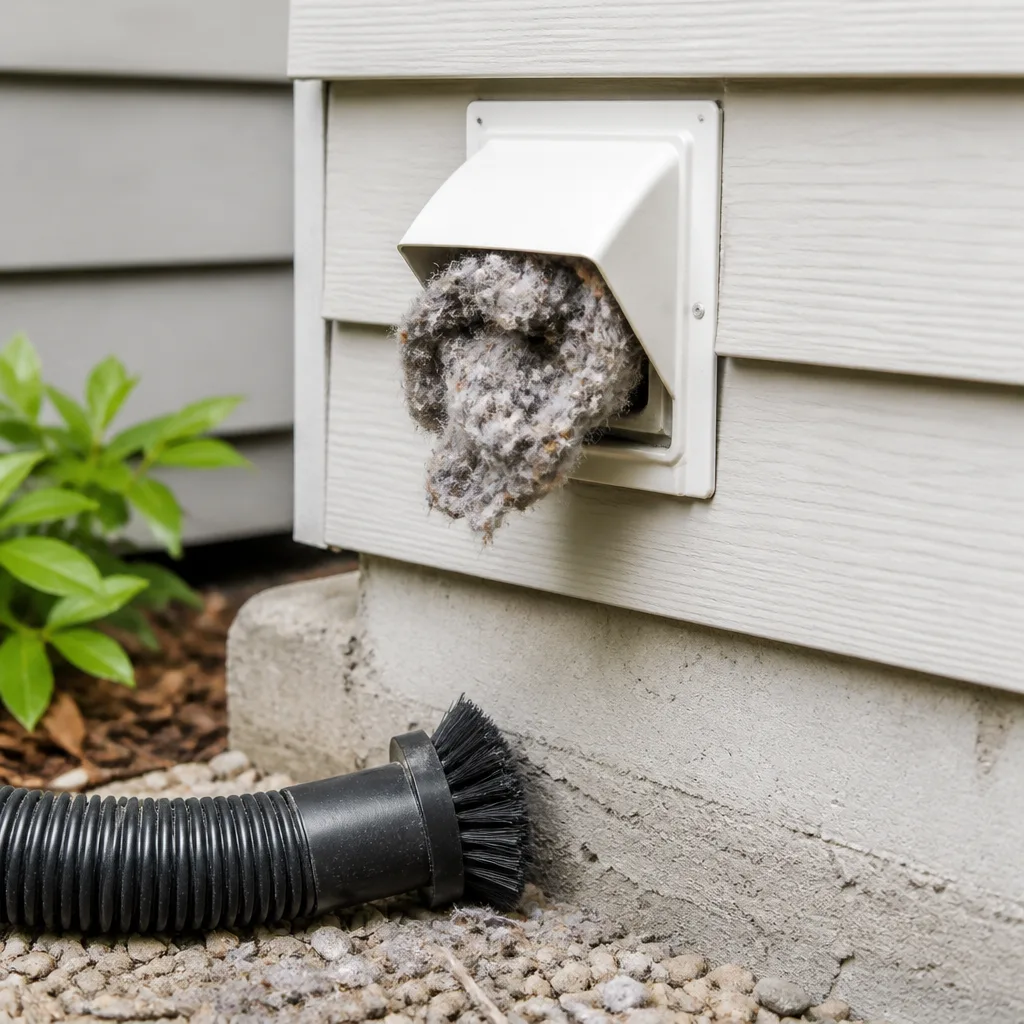 Dryer vent cleaning
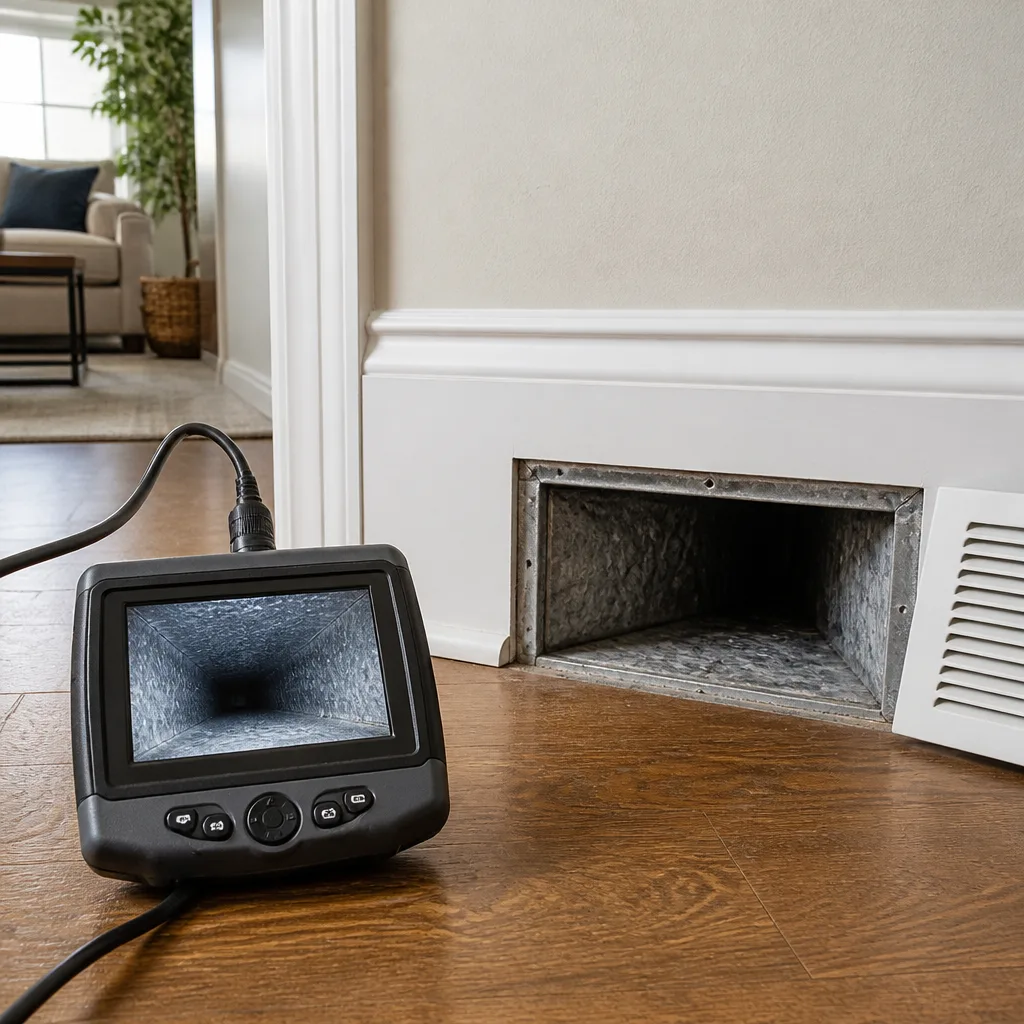 Camera inspection
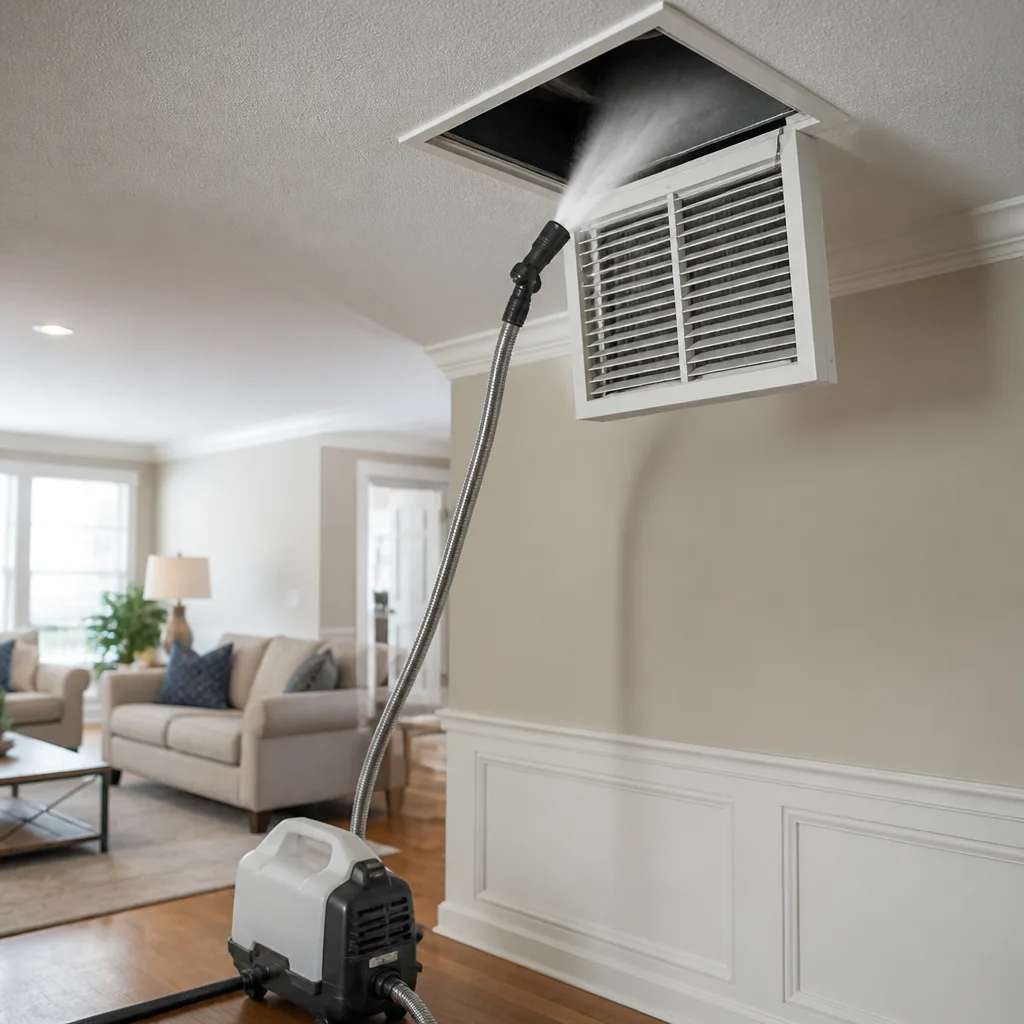 Sanitizing & deodorizing
Whole-system duct and dryer vent check with before-and-after photos - you see exactly what came out of your vents
That "$99 whole-house special" is a bait ad - the real number appears once they are in your hallway, or the "clean" is a shop-vac at the register. We photograph the inside of your ducts before and after instead.
Air Duct Cleaning Emergency Preparedness Guide for Spokane Valley Homes
Most homeowners here prepare for wildfire season by buying box fans and extra filters, then forget the system that decides what air actually reaches the bedroom at 2am. Your duct system doesn’t care about the forecast. If it’s leaky, unsealed, or full of debris, it doesn’t filter anything – it just moves whatever’s outside into the rooms you live in. During a smoke event, that’s the difference between a house that keeps the bad air out and one that quietly pulls it in every time the blower runs. This guide covers what to do before, during, and after the emergencies Spokane Valley actually sees – wildfire smoke, power loss, snow load, and water intrusion from a spring thaw – and how to ask the right questions when the crisis is over.
Quick Answer
A duct system in good repair, sealed at the joints and cleaned of debris, is your home’s best passive defense during an air quality emergency – but only after it’s been inspected and, if needed, repaired. Moisture intrusion requires professional evaluation before you restart the furnace, and after a smoke event the system needs the filter changed, a visual check, and often a full cleaning before normal operation resumes. Call Lockhart Air Duct Cleaning at (844) 352-9945 for a free estimate in Spokane Valley.
Styles & brands we work with
- Whole-home duct cleaning
- Dryer vent cleaning
- Camera inspection
- Sanitizing & deodorizing
Table of Contents
- Why Your Duct System Decides Your Air Quality in an Emergency
- How to Put Your HVAC System Into Protective Configuration During Wildfire Smoke
- What to Do After a Wildfire Smoke Event: The Right Sequence
- Post-Flood and Water Intrusion: Why You Can’t Just Run the System
- How to Tell If Your Duct System Actually Protects You
- Power Outages, Cold Snaps, and Duct Stress
- What Questions to Ask a Contractor After an Emergency
- Year-Round Preparation That Makes Emergency Response Easier
Why Your Duct System Decides Your Air Quality in an Emergency
During the 2020 wildfire season, air quality in Spokane Valley reached levels most residents had never seen – multiple consecutive days above 300 on the AQI scale. For a homeowner with a sealed, well-maintained duct system and a quality filter, that meant keeping windows shut and the system running on low with the right filtration in place. For a homeowner with leaky joints in a crawlspace run or a decade of dust caked along the trunk line, that meant the blower was actively drawing smoke from outdoors through every gap and into the supply registers.
The physics is simple, and it’s what we want every homeowner in Spokane Valley to understand before the next smoke event: a forced-air system is a pressure machine. When the blower runs, it creates negative pressure in the return side and positive pressure in the supply side. Any leak in the return ducting in a garage, crawlspace, or attic pulls unconditioned air into the system. In an ordinary week that air is just dusty. During a smoke event, that air is smoke. The system will do exactly what it’s built to do – it just may not be doing what you assumed.
This is the part most homeowners never think about:
- Leaky returns in a crawlspace or garage pull outside air straight into the supply stream.
- Debris and dust lining the ducts hold onto smoke particulates and re-release them for weeks.
- Unsealed boots at the registers let air bypass the system entirely, so half the filtered air never reaches the room.
- A filter slot that doesn’t seal lets air go around the filter instead of through it.
- Disconnected flex runs in attics and crawlspaces send conditioned air into the void, and pull unfiltered air from it.
A duct system isn’t a passive tube. It’s either protecting you or it isn’t, and the difference gets decided during the worst week of the year. That’s why air duct cleaning isn’t a spring cleaning chore here – it’s a preparation step, like cleaning the gutters before the first snow.
How to Put Your HVAC System Into Protective Configuration During Wildfire Smoke
When the sky over the Spokane Valley looks like it does during a bad fire season, your HVAC system can either help or hurt. It can’t do both. The configuration you set in the first hour of a smoke event determines how much contamination your ducts and your rooms pick up over the following days, and the choices are not complicated.
Here’s the sequence we recommend, in order:
- Close every window, door, and exterior vent. That includes the fresh-air intake on any HRV or ERV, and the fireplace damper.
- Confirm the filter that’s in the system. A high-MERV filter captures more of the fine particulate in smoke. If your system wasn’t designed for it, a MERV 11 or 13 is often a reasonable middle ground. A filter too restrictive for the blower can reduce airflow and stress the system, so match the filter to what your equipment can handle.
- Set the thermostat fan to “on” or “circulate,” not “auto,” if the system is in good repair. Continuous circulation keeps air moving through the filter rather than letting it settle in rooms.
- Turn off any kitchen or bath exhaust fans that vent outdoors. They push inside air out, and outside air comes in to replace it.
- Seal obvious gaps around exterior doors and the attic hatch with temporary weatherstripping or painter’s tape.
- Run a portable HEPA air cleaner in the room where you sleep if you have one. It supplements the central system, it doesn’t replace it.
The critical caveat: if your ducts are leaky, unsealed, or visibly damaged, continuous fan operation is the wrong move – it pulls smoke in faster. You need to know the condition of the system before you trust it. That’s why an inspection early in the year matters more than anything you can do once the smoke is already in the air.
Homeowners with damaged or disconnected ducting often end up running the system less, which leaves rooms stuffy and hot. In a Spokane Valley summer, that’s its own set of problems. The right answer isn’t to run an unprotected system and hope, or to shut it off and roast. It’s to get the ducting into shape before the question comes up – our Lockhart Air Duct Cleaning team can look at the system in an ordinary week, find the leaks, and repair them. That’s the difference between preparation and reaction.
What to Do After a Wildfire Smoke Event: The Right Sequence
Once the smoke clears and the AQI drops back into a range you’d actually walk the dog in, there’s a sequence to follow, and doing it in the wrong order wastes money. The most common mistake we see is a homeowner who returns to normal HVAC operation right away, then wonders weeks later why the house still smells faintly of smoke and why allergy-like symptoms haven’t let up.
Here’s the sequence:
- Open the house up and ventilate from the outside for a few hours on the first clear day. Get the smoke out of the living space before you start the equipment back up.
- Replace the furnace filter – not just clean it, replace it. A filter that saw a smoke event has done its job and is done. Reusing it just reintroduces what it captured.
- Check the return grilles and supply registers for visible ash or dust film. Wipe them down before starting the system.
- Look at the duct openings you can see. If there’s a visible grey film or ash deposit inside a supply boot, that debris is going to circulate on every cycle until it’s removed.
- Schedule a professional duct assessment. A camera inspection of the trunk lines and flex runs will tell you whether surface debris, settled ash, or a compromised joint needs attention before returning the system to normal use.
- Address any damaged or disconnected runs. Smoke events expose weak points. A crack in the trunk line or a slipped flex connection that you never noticed becomes obvious once the system has been through a bad week.
- Only then return to normal thermostat scheduling and filter change intervals.
One nuance that catches people off guard: the smell lingers longer than the visible smoke does. Ash and fine particulate lodge in the plenum, on the blower wheel, and along the boot-to-register connections. The only reliable way to know whether your ducts hold onto any of that is to look. We use professional-grade Rotobrush and Nikro equipment that lets us inspect and clean thoroughly, not just what’s reachable through a register. If you’re not sure what the last smoke event left behind, that’s the call we get most often, and it’s a reasonable one.
Post-Flood and Water Intrusion: Why You Can’t Just Run the System
Spokane Valley doesn’t get hurricanes, but it gets fast spring thaws, summer thunderstorms that overwhelm storm drains, and plumbing failures that leave water pooling in a crawlspace before anyone notices. That’s where duct work usually lives here – down in the crawlspace, or in an unconditioned attic. When water reaches the ducts or the air handler, the calculation changes completely.
Running a forced-air system that has taken on water is one of the more expensive mistakes a homeowner can make. Here’s why:
- Wet debris becomes a biological growth site within hours. The inside of a wet flex duct is warm, dark, and food-rich for the wrong kinds of organisms. The system will spread what grows there across every room.
- Fiberglass duct board and flex duct lose structural integrity when soaked. Even after drying, the liner delaminates and the duct stops sealing. It has to be replaced, not dried out.
- Sheet metal under water rusts. Deep rust weakens the duct wall, and the coating on the inside eventually flakes and enters the air stream.
- The air handler has electrical components. A wet blower motor or control board is a shock and fire risk. Don’t energize it.
- Humidity in the crawlspace after a flood can keep ducting damp for weeks. The drying step matters as much as the cleaning step.
What to do instead of starting the system:
- Turn the HVAC system off at the thermostat and the breaker. Don’t run it until the system has been evaluated.
- Document the water line and take photos before anything dries. That documentation helps with insurance and with a contractor’s assessment.
- Dry the space first. Dehumidifiers and fans pointed at the crawlspace, not into the ducts. Running air through wet ducting just spreads the moisture.
- Call a professional for a duct assessment before restarting the system. A proper evaluation tells you whether insulation or duct work has to be removed and replaced, and whether any section can be cleaned and dried in place.
- Deal with the moisture source. If water comes in through a crack in the foundation or a failed sump, that’s the root issue. Cleaning and repairing the ducts won’t help if the next rain brings the water back.
This is where airflow repair and cleaning belong in the same conversation. A wet flex run isn’t a cleaning job, it’s a replacement job. A sheet metal trunk that took on water but dried quickly may just need a clean and a reseal. Knowing which one you’re looking at takes eyes on the system.
How to Tell If Your Duct System Actually Protects You
Most homeowners have no idea whether their ducts are helping or hurting during an air quality emergency, because the system runs invisibly. Here’s a practical way to find out – it’s a diagnostic list, not a step-by-step DIY repair guide. For anything involving climbing into an attic or crawlspace, or handling duct work connected to your air handler, call a professional.
Ask yourself these questions:
- Do you know when the ducts were last cleaned? “Never” is a common answer, and it tells you a lot.
- Are there visible gaps where the duct connects to the register boot or the plenum? Even a gap the thickness of a nickel adds up across a whole house.
- Is any duct in the crawlspace or the attic made of flex that’s sagging, kinked, or visibly torn? Kinks cut airflow, and tears pull in unfiltered air.
- Does the filter slot seal tightly around the filter? Hold a tissue near the slot with the system running. If it flutters, air is bypassing the filter.
- Does the return duct run through an unconditioned space? A return line in a hot attic or damp crawlspace pulls whatever’s in that space into the house.
- Do some rooms run hotter or colder than others, or get noticeably stuffier? Uneven performance usually points to a duct problem, not a thermostat problem.
- Have you ever seen dust streaks around the registers, or visible ash inside them? That’s a sign air is moving past the intended path.
If two or more of these answer in the “yes, that’s probably a problem” direction, the duct system isn’t protecting you during the next smoke event – it’s the weak link. Inspecting and repairing before the event costs far less than reacting after, and in Spokane Valley, the smoke season arrives faster than most people plan for. The Spokane Valley housing stock ranges from mid-century ranches with original galvanized duct work to newer construction with flex systems, and each has its own failure points. A real inspection looks at both the quality of the air and the structure of the system that’s moving it.
Power Outages, Cold Snaps, and Duct Stress
The other emergencies in Spokane Valley’s rotation aren’t air quality events at all – they’re winter storms that knock out power for hours and ice storms that pull down branches onto overhead lines. When the power comes back on after a long outage, the sequence of how the system restarts matters more than homeowners realize.
A few months of cold crawlspace air during an outage leaves attic and crawlspace ducting chilled. When the system kicks back on to catch up, the air handler works harder than usual and the ducts experience more moisture cycling from condensation. That doesn’t cause an emergency on its own, but if the ducts were already marginal – sagging, uninsulated, or leaking – the system takes stress it wasn’t going to take otherwise.
What to do after a prolonged outage:
- Don’t run the furnace at max heat to catch up. Let the system come back to setpoint gradually. Rapid recovery cycles stress older equipment.
- Smell the air coming out of the registers in each room. A damp, musty, or smoky smell is a sign something downstream needs a look.
- Check for visible frost, condensation, or water stains at the supply boots and the air handler cabinet. A few spots are normal; standing water is not.
- Give the filter a second look. Long cycles throughout a cold snap load the filter faster than ordinary service intervals assume.
- If any room is noticeably underperforming after the storm, that’s a signal to have the duct work inspected rather than turned up.
There’s a secondary risk we see in older Spokane Valley homes: cold snaps and power outages are when furnace failures become obvious. A furnace that’s been struggling all winter finally quits, and the homeowner calls a heating contractor, who finds the system itself is fine but the distribution is compromised. Duct work and furnace work should be evaluated together, not in separate visits that never talk to each other.
What Questions to Ask a Contractor After an Emergency
After a big event, the phone book fills up with offers. Some are legitimate remediation companies; some are opportunists. The homeowner who asks a few specific questions gets a real answer, and the one who doesn’t gets upsold. The differences usually show up in the first five minutes.
Here’s what to ask, and what the answer should tell you:
- “Will you inspect before you quote?” The right answer is yes, and the inspection should involve looking inside the system, not just standing at a register.
- “Will you tell me which ducts are damaged and which are fine?” A contractor who wants to replace all the duct work after every smoke event is worth scrutinizing. Damage is local – some runs take the hit, others don’t.
- “What equipment will you use?” Professional-grade equipment separates a real cleaning from a surface pass with a shop vac. We use Rotobrush and Nikro systems because they’re the standard for the kind of work that actually removes debris from the whole system, not just the first three feet of each run.
- “Can you repair a broken run, or only clean it?” If the answer is “only clean,” you’ll be calling someone else for the repair anyway. A full-service company handles both.
- “What are the before-and-after photos going to show me?” Ask for photos of the actual duct interior at the start and end of the job. Any reputable contractor takes these and shares them.
- “What’s included in the estimate, and what would be an add-on?” You want to hear a clear, flat number for the job as scoped – not a per-vent charge that climbs once they’re on site.
- “Are you recommending a repair or a replacement, and why?” The reasoning behind the recommendation is often more important than the recommendation itself. Replacement is sometimes the right call; it shouldn’t be the default.
- “Do you offer filtration upgrades as part of the job?” A contractor who works with recognized product lines – we’re set up with Aprilaire, Honeywell, Abatement Technologies, and Guardsman – can talk you through options that make sense for the humidity and particulate profile here. That’s a conversation, not a sales pitch.
One more thing worth saying: the phrase “of course you need everything replaced” is worth pushing back on, politely. Real damage is local and specific. Ask to see it. A contractor with nothing to hide will walk you through the photos and explain what they’re showing.
Year-Round Preparation That Makes Emergency Response Easier
The best emergency response is the one you never need. Duct maintenance isn’t glamorous, and it doesn’t feel urgent on a mild April day, but the homeowner who’s kept the system clean and sealed is the one who doesn’t have to scramble when the next smoke event hits. Here’s what we recommend to homeowners across Spokane Valley.
Once a year, schedule a duct assessment. Before the smoke season, not during it. A look inside the system tells you what shape it’s in and whether any repairs are needed while the work is routine. It’s a much easier conversation in May than in September.
Change the furnace filter on the schedule the manufacturer specifies, and more often during heavy use. The right interval depends on your filter type, your system, and whether pets or projects are kicking up extra debris. This is one household chore that pays for itself in equipment longevity.
Get the dryer vent on a maintenance schedule of its own. This one matters beyond indoor air quality. Lint accumulating in a dryer vent is one of the leading causes of residential fires, and it’s a risk most duct cleaners ignore or treat as a footnote. Our dryer vent cleaning service addresses it as a dedicated job, because that’s what it is.
Seal the obvious air leaks. Around the outside of the house, this is weatherstripping and caulk. Inside, it’s the ducts – the register boots, the plenum connections, the return plenum in the garage. Every gap sealed is one less path for outside air to enter during the next bad air event.
Have a fire-season kit ready before fire season. A few extra filters, a portable HEPA air cleaner, painter’s tape, and the name of one trusted contractor whose number you’ve already checked. The people who prepare before the smoke arrives are the ones who get scheduled first.
Know what your crawlspace looks like in February. If water pools there during the thaw, or if the ducts run low enough to touch standing water, fixing that now avoids the post-flood scramble later. This is one of the more common scenarios we’re called out on in the Spokane Valley, and it’s almost always preventable.
Common Mistakes to Avoid
- Running the system on continuous fan during a smoke event with a leaking duct system. If the returns are leaky, continuous operation pulls smoke in faster. Check the system’s condition before you trust the fan setting.
- Cleaning the filter instead of replacing it after a smoke event. A filter that’s loaded with smoke particulate can’t be rinsed back to usefulness. Replace it. It’s cheap insurance compared to the alternative.
- Restarting the HVAC after a flood without a professional assessment. Water in the ducts plus warm air from the first heating cycle is the setup for a biological growth problem in a system you then have to replace.
- Assuming “cleaned” ducts means “sealed” ducts. Cleaning removes debris. Sealing stops air leaks. A system can be both spotless and pulling outside air in every time the blower runs.
- Skipping the dryer vent during an air quality overhaul. Lint buildup in a dryer vent is a well-documented fire risk, and “we’ll get to it later” is how homeowners end up scheduling it after an incident instead of before.
- Taking the first post-emergency quote without asking to see the duct interior. Opportunists live in the window right after a big event. Ask for before-and-after photos before you sign anything.
- Ignoring the crawlspace in a Spokane Valley winter. Standing water, soggy insulation, and condensation on the duct run are all things you catch in a routine look, and make a difference to how the system performs for the rest of the year.
See the difference
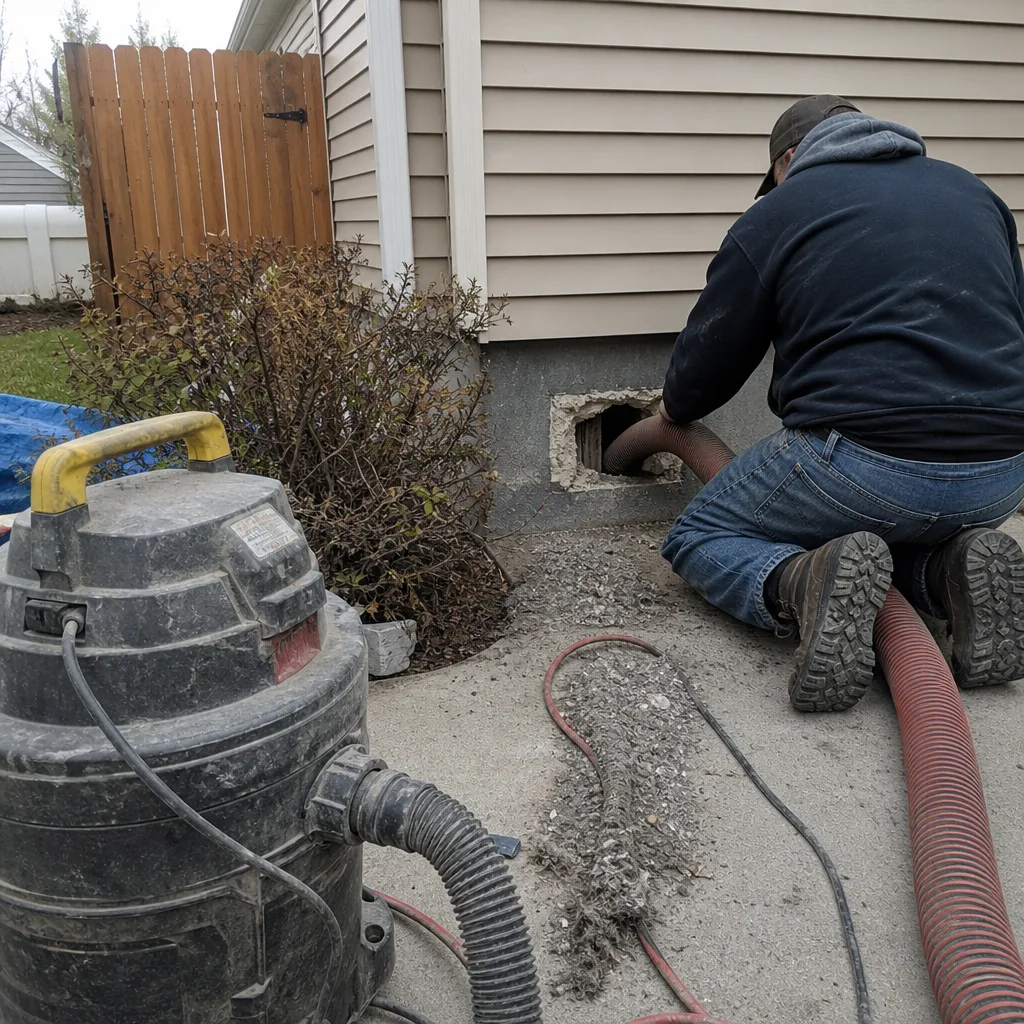 Before
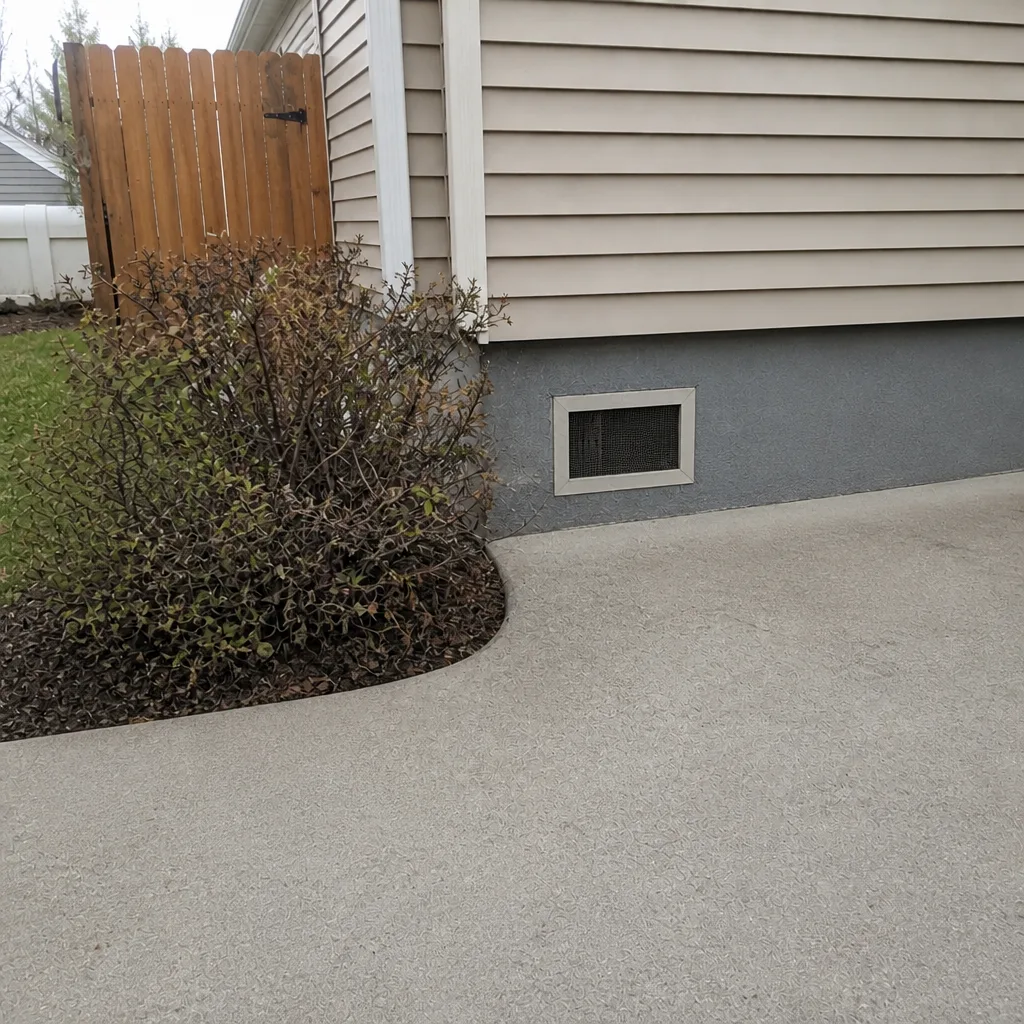 After
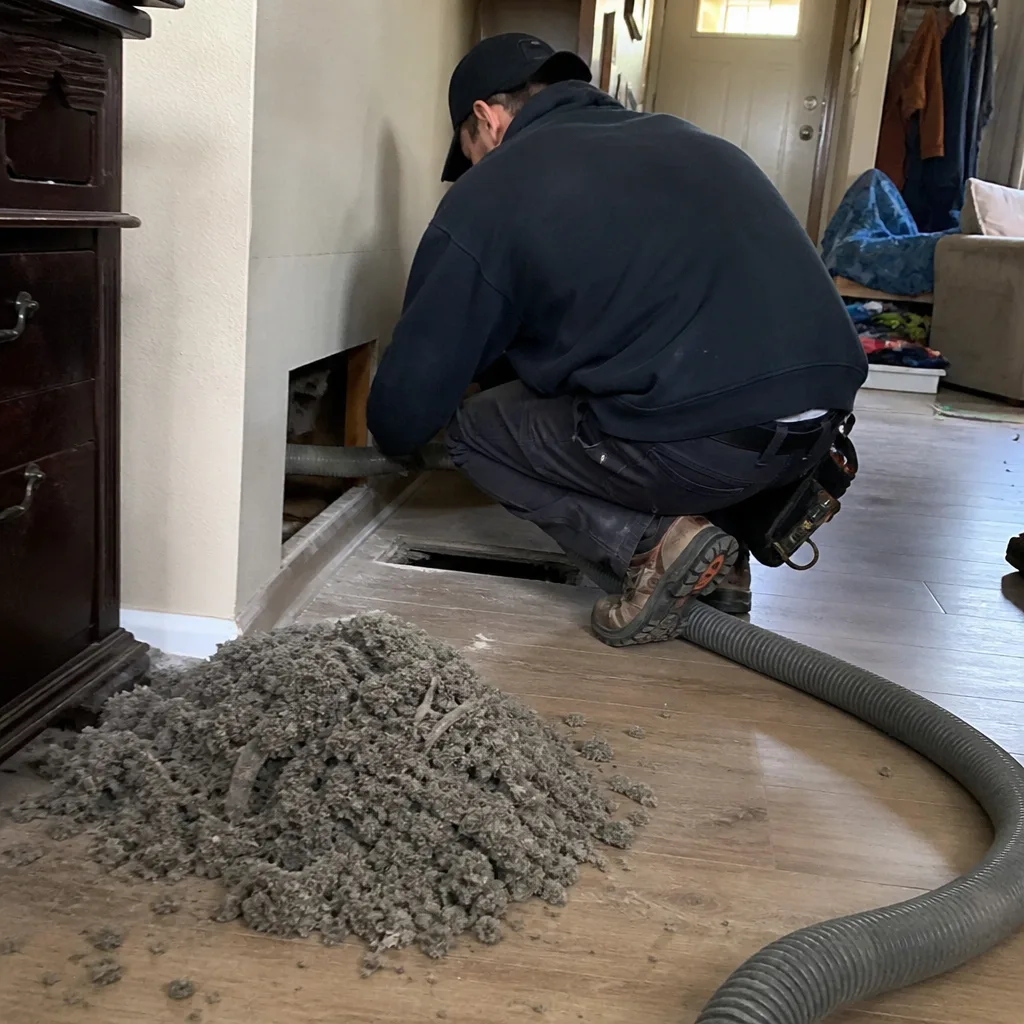 Before
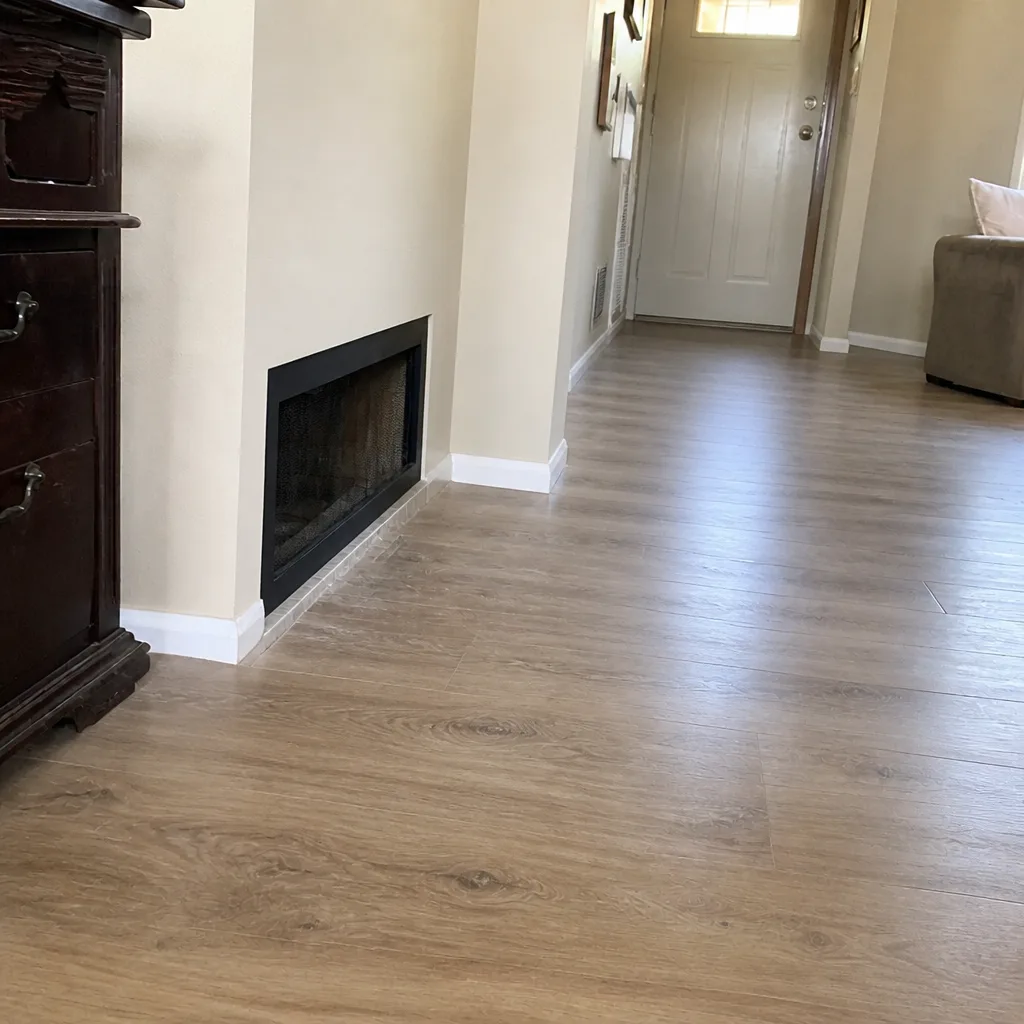 After
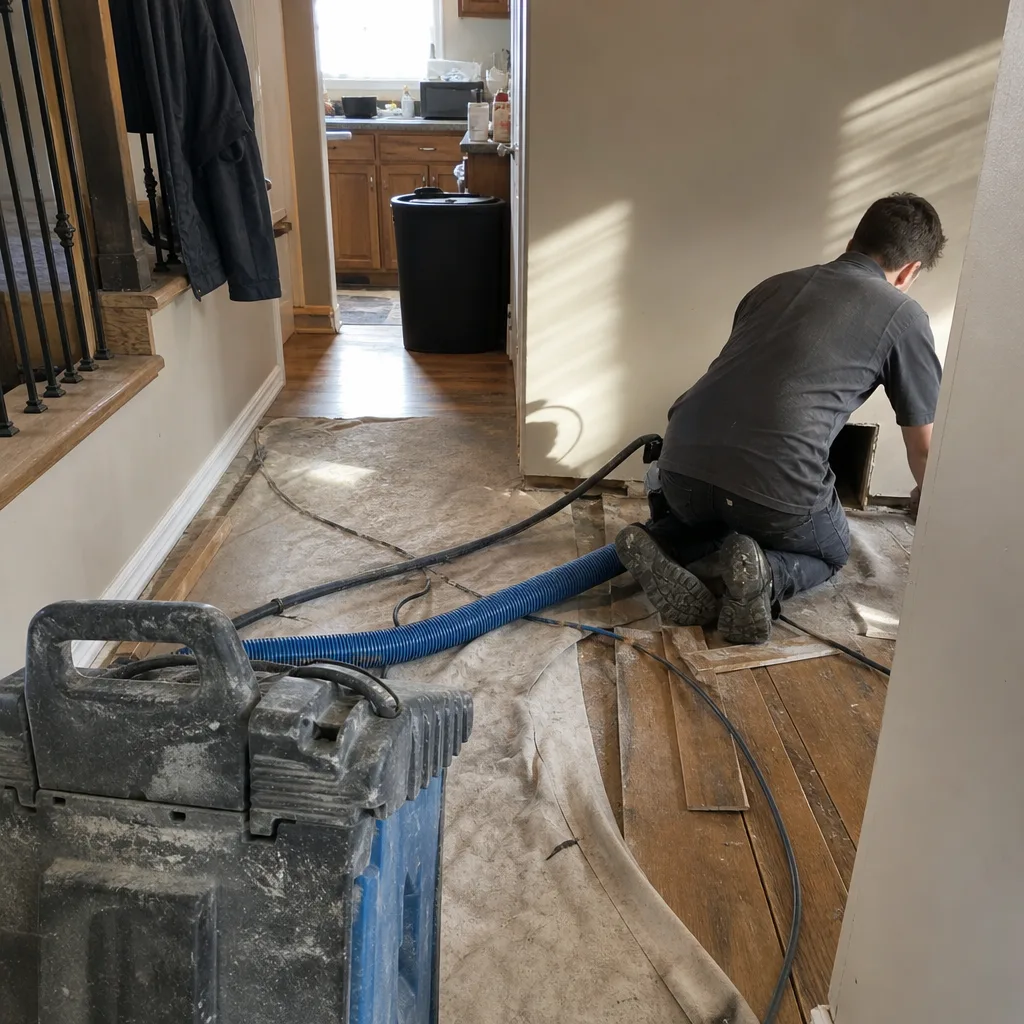 Before
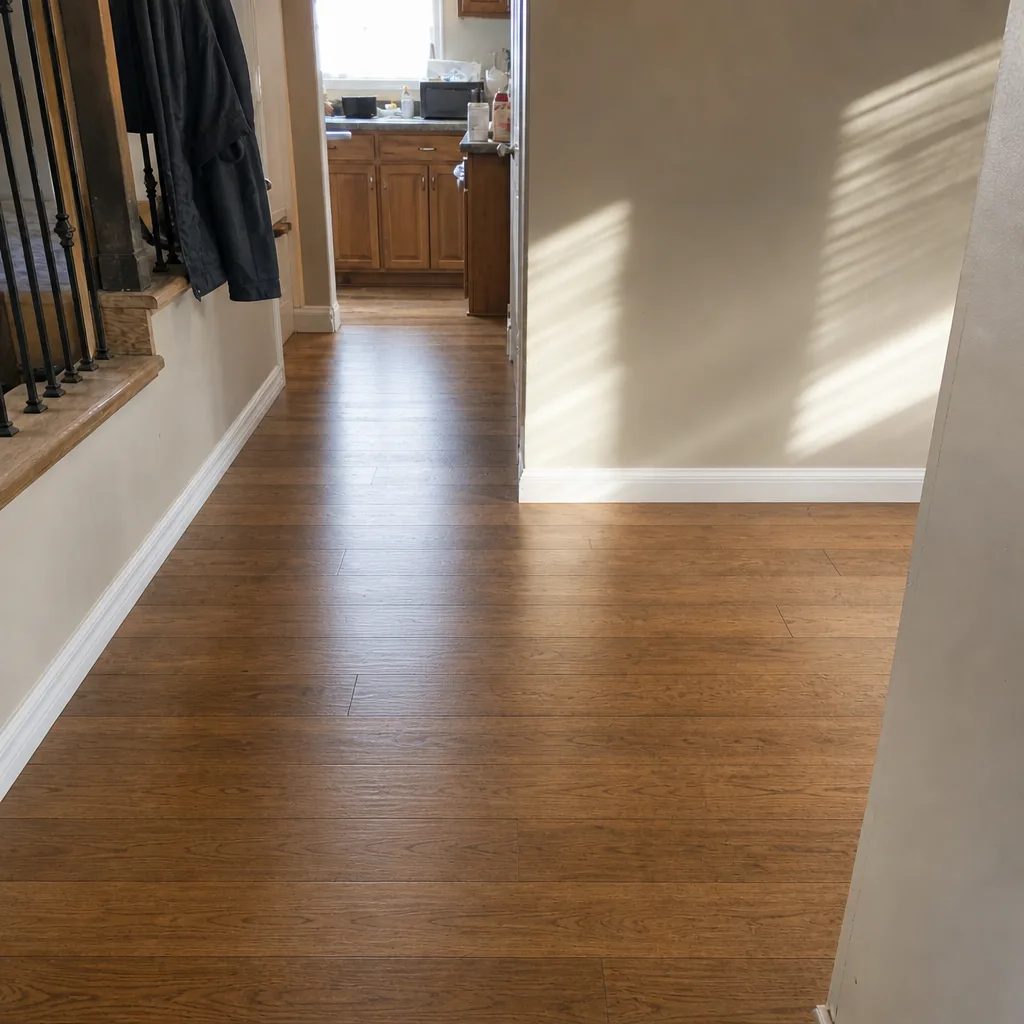 After
When to Call a Professional
Call a professional if any of the following applies: you’ve never had the duct system inspected and you can’t remember when it was last cleaned; you’ve had a smoke event in the last few months and the house still has a smell or dust film you can’t account for; water reached the duct work during a flood, plumbing failure, or thaw and the system hasn’t been assessed since; you’ve noticed uneven heating or cooling, soot streaks around the registers, or visible gaps in the duct system you can see from the basement or attic hatch; or a contractor has recommended a full duct replacement and you’d like a second opinion before committing.
Lockhart Air Duct Cleaning offers free estimates in Spokane Valley – call (844) 352-9945. We answer 24/7. Fast dispatch from 7am to 7pm, Sunday through Friday. We arrive with the same professional-grade equipment commercial contractors use, because residential duct work deserves the same rigor. We don’t just clean your ducts – we inspect and repair them. Cleaner ducts start with the right machine and the right technician, and one visit can clean, repair, and upgrade your air system so you’re ready before the next smoke event finds you.
Frequently Asked Questions
Pricing is set per job by a written estimate, because a 1,200-square-foot ranch with simple duct work and a two-story with multiple zones are not the same job, and a per-vent price hides that difference. The estimate is free, and the written number you sign is the number you pay. The best way to get a firm figure is to call (844) 352-9945 for an in-home assessment.
Yes, and the sooner the better once the smoke has cleared. The right first steps are yours: ventilate the house, replace the furnace filter, and wipe down the registers. Then schedule an inspection. We answer 24/7 at (844) 352-9945, and we can book an assessment before you return the system to normal operation.
Usually because they’re giving you a surface pass with consumer equipment rather than a whole-system cleaning with professional-grade machines. A shop vac run through a register doesn’t do the work a Rotobrush or Nikro system does, and a quote that doesn’t include the inside of the trunk line or any inspection of the duct structure is quoting a different task. The cheaper quote is often the more expensive one in the long run.
Ask for before-and-after photos of the interior of your own ducts – not stock photos, yours. Any reputable contractor takes these as part of the job. If a contractor can’t or won’t show you the inside of your own system, that tells you what you need to know.
There’s no single right number, but for most homes here a professional inspection once a year, with cleaning scheduled based on what the inspection finds, is a reasonable baseline. Homes with pets, recent remodeling, or a wildfire smoke event in the past year can justify more frequent cleaning. Homes that have never had a duct assessment should start with one.
Turn the system off at the thermostat and the breaker, document the water line with photos, dry the crawlspace with dehumidifiers and fans, and call a professional for an assessment before restarting anything. Wet flex duct and duct board usually have to be replaced, not dried in place. Sheet metal can sometimes be cleaned and resealed. Don’t guess at which – have it looked at.
The Bottom Line
The emergencies that matter most for Spokane Valley homes – wildfire smoke events, winter power outages, spring flooding – all put pressure on the same system: the one moving air through your house every day. A duct system that’s clean, sealed, and structurally sound protects you during the worst week of the year. One that isn’t actively makes the problem worse. The work that makes the difference is done before the emergency, in the ordinary weeks when nobody’s thinking about it. If you’re not sure what shape your system is in, that’s the whole conversation – one free estimate answers it. Call Lockhart Air Duct Cleaning at (844) 352-9945. We answer 24/7. Fast dispatch from 7am to 7pm, Sunday through Friday.
Written by the team at Lockhart Air Duct Cleaning, serving Spokane Valley since 2016.