
Last updated November 14, 2026
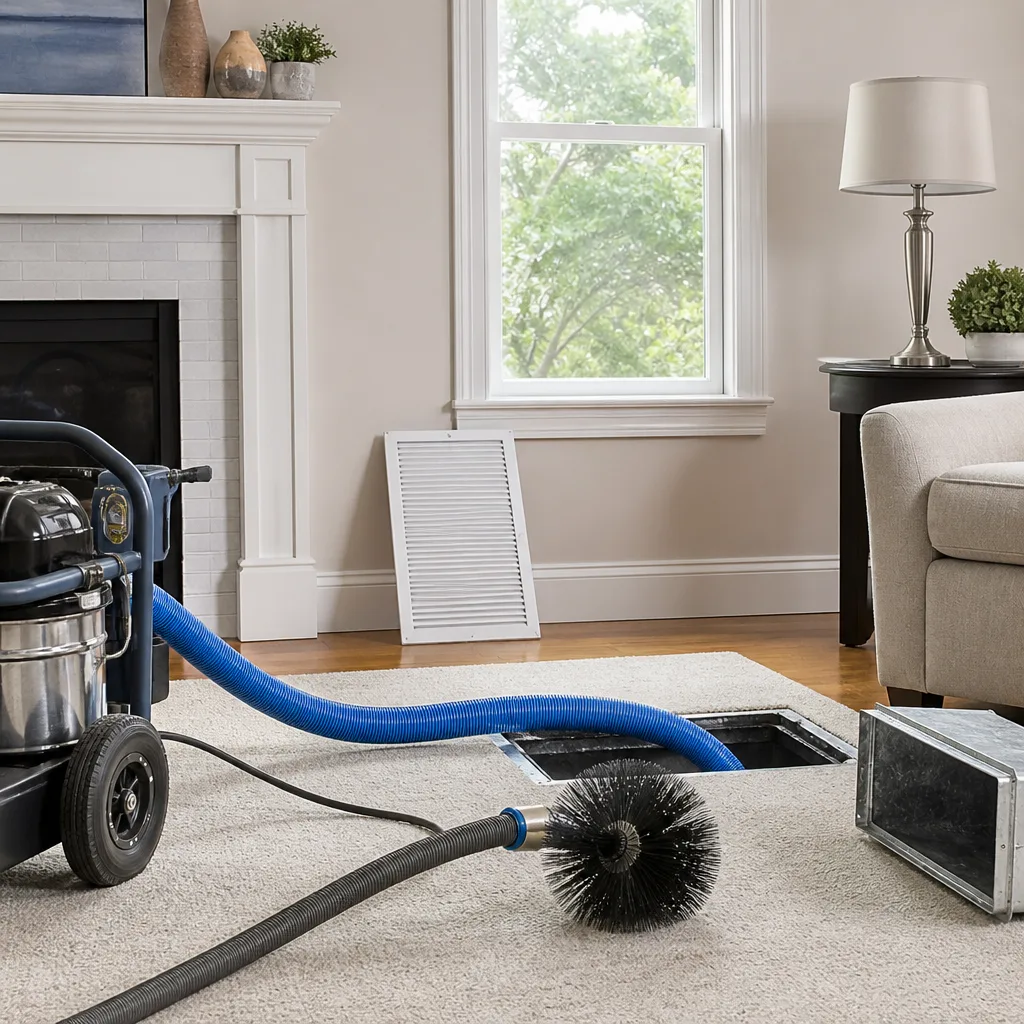 Whole-home duct cleaning
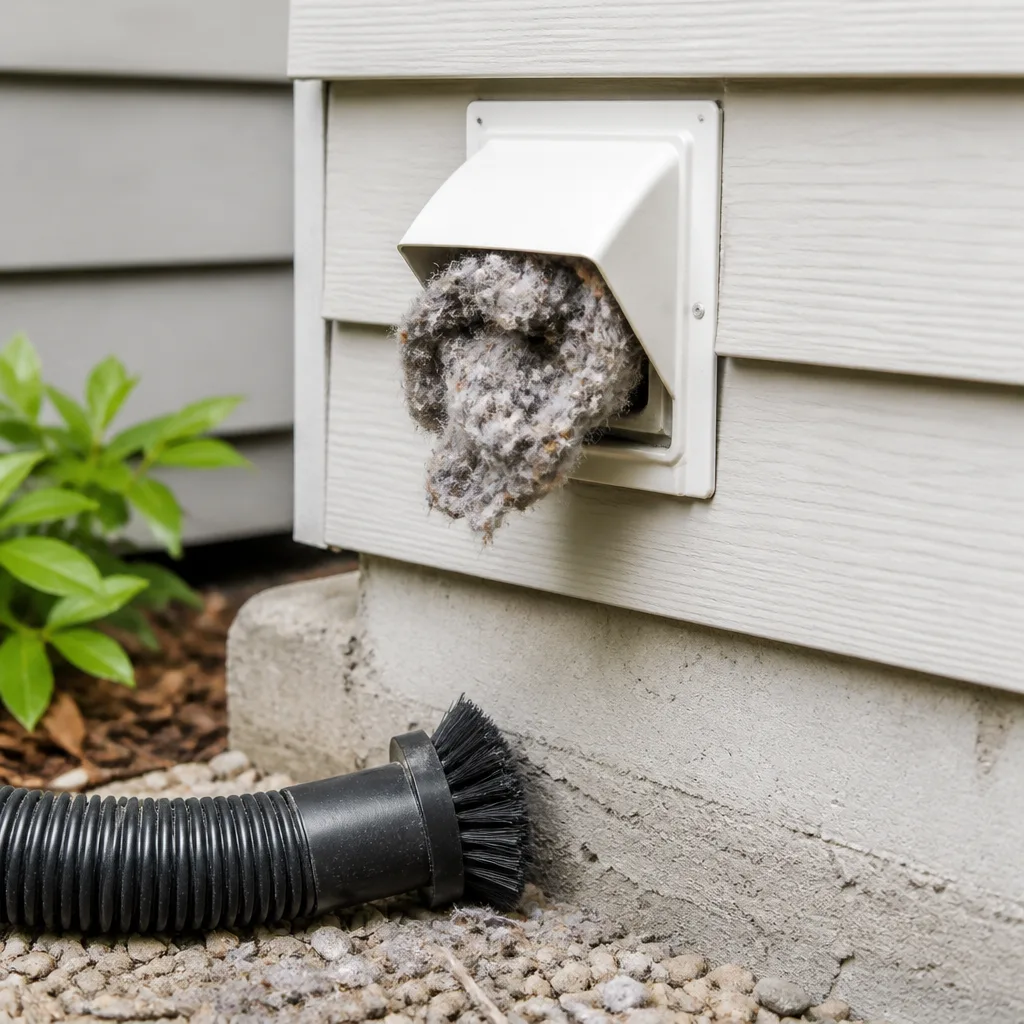 Dryer vent cleaning
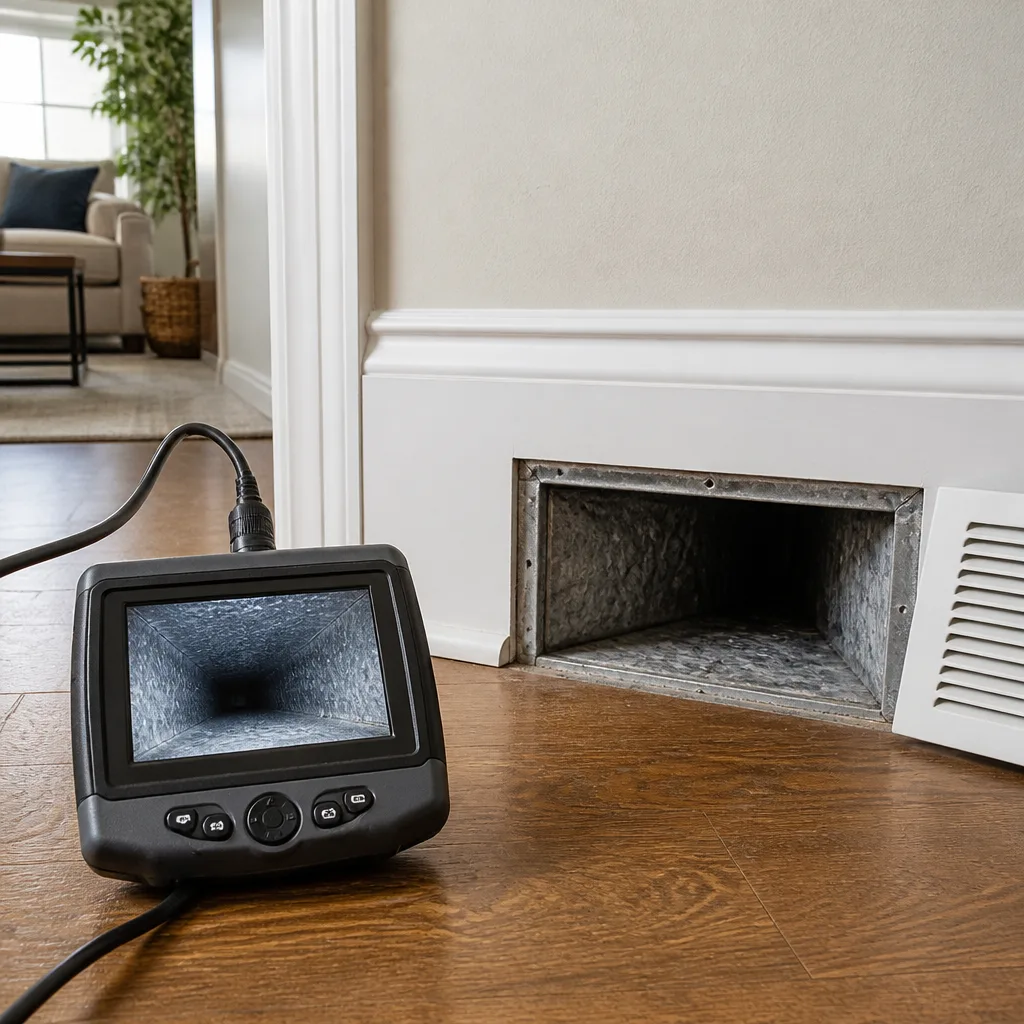 Camera inspection
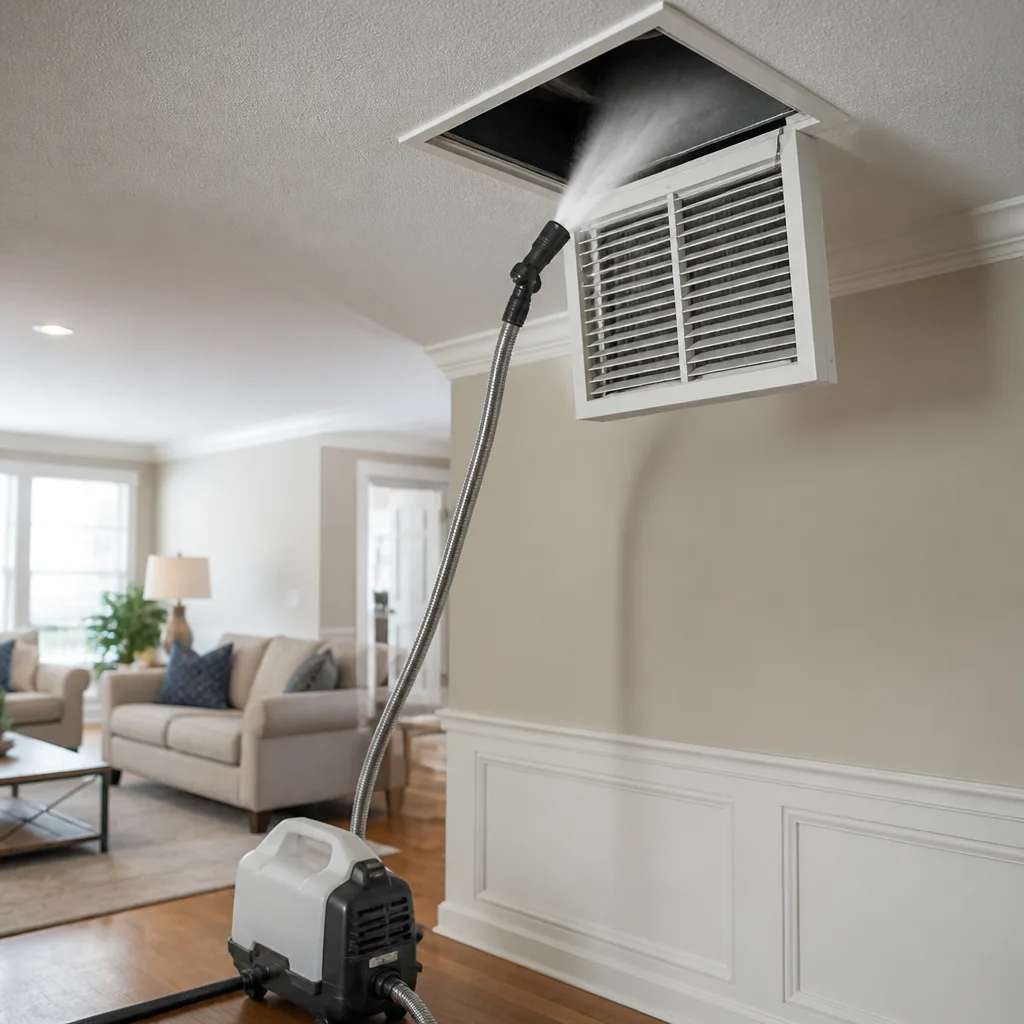 Sanitizing & deodorizing
Whole-system duct and dryer vent check with before-and-after photos - you see exactly what came out of your vents
That "$99 whole-house special" is a bait ad - the real number appears once they are in your hallway, or the "clean" is a shop-vac at the register. We photograph the inside of your ducts before and after instead.
Air Duct Cleaning Cost Breakdown: The Spokane Valley Homeowner’s Reference for 2026
Most duct cleaning quotes you’ll see around Spokane Valley aren’t really quotes. They’re hooks. The number on the postcard or the search ad is set low enough to get a phone call, and the real scope of work doesn’t get described until someone is standing in your hallway with equipment in the van. That’s not a pricing problem. It’s an information problem, and it’s the reason duct cleaning has earned a reputation as one of the least trustworthy trades in home services.
This reference is meant to fix that. We’ll walk through what a legitimate base price actually covers, which variables push a job higher (and which ones shouldn’t), what reasonable add-on services cost, and how to compare two quotes on merit instead of the bottom line. By the end you should be able to read a duct cleaning estimate, spot the missing line items, and know whether you’re looking at a fair price for a Spokane Valley home.
Quick Answer
Whole-home duct cleaning in Spokane Valley typically runs roughly $400 to $600 for straightforward homes, with larger or more complex systems landing in the $500 to $900 range. A real job includes the main trunk lines, the return plenum, and all supply and return vents, with one flat price per system agreed before work starts. Quotes well under $200 almost always reflect a partial clean, a per-vent upcharge, or both.
Styles & brands we work with
- Whole-home duct cleaning
- Dryer vent cleaning
- Camera inspection
- Sanitizing & deodorizing
Table of Contents
- What Drives Air Duct Cleaning Cost in Spokane Valley?
- What a Legitimate Base Price Covers (and What Should Never Be an Add-On)
- How Home Size, Duct Material, and Access Change the Price
- Legitimate Add-Ons and What They Should Cost
- How to Compare Two Quotes for the Same Home
- Why the Cheapest Quote Often Costs More Over Time
- Cleaning vs. Repair: The Cost of Fixing What Cleaning Can’t
- How a Professional Cleaning Actually Works, Step by Step
What Drives Air Duct Cleaning Cost in Spokane Valley?
The honest answer is that four things set the price: square footage, number of vents and returns, duct material, and access. Everything else is either a refinement of those or noise. A 1,200-square-foot ranch with a simple trunk-and-branch layout is a different job than a 2,800-square-foot two-story with two separate HVAC zones and a finished basement, and the price should reflect that difference.
In Spokane Valley specifically, we see a wide spread of housing stock, and the spread matters. Mid-century homes closer to the older downtown core often have sheet metal ducting with mechanical seams and more of it than the square footage would suggest. Newer construction out toward the eastern edges of Spokane Valley frequently uses flex duct runs that are shorter and simpler to clean but far easier to crush or tear if someone moves through them carelessly. Homes with finished basements or additions may have ductwork that was extended rather than designed, which can mean longer runs, awkward transitions, and registers in places a standard cleaning plan doesn’t account for.
Valley climate adds a quieter variable. Spokane Valley sees real seasonal swings and a heating season that runs long, which means the system pushes a lot of air through the same ductwork for months at a time. That’s more accumulation, more opportunity for dust to settle at low points and elbows, and more reason to clean rather than treat it as a once-a-generation event. It’s also why so much of the local market is priced as whole-system work rather than a quick vent vacuum.
What doesn’t drive price fairly:
- The number of floor registers on the main level alone, if returns and the trunk line are excluded.
- A “per vent” rate applied after the truck arrives.
- Unexpected charges for basic access that any competent crew would expect.
What does drive price fairly:
- Whole-system scope, including return ductwork and the plenum at the air handler.
- Duct material and condition (intact sheet metal vs. crushed or disconnected flex).
- Access through an attic, crawlspace, or tight closets.
- Whether repair is needed before cleaning makes sense.
What a Legitimate Base Price Covers (and What Should Never Be an Add-On)
Here’s the simplest test for a duct cleaning quote: does it describe cleaning the whole system, or does it describe cleaning your vents? A base price should cover the full path the air travels, from the return grille back through the return duct, through the air handler compartment, and out through the supply trunk and every branch to each register.
A complete base scope typically includes:
- Inspection of the system before work begins, including a look at the air handler, the main trunk, and accessible branches.
- Cleaning of the main supply and return trunk lines.
- Cleaning of the return plenum and the air handler’s interior surfaces where accessible.
- Cleaning of every supply and return branch and register.
- Debris extraction with a negative-pressure or contact vacuum system.
- Before-and-after photos of your own ductwork, not stock images from a brochure.
Those six items are the job. If any of them is missing from a quote, the quote is for something less than a full cleaning, no matter what the headline says. A crew that cleans registers but skips the trunk line is removing the visible dust, not the reservoir.
What should never show up as a surprise add-on after the crew arrives:
- A charge for “the return side” or “the main line” as a separate line item.
- A per-vent upcharge on a home the quote was supposedly written for.
- A fee to access a standard closet-mounted air handler.
- A “sanitizing” charge applied to the whole system unless it was discussed and approved up front.
We do this work in Spokane Valley with professional-grade Rotobrush and Nikro systems, and the reason that matters to your invoice is simple: the equipment sets the scope. Contact-vacuum and rotary brush tools can do a whole-system clean in a single visit, so there’s no honest reason for a company using real equipment to price the trunk line as an extra. When we quote a Spokane Valley home, the written estimate names the scope and sets one flat price per system, agreed before work starts. That’s the model you should insist on from anyone.
How Home Size, Duct Material, and Access Change the Price
Three variables do most of the legitimate work in moving a price up or down: how big the system is, what it’s made of, and how hard it is to reach.
Home size and system layout
Square footage is a starting point, but the vent count and number of HVAC zones matter more. A 2,000-square-foot home with one system and 14 registers is a different job than a 2,000-square-foot home with two systems and 22 registers. Two-story homes in Spokane Valley often have longer trunk runs and registers that are harder to reach, and homes with finished basements or converted garages can have ductwork that branches in ways the original design didn’t anticipate. Every one of those branches has to be cleaned or the whole-system claim falls apart.
Duct material: sheet metal vs. flex
Sheet metal ducting is durable and cleans well with rotary brush equipment, but it has more seams and joints where debris collects, and older metal systems can be harder to seal. Flex duct is faster to clean when it’s intact, but it damages easily and can’t tolerate aggressive brushing. If a run is crushed, kinked, or has separated at a connection, the honest answer isn’t “clean it anyway.” It’s repair first. That’s a real cost variable, and it’s one reason a legitimate quote may come in higher than a competitor’s: the crew priced the condition of the ducts, not just the count.
Access complexity
Access is the variable homeowners most often don’t think about. A horizontal air handler in a garage or a closet is easy. A system with the main trunk running through a tight attic or a low crawlspace is not, and the difference shows up in labor time. In Spokane Valley, where a lot of homes have some combination of attic and crawlspace ductwork, this is a routine part of quoting a job rather than an exception. A good estimator will look at access before naming a price and won’t discover it mid-job.
Legitimate Add-Ons and What They Should Cost
Add-ons aren’t inherently a red flag. Some are genuinely worth the money and some are padding. The trick is knowing which is which and what a reasonable range looks like before you’re standing in the kitchen being asked to approve one.
Dryer vent cleaning
This one we’d put at the top of the list, and not because it’s a duct cleaning upsell. Dryer vent lint is a real fire risk, and it’s the one part of a home’s venting that most duct cleaners either skip or treat as a throwaway line item. In our experience, homeowners rarely know the last time their dryer vent was cleaned, and they’re often surprised by how much lint a long run can hold. As a rough sense of scale, add-on dryer vent cleaning usually falls in the low hundreds at most, and it’s frequently bundled with a whole-home duct clean when scheduled together. Lockhart Air Duct Cleaning treats dryer vent cleaning as a dedicated service rather than an afterthought, which is the standard you want.
Sanitizing treatment
An antimicrobial or sanitizing fog is a reasonable add-on when there’s a specific reason for it: a moisture event, pest activity, smoke odor, or a system that’s been sitting unused. It is not something every home needs. Expect a modest add-on charge, and be skeptical of anyone who insists it’s mandatory. Ask what problem it’s solving. If the answer is “everyone gets it,” that’s a sales script, not a recommendation.
Duct sealing and repair
This is where the real value-add lives, and it’s also where cheap operators bow out. Sealing leaky joints and repairing crushed or disconnected runs improves airflow and lets your system deliver the air it’s already paying to condition. On a home with significant leakage, sealing can be one of the more consequential upgrades you make to the HVAC system. Pricing depends heavily on the amount and accessibility of the work, so it should be quoted separately and specifically, never as a flat “sealing” line.
Filtration and air quality upgrades
A whole-home media filter or a higher-MERV setup is a legitimate upgrade, particularly for households with allergy concerns or pets. We’re authorized to work with Honeywell, Aprilaire, Abatement Technologies, and Guardsman product lines, and one practical advantage of combining this with a cleaning visit is that you’re not hiring a second company to finish the job. That said, an upgrade should be recommended because your system and household call for it, not because it’s on a laminated menu.
- Base whole-home duct cleaning: roughly $400 – $600 typical, up to $900 for larger or more complex systems.
- Add-on dryer vent cleaning: typically a modest additional charge, often bundled.
- Sanitizing treatment: modest add-on, best reserved for a specific concern.
- Duct sealing or repair: quoted per job based on scope and access.
- Filtration or purification upgrade: quoted per system and equipment selected.
Those are estimates for planning, not a menu. The written estimate for your home sets the final price, and it should name every line item before anyone picks up a tool.
How to Compare Two Quotes for the Same Home
Comparing duct cleaning quotes is difficult because no two companies describe the same job the same way. One writes “whole house duct cleaning, 12 vents, $199.” Another writes a paragraph about trunk lines, plenum, return side, and access. They sound like different products because they are. The way to force an apples-to-apples comparison is to ask a set of questions that can’t be answered with a brochure.
- Does the price include the main trunk lines, both supply and return? If the answer is no or “that’s extra,” the quote isn’t for a whole-system clean.
- Is the return plenum at the air handler included? This is where a substantial share of the accumulated debris sits, and it’s commonly left out of cheap quotes.
- Is the price per system or per vent? One flat price per system, agreed before work starts, is the model that protects you.
- What equipment will actually be in my driveway? Ask for a brand or a type. The answer tells you whether you’re getting professional-grade contact vacuum and rotary brush equipment or a shop vac and a hose.
- Will I get before-and-after photos of my own ducts? Not stock photos. Yours.
- What happens if you find a crushed or disconnected run? A company that can repair it will price the repair honestly. A company that can’t will either ignore it or charge you a cleaning anyway.
- Are there any charges not listed on this estimate? Get the answer in writing. “None” is the only acceptable response.
Run both quotes through those seven questions and the difference usually becomes obvious. One of them will have answers. The other will have sales language.
Why the Cheapest Quote Often Costs More Over Time
A partial cleaning is worse than no cleaning in one specific way: it feels done. The visible dust on the register disappears, the house smells a little fresher for a week, and the underlying reservoir in the trunk line and return plenum keeps feeding the system. Then the filter loads up faster than it should, and the homeowner replaces it more often without knowing why. In our experience, that’s the hidden cost of a bargain duct cleaning, and it doesn’t show up on any invoice.
The mechanism is straightforward. A dirty system pushes more particulate into the filter, the blower, and the evaporator coil. Filters clog sooner, airflow drops, and the system works harder than it needs to. None of that is catastrophic on its own, but it compounds over a heating season in a climate that asks a lot of its HVAC equipment. If a cut-rate clean gets repeated every year or two because “it never seems to last,” the homeowner has spent more than a single thorough cleaning would have cost.
There’s a second cost that’s harder to see: incomplete cleaning leaves behind conditions that get worse. A disconnected flex run doesn’t reconnect itself. A crushed section doesn’t straighten out. A leaky joint keeps leaking. A company that only cleans can’t address any of it, so the homeowner ends up calling a second company later and paying for the same access twice. That’s why we offer air duct cleaning and repair under one roof, with the same professional-grade equipment used by commercial contractors brought into residential homes. One visit to clean, repair, and upgrade is cheaper than two visits that each miss half the problem.
Cleaning vs. Repair: The Cost of Fixing What Cleaning Can’t
Not every duct problem is a dirt problem, and treating a structural issue as a cleaning job is how homeowners end up frustrated. Before you book a cleaning, it’s worth knowing what the system looks like and what cleaning can actually fix.
Cleaning handles accumulation: dust, debris, pet hair, and the general settling that happens over years of moving air through the same ductwork. Repair handles the things cleaning can’t touch.
- Disconnected or separated runs. A joint that’s come apart leaks air into a crawlspace or attic instead of into the room. Cleaning a disconnected run doesn’t fix the disconnect.
- Crushed or kinked flex duct. Flex that’s been stepped on, sagged, or pinched restricts airflow. It needs to be replaced or rerouted, not brushed.
- Leaky joints and poorly sealed trunks. Leakage wastes conditioned air and makes the system work harder than it should. Sealing is the fix.
- Contaminated or damaged interior liner. Some duct types have interior surfaces that can degrade over time and need to be addressed rather than cleaned.
The practical point: ask your estimator to look at the system before quoting, and to tell you plainly if repair is needed. A quote that assumes cleaning will fix everything is a quote that might not survive contact with your attic. We don’t just clean your ducts, we inspect and repair them, and that’s the difference between a house that gets cleaner and a system that actually works.
How a Professional Cleaning Actually Works, Step by Step
Knowing what a real cleaning looks like is the best defense against a bad one, because you can watch and see whether the steps happen. Here’s what a legitimate whole-system cleaning involves, and what you should be able to observe in your own home.
- Walkthrough and inspection. The technician looks at the air handler, the trunk lines, the return side, and accessible branches, and confirms the scope against the estimate before starting. Any new finding gets discussed with you before work continues.
- Setup and protection. Floor protection, corner guards where needed, and a plan for keeping debris contained. A crew that doesn’t protect your floors before starting is telling you something.
- Negative pressure or contact vacuum connection. The main line is connected to a HEPA-filtered vacuum system so loosened debris is captured rather than redistributed into the house.
- Trunk line cleaning. Rotary brush and air tools work the main supply and return trunks, breaking loose accumulated debris and moving it toward the vacuum.
- Branch and register cleaning. Each supply and return run is cleaned back to the register, with the register itself removed, cleaned, and reinstalled.
- Plenum and air handler surfaces. Accessible interior surfaces of the air handler and return plenum are cleaned, which is the step most cheap quotes skip.
- Final visual check and photos. Before-and-after photos of your ductwork, reviewed with you before the crew leaves.
If a crew shows up, cleans the registers in 20 minutes, and leaves, none of the above happened. That’s not a cleaning. It’s a demonstration.
One safety note worth stating plainly: anything involving the air handler, the blower, or the electrical connections to the HVAC system is a job for a trained technician. Don’t open the air handler compartment or reach into the ductwork yourself to “check” on progress, and don’t attempt to disassemble or reconnect duct runs on your own. If a run looks loose or crushed, flag it and let a professional handle it.
Common Mistakes to Avoid
- Booking on the number alone. A quote that doesn’t describe the scope of work isn’t a quote, it’s a starting point for a conversation you’ll have in your hallway. Ask what’s included before you book, every time.
- Assuming “per vent” pricing is normal. Per-vent pricing is how companies quote the visible part of the job and upcharge the rest. Ask for one flat price per system, agreed before work starts.
- Not asking about the return side. The return plenum and return ducts hold a significant share of the debris, and they’re the most commonly omitted line item in cheap quotes in Spokane Valley.
- Skipping the dryer vent. It’s a separate system with a real fire-safety dimension, and most homeowners can’t remember the last time it was cleaned. Bundle it with the duct cleaning and get it done.
- Cleaning ducts that need repair first. If a run is disconnected or crushed, cleaning it accomplishes nothing. Ask for an inspection before any cleaning work begins.
- Accepting stock before-and-after photos. Those photos in the brochure aren’t your ducts. Ask for images of your own system, taken during your visit.
- Waiting until there’s a visible problem. By the time dust is visibly blowing from a register, the system has been accumulating for a long time. Routine cleaning is cheaper than reactive cleaning plus repair.
See the difference
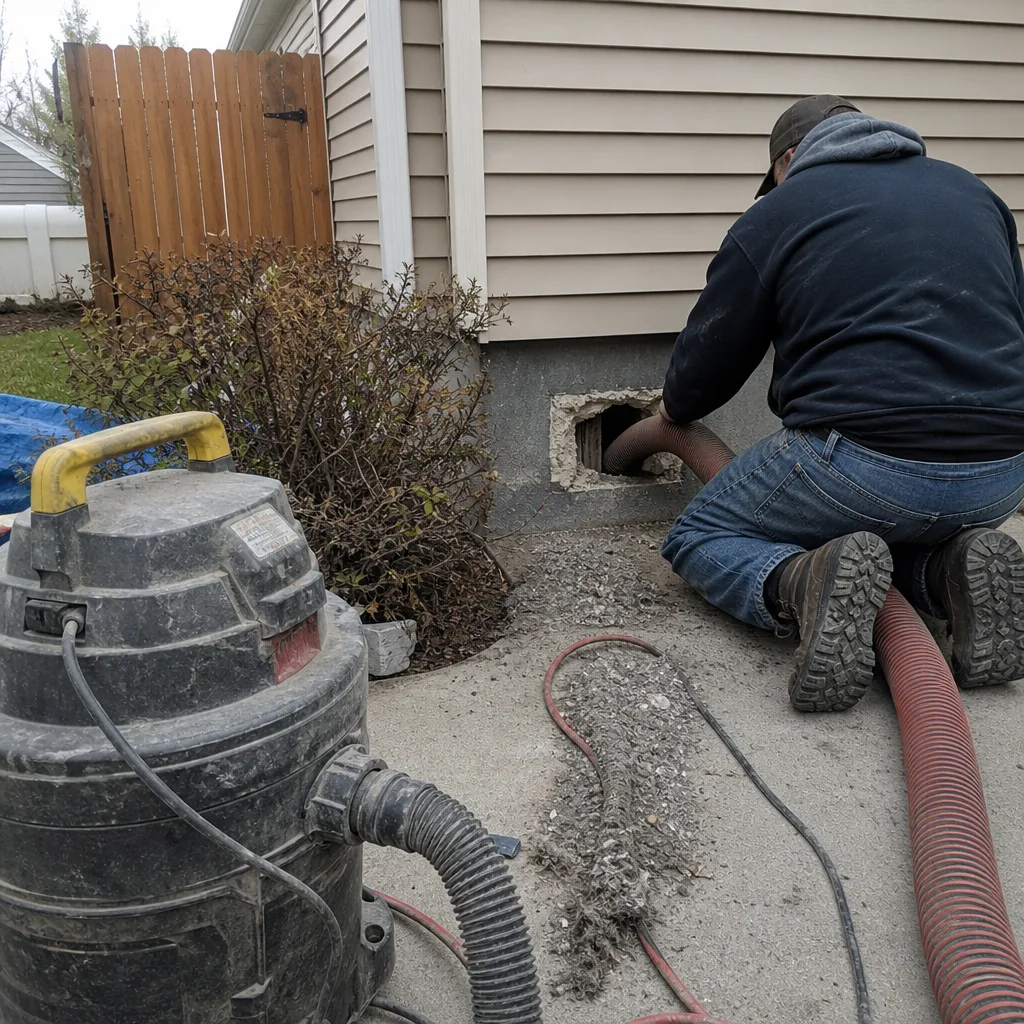 Before
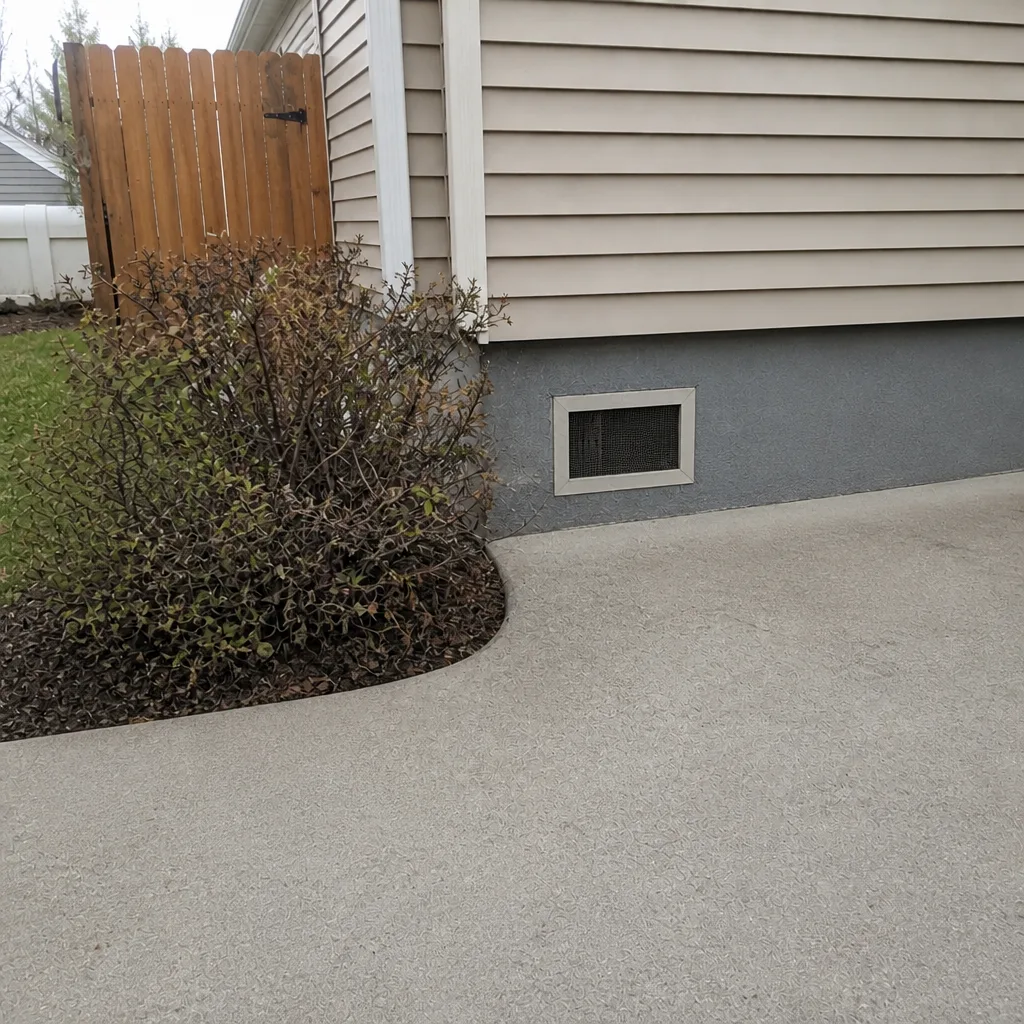 After
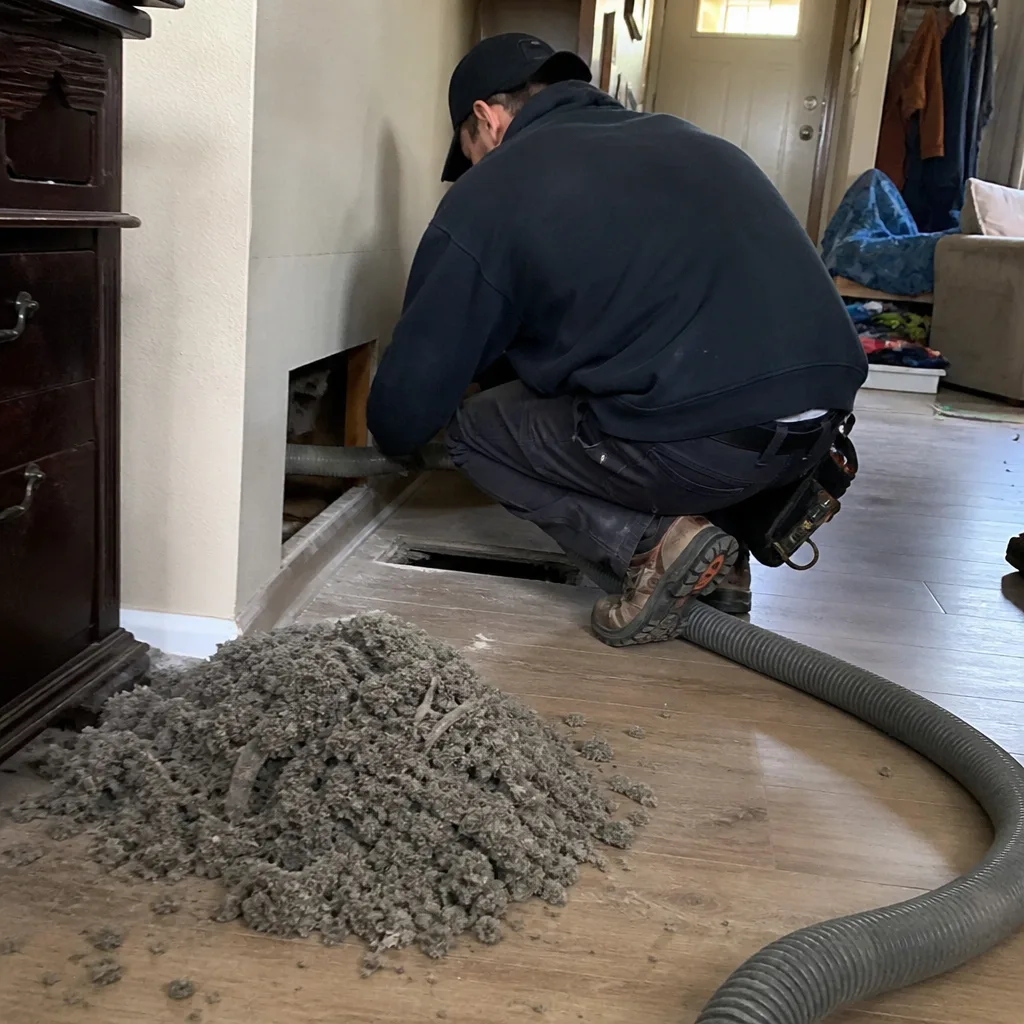 Before
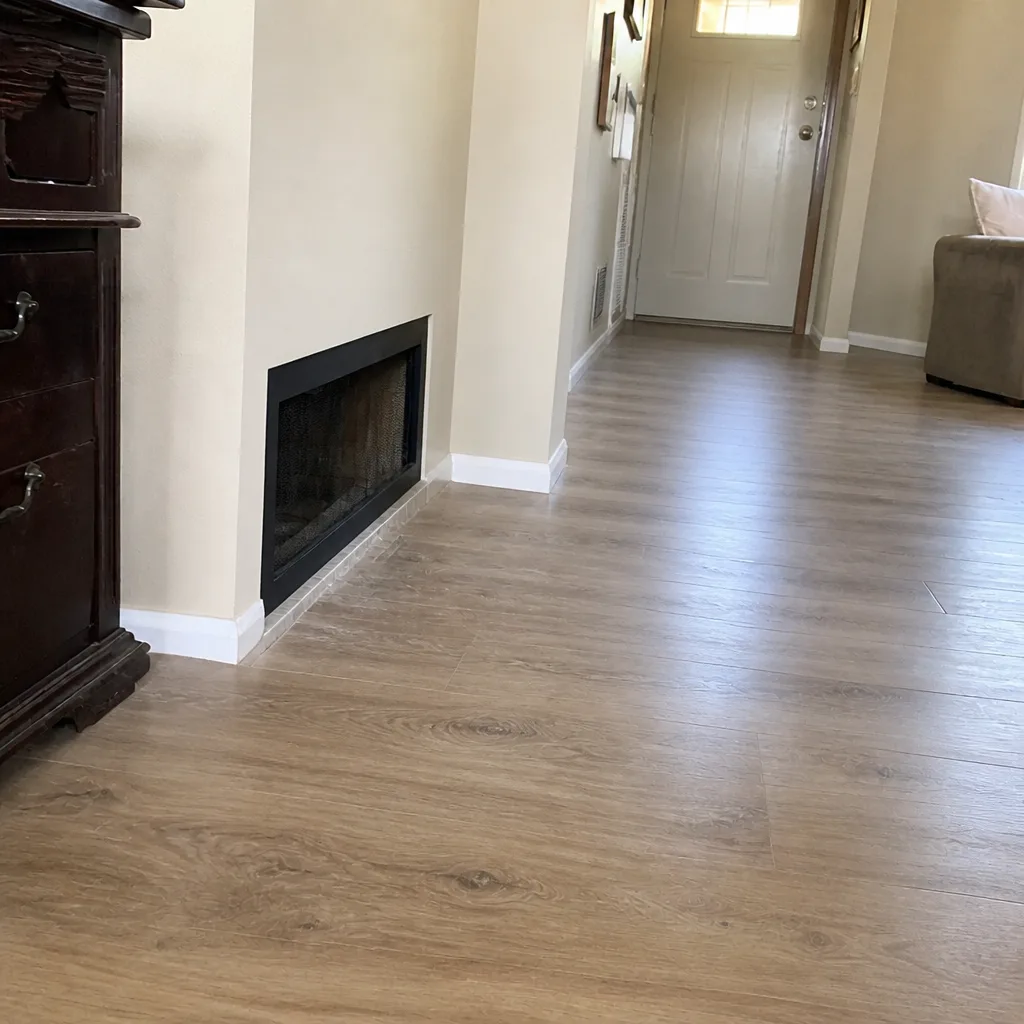 After
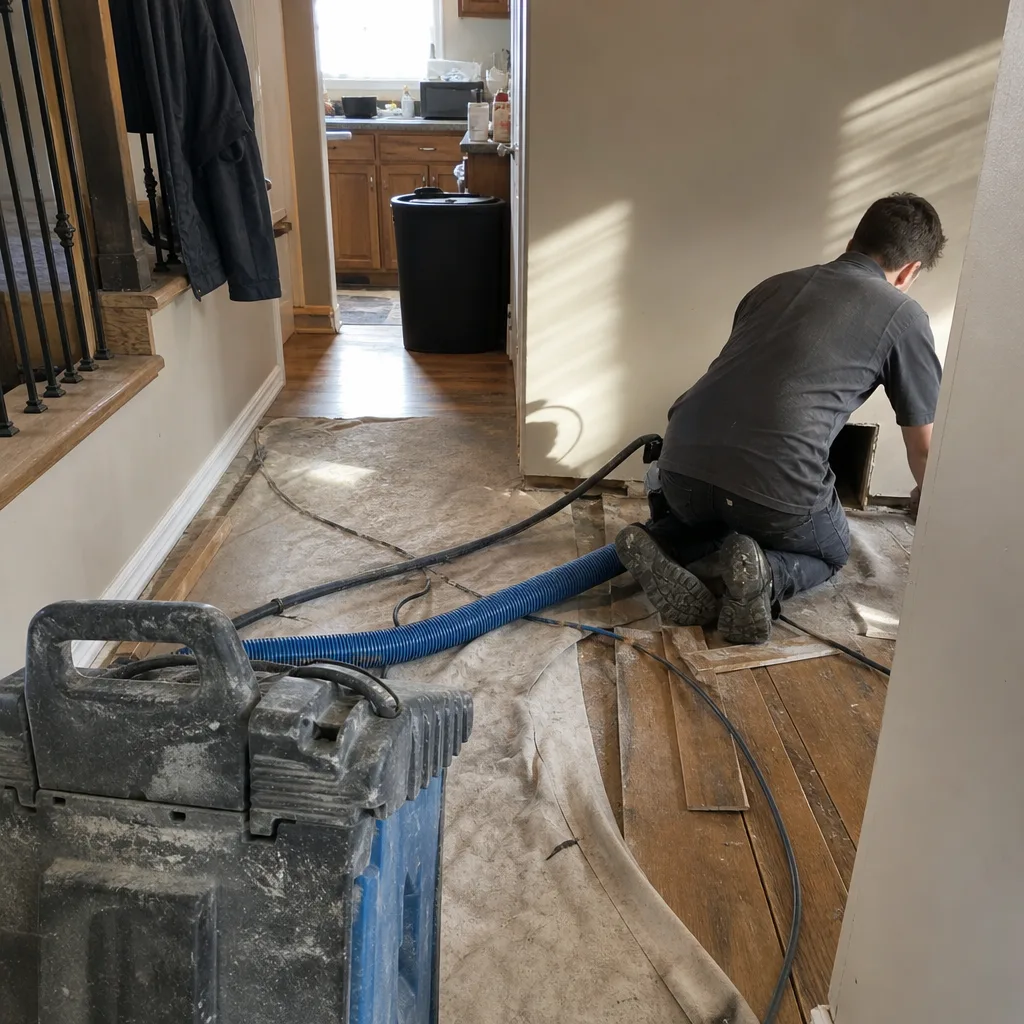 Before
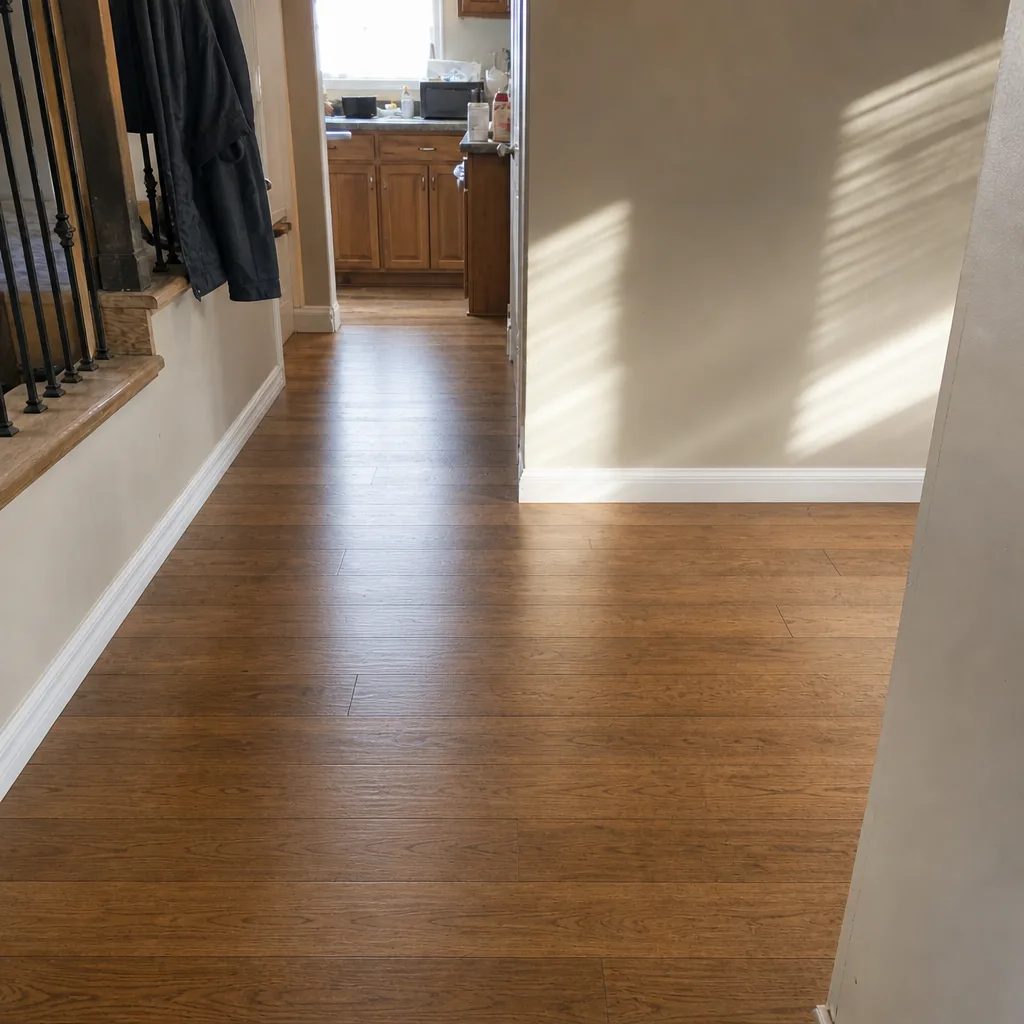 After
When to Call a Professional
Some signs point to a duct cleaning, some point to a repair, and some point to both. Call a professional if you notice visible dust or debris blowing from registers when the system starts, if the house smells musty when the heat comes on, if you’ve had a moisture event or pest activity in the ductwork, or if it’s simply been a long time and you don’t know the history. Call sooner if you suspect a disconnected or crushed run, because that’s a repair question that gets worse with time. And call for the dryer vent if you can’t remember the last time it was cleaned. Lockhart Air Duct Cleaning offers free estimates in Spokane Valley. Call (844) 352-9945. We answer 24/7. Fast dispatch from 7am to 7pm, Sunday through Friday.
Frequently Asked Questions
Whole-home duct cleaning in Spokane Valley typically runs roughly $400 to $600, and larger or more complex systems commonly land between $500 and $900. The estimate should name the scope (trunk lines, return plenum, all registers) and set one flat price per system before work starts. Call (844) 352-9945 for an exact quote. Estimates are free.
Because they’re quoting a smaller job. A very low headline price usually covers the visible registers only, with the trunk lines and return plenum either excluded or sold as add-ons once the crew is in your home. The scope of work is what you’re comparing, not the number. Call (844) 352-9945 and we’ll walk you through exactly what a whole-system clean includes for your home.
Ask for before-and-after photos of your own ductwork, taken during your visit, and ask the technician to walk you through what was cleaned and what condition it was in. A crew that did the full job can show you. One that didn’t usually can’t. Call (844) 352-9945 with any questions before or after your service.
For most Spokane Valley homes, every few years is a reasonable rhythm, and households with pets, allergy concerns, recent remodeling, or a long heating season can benefit from a bit more often. There’s no single rule that fits every home, so it’s worth asking during an inspection. Call (844) 352-9945 to talk through your system.
Yes, and it’s worth doing even as a standalone service. Dryer vent lint is a documented fire risk, and it’s a system most homeowners never think about until there’s a problem. Adding it to a scheduled duct cleaning visit is the practical way to get it handled. Call (844) 352-9945 to include it in your estimate.
That’s a repair conversation, not a cleaning one. A crushed, disconnected, or badly leaking run won’t be fixed by cleaning it, so a good estimator flags it and prices the repair separately before any work continues. Lockhart Air Duct Cleaning handles both, so you’re not left coordinating a second company. Call (844) 352-9945 to discuss what you’re seeing.
The Bottom Line
The price gap between a cheap duct cleaning quote and a fair one in Spokane Valley comes down to scope, equipment, and whether the company can fix what it finds. A legitimate whole-home clean runs roughly $400 to $600 for a typical home, includes the trunk lines, return plenum, and all registers, and comes with one flat price agreed before work starts. Dryer vent cleaning, sanitizing, sealing, and filtration upgrades are legitimate add-ons with legitimate costs, and they should be discussed up front. Compare quotes on the seven questions above, ask for photos of your own ducts, and treat any price that doesn’t describe the work as a starting point rather than an answer. That’s how you get a system that’s actually clean instead of one that just looks that way.
Written by the team at Lockhart Air Duct Cleaning, serving Spokane Valley since 2016.