
Last updated November 14, 2026
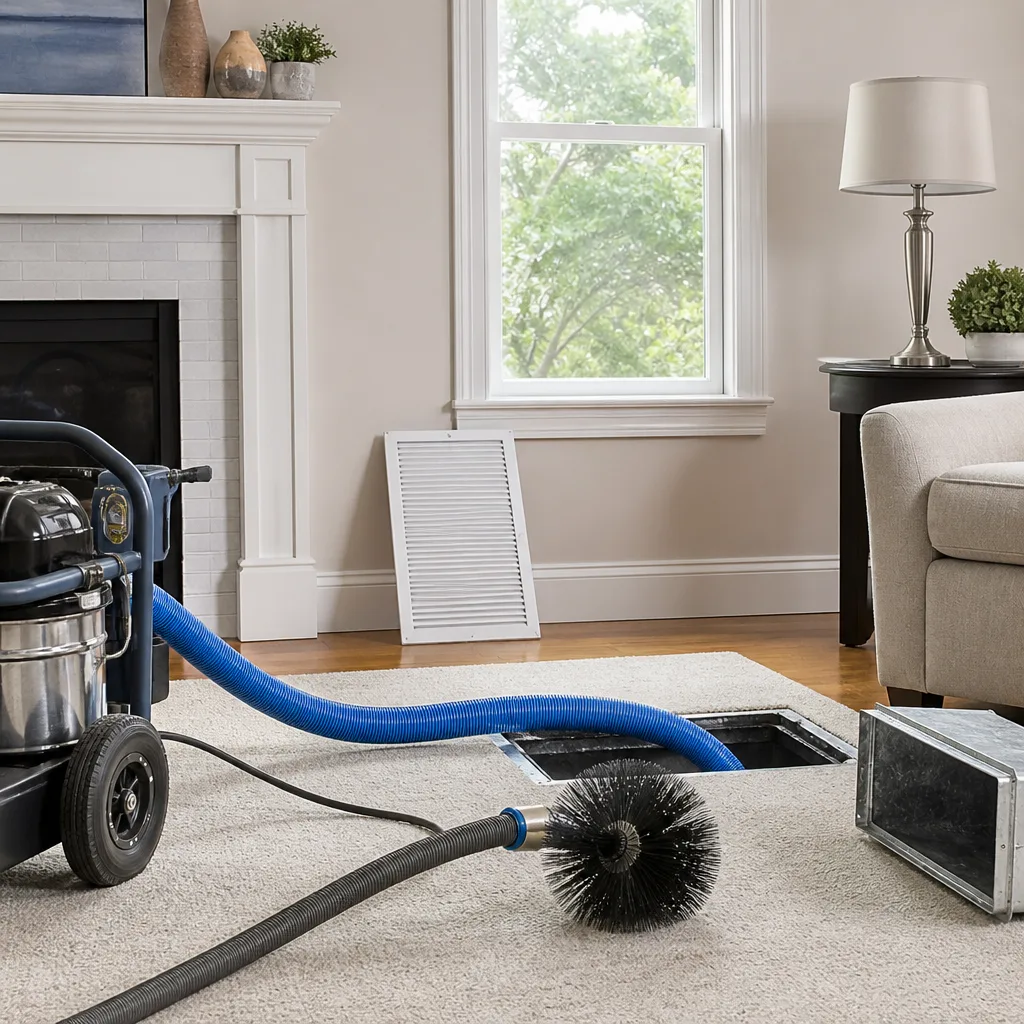 Whole-home duct cleaning
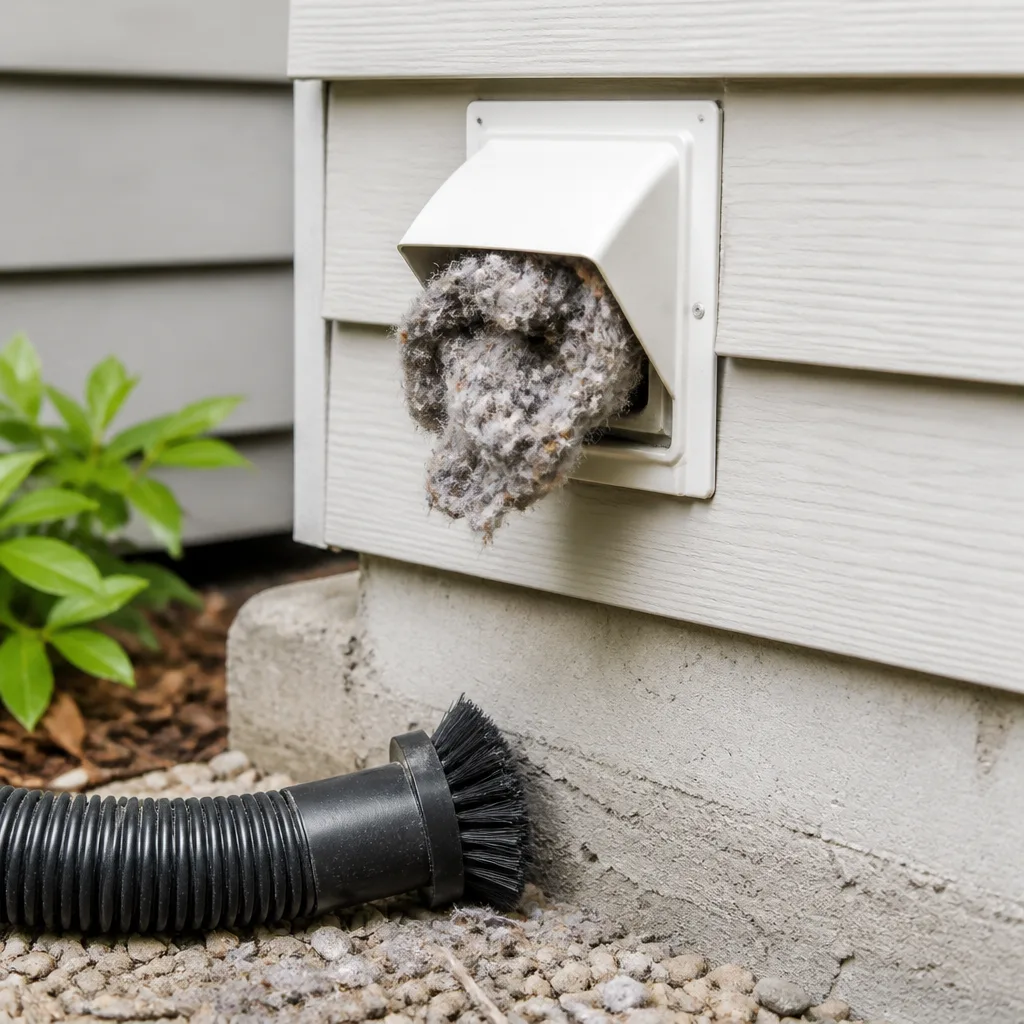 Dryer vent cleaning
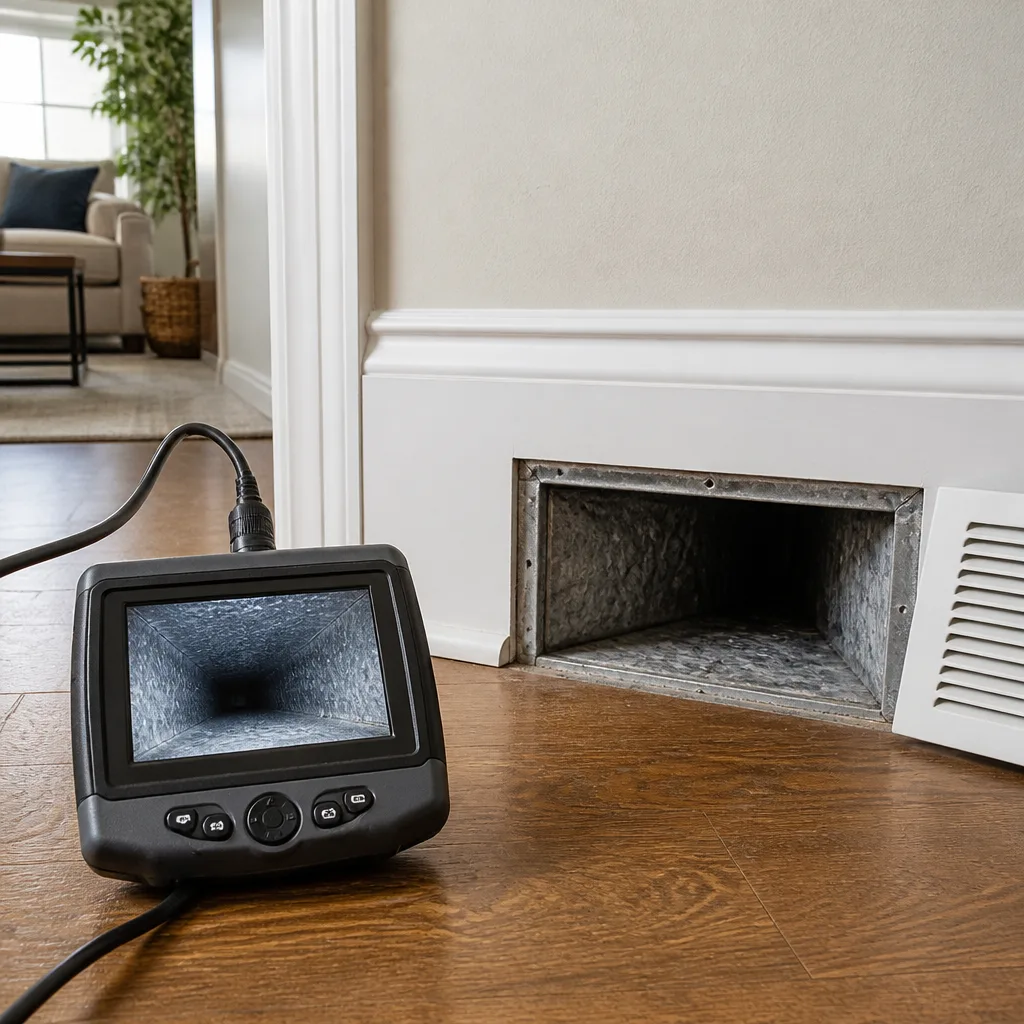 Camera inspection
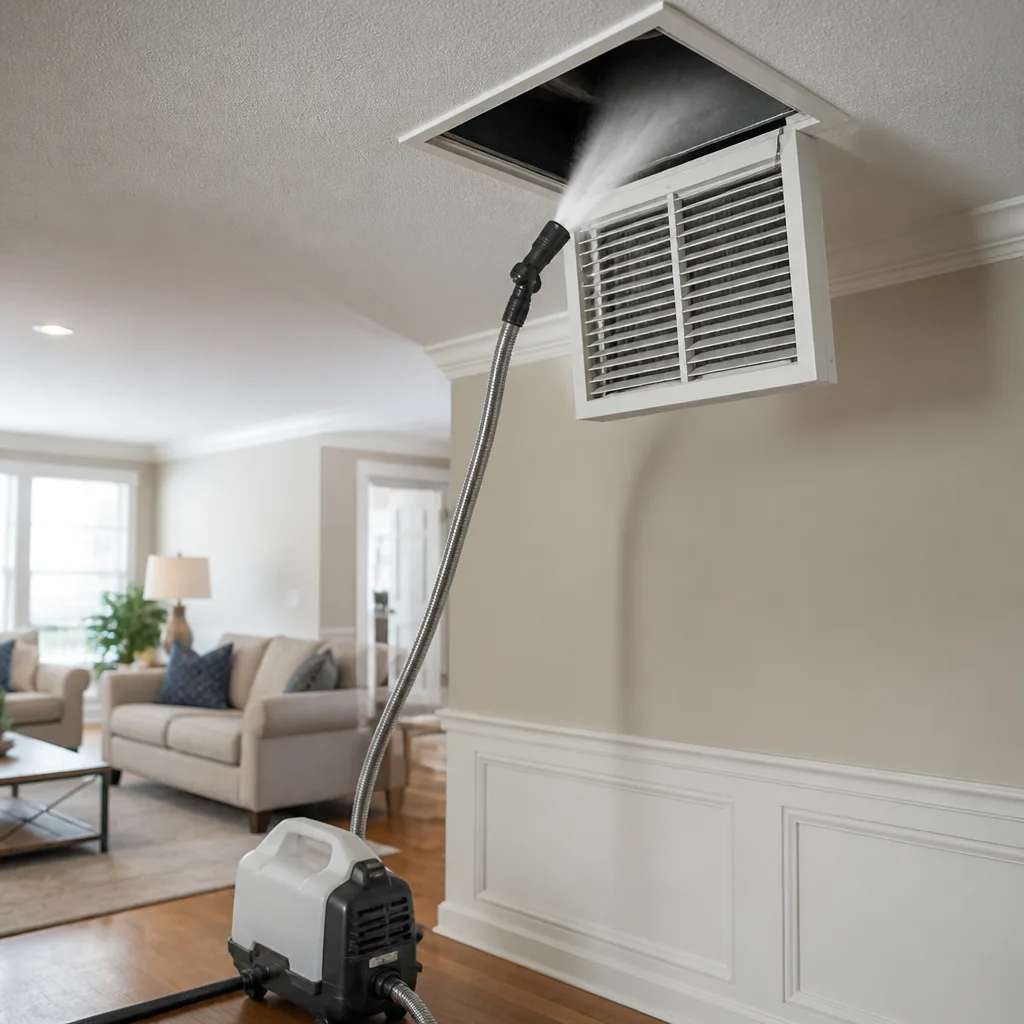 Sanitizing & deodorizing
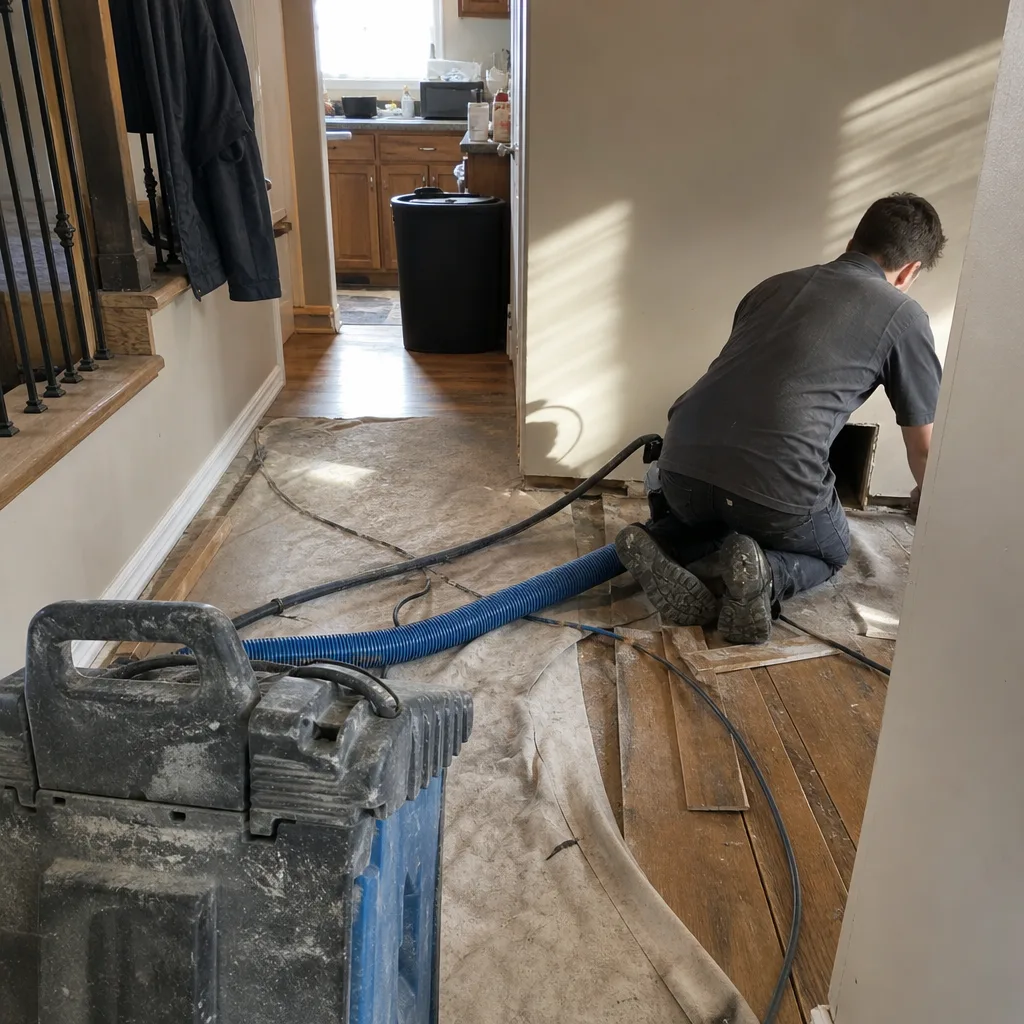
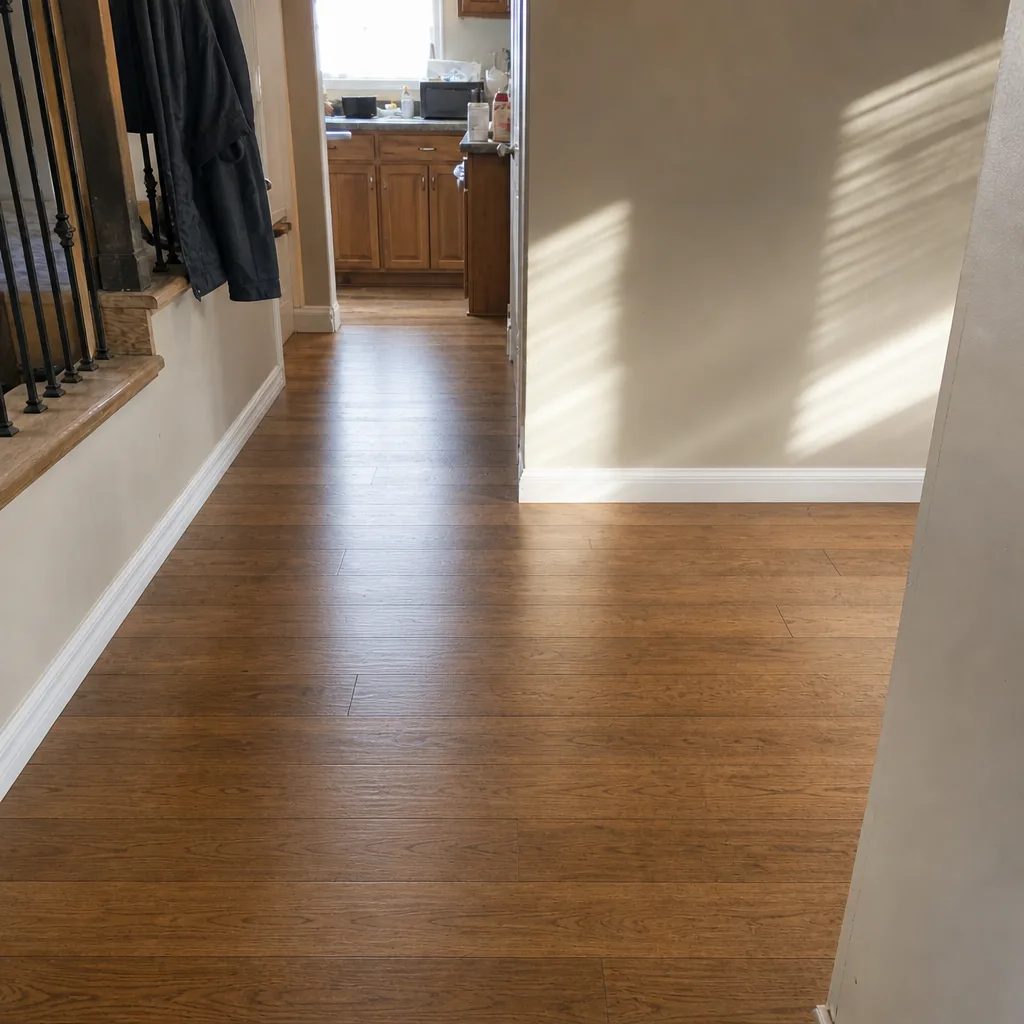
Whole-system duct and dryer vent check with before-and-after photos - you see exactly what came out of your vents
That "$99 whole-house special" is a bait ad - the real number appears once they are in your hallway, or the "clean" is a shop-vac at the register. We photograph the inside of your ducts before and after instead.
Air Duct Cleaning Warning Signs: A Spokane Valley Homeowner’s Reference Guide
If you’re noticing more dust on surfaces two days after cleaning them, the problem probably isn’t your cleaning routine – it’s what your HVAC system is redistributing every time the blower kicks on. Most homeowners blame their vacuum, their furnace filter, or the open window. In Spokane Valley, that assumption costs people months of symptoms they could have caught early. We wrote this guide to help you read the subtle signals – the ones that don’t look like a duct problem at first – and know when they mean cleaning, repair, or both.
Quick Answer
The main warning signs of a duct system that needs attention are visible dust reaccumulating within a day or two of cleaning, dust plumes or discoloration at registers, rooms that won’t heat or cool evenly, musty odors that appear only when the furnace runs, and visible moisture staining on boots or grilles. If you see any of these, the system warrants a professional inspection before you assume it’s just your cleaning habits.
Styles & brands we work with
- Whole-home duct cleaning
- Dryer vent cleaning
- Camera inspection
- Sanitizing & deodorizing
Table of Contents
- Dust That Comes Back: A Simple Test to Tell Duct Recontamination from Normal Dust
- Uneven Room Temperatures: When the Problem Isn’t Your Furnace
- Musty Odors That Show Up When the Furnace Kicks On
- What’s Happening at the Registers and Boots
- Wildfire Smoke Season: A Spokane Valley-Specific Warning Sign
- When a Warning Sign Means Repair, Not Just Cleaning
- Don’t Forget the Dryer Vent
- Common Mistakes to Avoid
Dust That Comes Back: A Simple Test to Tell Duct Recontamination from Normal Dust
Normal household dust settles slowly. You wipe a surface and it stays clear for several days, then builds a fine film. Duct-driven dust behaves differently: it appears fast, it appears in patterns, and it often appears in rooms that aren’t the ones you actually use the most. If you’re dusting the same shelf every other day in Spokane Valley, the source isn’t your cleaning schedule.
The Surface Test
Here’s a test you can do in ten minutes without any equipment.
- Pick a room that isn’t high-traffic – a spare bedroom or hallway works well.
- Wipe a horizontal surface completely clean with a damp cloth. Let it air dry.
- Check it again in 48 hours. If it’s dusty again, the dust was airborne and the system delivered it.
- Repeat in a second room that sits on a different part of your HVAC layout. If one surface is dusty and the other isn’t, that points to a specific run with a leak or debris issue.
That last part matters. Dust that reappears only in one room tells you something different than dust everywhere. A single affected room points at a boot that’s not sealed properly, a flex run with a tear, or debris sitting in the last few feet of supply duct feeding that room. Dust returning in every room points at contamination in the main trunk line or a blower that’s pulling from a compromised return path.
Why This Happens in Spokane Valley Homes
Most Spokane Valley homes run their HVAC systems hard through the cooling season and then switch to heating without a break. That’s roughly nine months of continuous airflow through the same ductwork, pulling dust, construction debris, and whatever’s tracked in from the yard. Older construction in neighborhoods near the Spokane River often has original duct runs with joints that have loosened over decades of temperature swings. The system doesn’t fail loudly, it just starts moving dust it should have been catching.
What to Check During the Test
- Look at the air filter at the same time. A filter that’s clogged or the wrong size lets dust pass straight into the ductwork.
- Check whether the dust is gray and fine (typical house dust) or darker and grittier (debris from inside the duct system).
- Note whether the dust appears right after the blower runs longer – that’s a strong signal.
If the test points toward the system, the next step is having the duct interior looked at. Cleaning addresses surface contamination, but if the source is a torn run or a separated joint, the problem returns. That’s why we pair air duct cleaning with an inspection in the same visit – it’s the only way to know whether you’re resolving the issue or just managing it.
Uneven Room Temperatures: When the Problem Isn’t Your Furnace
A room that’s consistently three to five degrees off from the rest of the house gets blamed on the furnace, the thermostat, or the house itself. Most of the time the equipment is fine. Uneven temperatures in Spokane Valley homes trace back to ductwork far more often than to a furnace that’s underperforming – the equipment is pushing the air, but the air isn’t arriving.
Leakage vs. Blockage
These feel similar from inside the house but point at different fixes.
- Leakage: air escaping through loose joints, unsealed boots, or damaged flex duct before it reaches the room. The room stays cool in winter and warm in summer because it’s getting a fraction of the air it should.
- Blockage: debris, a collapsed run, or a damper that’s stuck causes restricted flow. The room gets less air, and sometimes no air at all.
Both produce uneven temperatures. Both also waste energy, because the system runs longer trying to satisfy a thermostat that can’t get an accurate read on the house. If your furnace is cycling more than it used to, don’t start with a furnace replacement quote – start with a look at the duct system.
How We Tell Them Apart
A proper inspection looks at the duct interior and at the joints. Loose connections, disconnected runs, and crushed sections are visible. Debris accumulation at the start of a trunk or at the base of a boot is visible. Blockages that start outside the visible duct, like at the outdoor unit or in the return, need a careful look at the whole airflow path. This is where professional-grade equipment matters – a camera and a proper vacuum system see things a flashlight from the register can’t.
The Spokane Valley Cold-Climate Factor
During a Spokane Valley winter, your system pulls cold return air from the house and pushes heated air through the ducts. If those ducts leak, the heated air is escaping into the attic, crawlspace, or building cavity instead of reaching the room. The furnace works harder, the room stays cool, and your energy bill climbs. Leaky supply ducts in cold weather are one of the most expensive quiet problems a home can have. Blocked or leaking ducts don’t fix themselves with a new thermostat, and they don’t show up on a standard heating tune-up unless the technician is looking specifically at the air distribution side.
Musty Odors That Show Up When the Furnace Kicks On
A musty smell that appears only when the heat runs is one of the clearest duct-interior signals a homeowner can catch. The odor timing is the diagnostic clue. If a room smells musty all the time, that’s a moisture problem in the room. If a room smells musty specifically when the furnace runs, then fades when it cycles off, the smell came through the duct system.
What Produces That Smell
- Moisture that has condensed inside the duct system and stayed there.
- Dust and debris that has collected at a boot or grille and taken on a damp, organic smell.
- Contamination at the evaporator coil or in a section of duct that sees more humidity than the rest of the system.
- Rodent debris inside a run – common in any home that has had attic or crawlspace access at some point.
The reason it only shows up when the furnace runs is simple: warm air holds more moisture, and it picks up the odor as it travels through affected ductwork, then delivers it into the room. Once the blower stops, the source is still there but isn’t being delivered.
What to Check Before Scheduling
Look for condensation near the registers, or a toilet or bathroom exhaust that terminates too close to a return. Older Spokane Valley homes with original exhaust routing are worth a careful look. A quick visual check at each register keeps this simple: any dark staining, soft texture on the drywall around the grille, or water marks is worth flagging to whoever inspects the system.
Why Cleaning Alone Might Not Fix It
If the moisture source isn’t corrected, cleaning the duct will buy you a few weeks of fresher air and then the smell returns. That’s the honest part of this work most people don’t hear about. Cleaning removes the contamination; correcting the moisture path – whether that’s a damaged boot, a compromised connection, or an exhaust routing issue – stops it from coming back. We handle both as part of the same visit because a clean duct over an active moisture source is a short-term fix.
What’s Happening at the Registers and Boots
Registers and boots are the part of the duct system you can actually see, which makes them the most useful diagnostic surface in the house. Here’s what different signs mean.
Discoloration and Streaking
Black or gray streaks radiating from the edges of a register, or a dark haze on the ceiling immediately around the grille, indicate that air is carrying fine debris from inside the duct and depositing it at the point of delivery. This is what dust-laden air looks like when it hits a surface at speed. A clean register reflects a clean system because the air coming through it has nothing to deposit.
Visible Debris at the Grille
Look through the register slats with a flashlight. Visible fuzz, dust clumps, hair, or cobweb-type growth on the grille or the first few inches of the boot is a clear sign of accumulation deeper in the system. One dusty grille might mean a housekeeping issue. Dust on every grille means the system is feeding it.
Moisture Staining
Water marks on the drywall or ceiling around a grille – rings, discoloration, or a slightly soft texture to the surrounding material – are a moisture signal. Moisture in ductwork is often not from a roof leak; it can come from condensation, a compromised boot connection, or a cold-weather cold spot. What any water mark tells you is that the duct system’s condition isn’t just a dust issue anymore.
Pest Evidence
Droppings or debris around a boot where the duct meets the register, or the smell of rodent activity near a particular register, is worth taking seriously. Rodent activity in ductwork isn’t just a hygiene issue; it’s a sign the duct system has open joints or a compromised run.
Visible Gaps and Loose Connections
Anywhere a register meets the drywall or floor, look for gaps where air could escape. A boot that isn’t sealed properly, or flex duct that’s visibly torn or disconnected near the register, is a straightforward repair issue that surface cleaning won’t touch. These are the most common visible repair findings when we’re in a Spokane Valley home, and they frequently explain both the dust and the uneven heating the homeowner noticed first. If you’re seeing any of this at more than one register, schedule a proper air duct cleaning with an inspection built in rather than a standalone vacuum job.
Wildfire Smoke Season: A Spokane Valley-Specific Warning Sign
Spokane Valley sits in a valley with surrounding terrain that can trap smoke during fire season. When smoke rolls in, the outdoor air quality drops, and your HVAC system becomes the main defense between your family and that air. If your ductwork is compromised during a smoke event, you feel it fast.
What Smoke Season Exposes
- Leaks in your duct system let unfiltered outdoor air bypass the filter and enter the system.
- A compromised filter housing or a return path that isn’t sealed lets fine smoke particles into the ductwork.
- Ducts that are already contaminated with dust give smoke particles a surface to stick to, which extends the odor after the smoke event has passed.
If the smell inside your home stays smoky for days after the outdoor air clears, that’s a duct signal. The smoke entered the system during the event and stayed on the interior surfaces. Cleaning is how you get that out; a proper look at the leakage points is how you prevent the next event from reaching you the same way.
What We Recommend Before Smoke Season
- Check the air filter and change it if it’s loaded. A filter that’s already full can’t catch smoke.
- Look at every register in the house for gaps where outside air could bypass the system.
- Have the duct system inspected for leaks at joints and boots, since any leak is a path for smoke.
- Talk through filtration options with whoever inspects the system. A higher-MERV filter that’s sized correctly for the system moves air efficiently and catches more of what’s in it.
Filtration upgrades we install during a cleaning visit come from product lines like Honeywell and Aprilaire – equipment that’s meant to be part of the air system rather than a filter you swap at the hardware store. Getting the right fit matters more than the brand name on the box: an oversized filter can cut airflow and create the temperature imbalance you were trying to fix. We size the filtration to the system.
When a Warning Sign Means Repair, Not Just Cleaning
Cleaning is the answer when the duct system is intact and contaminated. Repair is the answer when the system has a structural problem. The two are related; cleaning a broken system doesn’t resolve the problem because the source of contamination is still open.
Signs You Need a Repair Assessment First
- A register that puts out almost no airflow compared to the others.
- Visible tears, disconnections, or crushed sections of flex duct.
- Ductwork that has come loose from a boot or a trunk connection.
- Rodent damage to duct insulation or duct material.
- Uneven temperatures that show up after a recent renovation or roof work.
- Condensation or water staining around a boot or trunk connection.
Any of these is a signal that the system isn’t intact and needs structural attention before a straight cleaning will hold. It’s the difference between needing a dryer vent cleaning (a maintenance job) and needing duct repair (a correction job). Same house, different type of work.
Why We Can Do Both
Most duct cleaning companies clean and leave. If they find a torn run or a loose trunk connection, they refer you elsewhere. We handle the repair as part of the same service because Lockhart Air Duct Cleaning works as an air-duct repair company alongside the cleaning side. When a homeowner has been chasing uneven heating and recontamination for months, the fix usually isn’t more cleaning. It’s finding the leak, correcting it, and then cleaning without releasing debris into the repaired section afterward. The order matters.
How a Repair Assessment Works
- We inspect the duct system from the trunk line out to the registers.
- We identify any leaks, separations, crush points, or pest damage.
- We photograph the findings so you can see what we saw.
- We explain what a repair would involve and what the estimate is before any work begins.
- Where a repair makes sense, we complete it and clean the system in the same visit.
If a straight cleaning is the right answer, that’s what we’ll tell you. If it isn’t, we’ll tell you that too. The estimate is free and the price is set by the written estimate before any work starts.
Don’t Forget the Dryer Vent
The dryer vent isn’t part of your HVAC ductwork, but it’s the same category of hidden system, and it’s the most dangerous one in the house when it’s clogged. Lint accumulation restricts airflow, which raises dryer heat and lengthens dry times, and a clogged dryer vent is a well-documented cause of residential fires. If your clothes take noticeably longer to dry than they used to, or the outside vent flap doesn’t open fully when the dryer runs, the vent has a problem.
Signs to Check
- Clothes take two cycles to dry when they used to take one.
- The top of the dryer or the wall behind it gets hot to the touch.
- The outside vent flap stays closed or barely moves when the dryer is running.
- Lint is visible around the back of the dryer or around the outside vent.
- A burning smell, even faint, when the dryer runs – stop using the dryer and get the vent looked at.
Most duct cleaning crews don’t offer dryer vent cleaning as a regular service, or they treat it as an add-on for a few extra dollars. We treat it as its own job, because the equipment and the approach are different. If you’re having the system looked at, the dryer vent is worth inspecting in the same visit.
Common Mistakes to Avoid
- Relying on a bargain coupon as the final price. A very low advertised price for a whole-house job usually becomes a much larger invoice once the crew is on site and the system has been opened up. Ask for a written estimate per system before anyone arrives, and ask what’s included: every register, the trunk line, the return, and the blower compartment are not the same thing.
- Hiring a crew with consumer-grade equipment. A shop vacuum with a long hose can’t move enough air volume to dislodge debris from a duct interior. Professional systems like Rotobrush and Nikro use contact agitation and high-volume negative pressure to actually release and capture what’s in the duct. The equipment visible in the truck is a real signal of what the job will be.
- Cleaning a system with an active leak and expecting it to stay clean. A duct system that has a separated run or an unsealed boot is a system that will recontaminate. Cleaning without correcting the leak means the same warning signs return in a few months, and you’ve paid twice.
- Skipping the dryer vent because the dryer still works. “It still dries the clothes” isn’t the test. Lengthening dry times and a hot dryer body are the early signs. A vent that’s still functioning isn’t necessarily a vent that’s safe.
- Assuming a filter change solves the dust problem. A filter change can help, but a clogged filter with the wrong MERV rating for the system can actually restrict airflow and cause the temperature imbalance you were trying to cure. Filter changes and duct condition are two different questions.
- Waiting for “it gets worse.” Duct problems are quiet. They don’t break loudly; they get slower and more expensive. Dust, uneven rooms, musty smells at heat-up, and rising energy bills are the operating signals. Waiting doesn’t give the system a chance to improve on its own.
- Assuming any duct cleaner also does repair. Cleaning and repair are different skills and different equipment. If your warning signs include airflow loss, a torn run, or a separated boot, you need a company that can handle both – or you’ll be coordinating between two companies and paying for a second visit.
See the difference
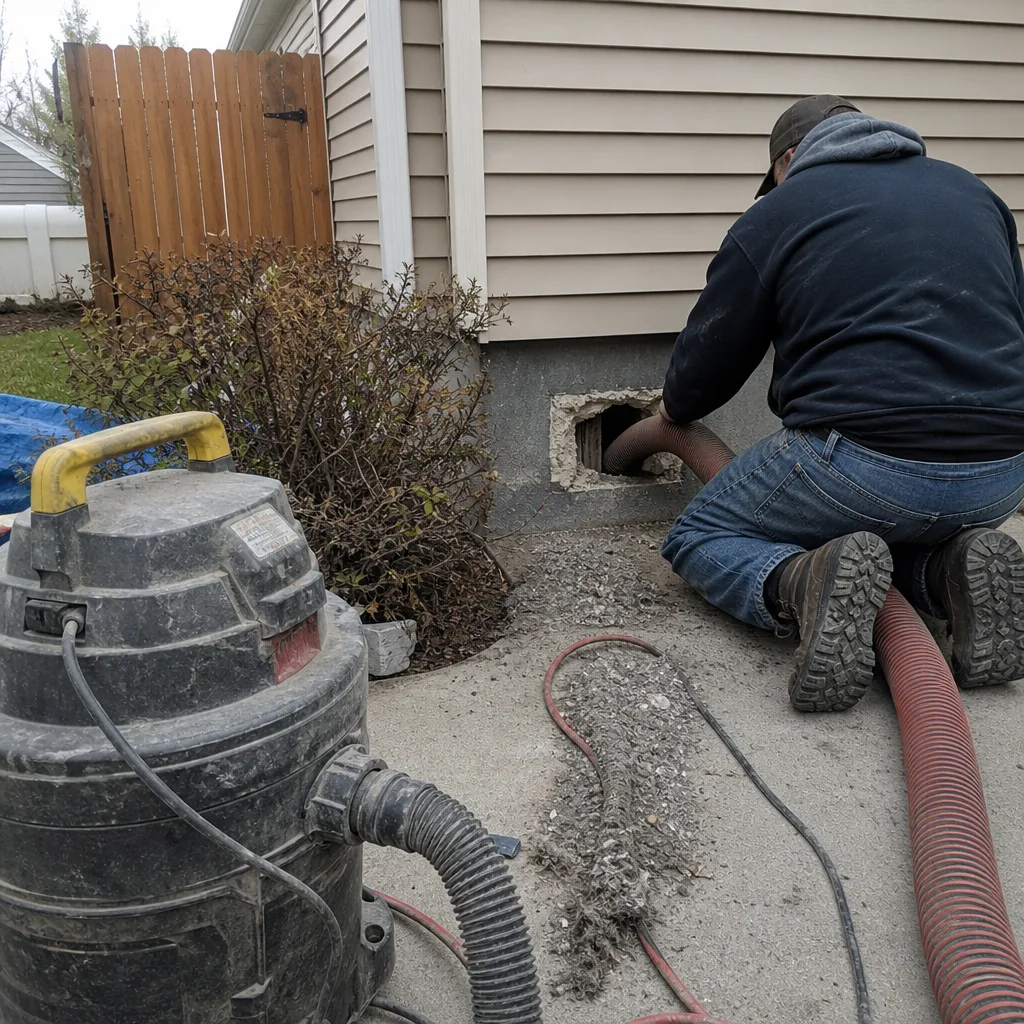 Before
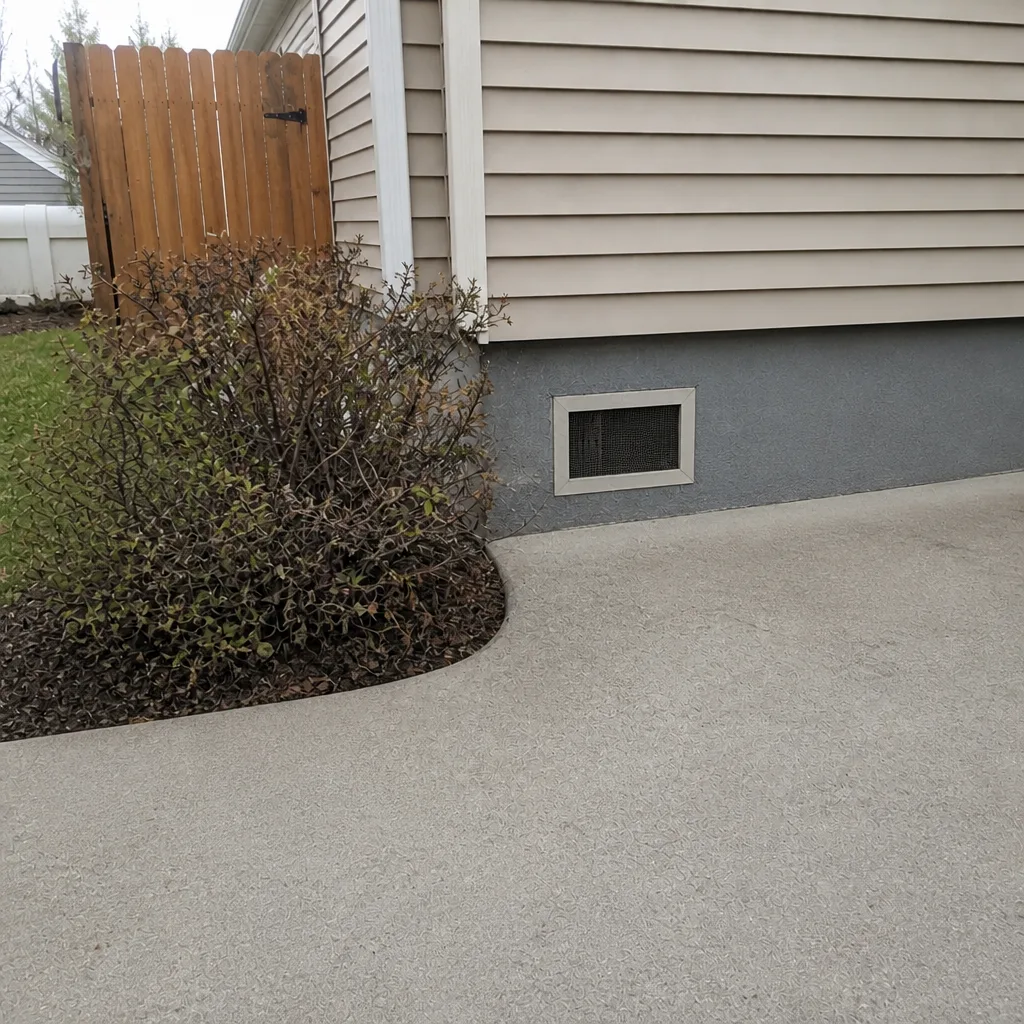 After
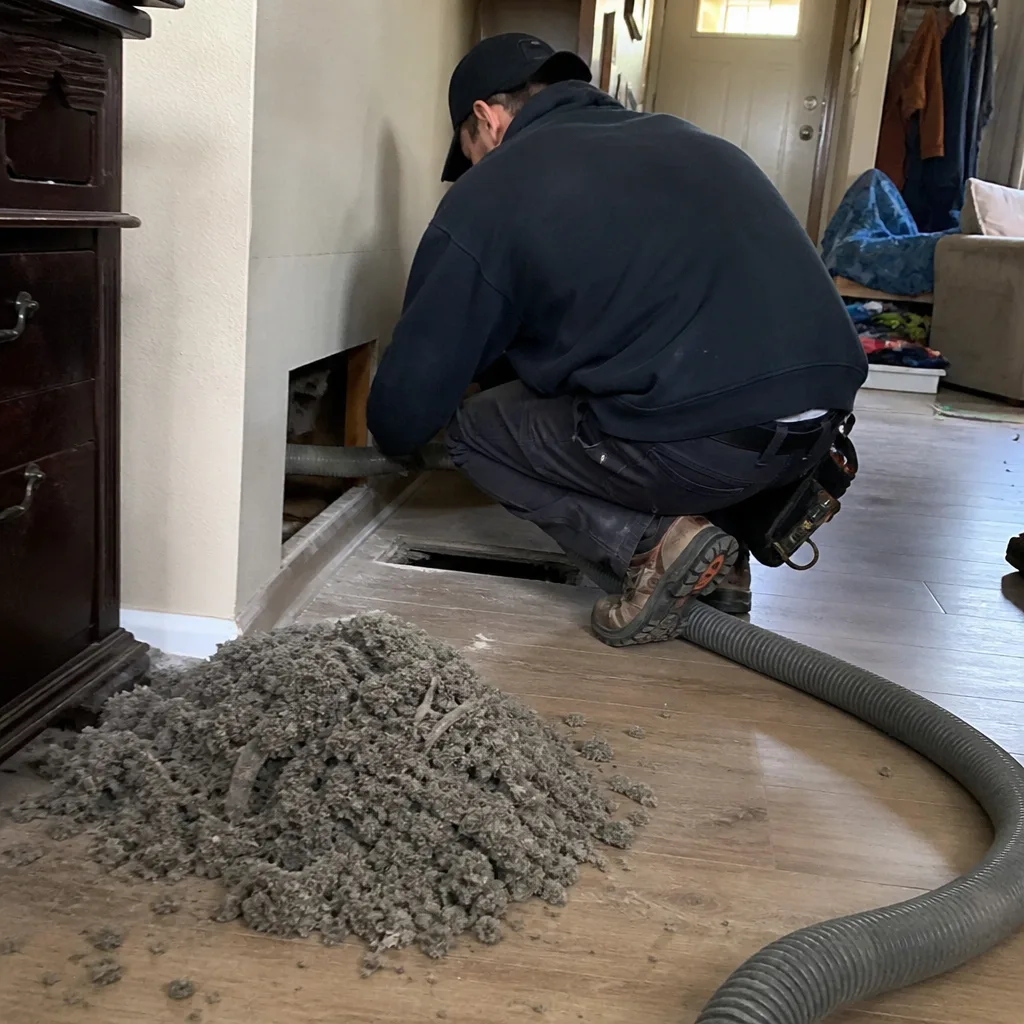 Before
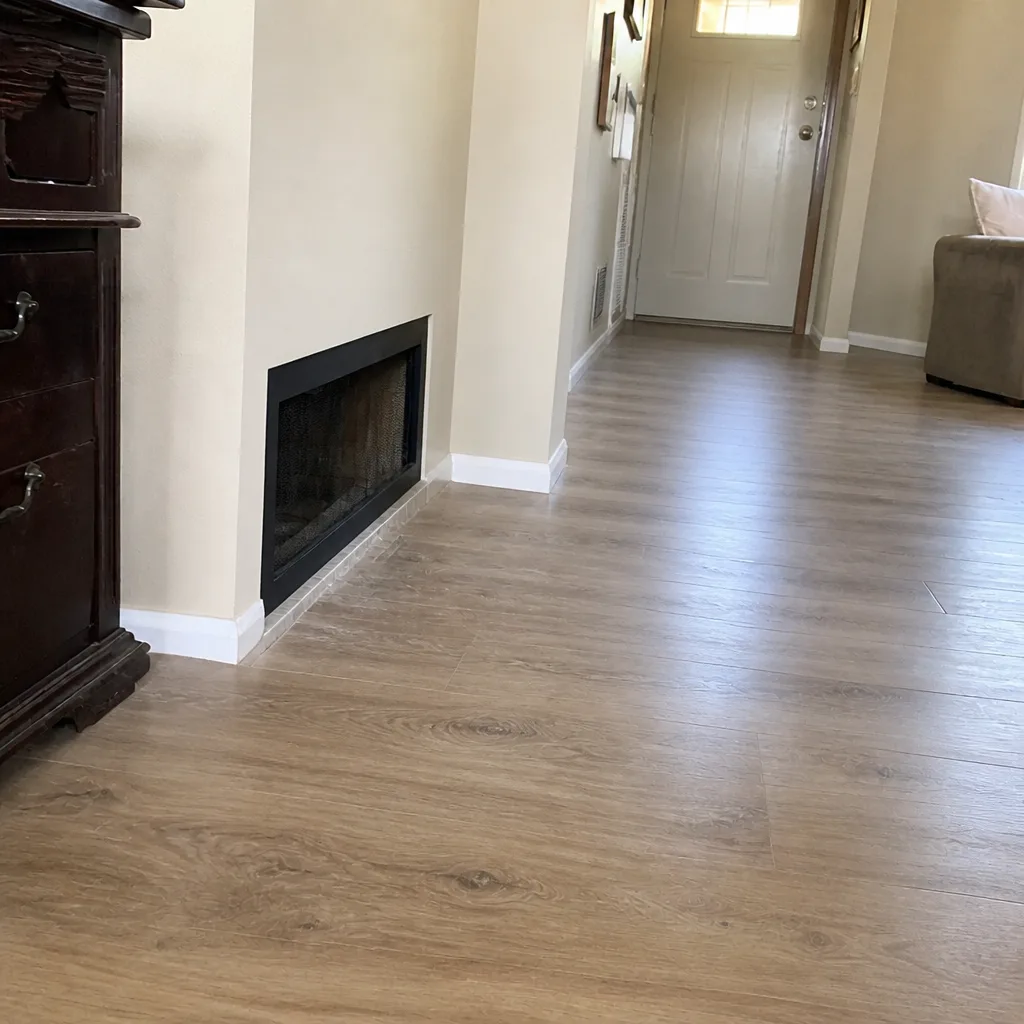 After
 Before
 After
When to Call a Professional
Call for an inspection when you’ve got any of the following: dust that reappears within 48 hours of cleaning in more than one room; a room or two that never reaches temperature with the rest of the house; a musty smell that shows up when the furnace runs; visible debris, staining, or water marks at a register; any hissing, whistling, or detectable airflow at a joint where the duct meets the register; or a dryer that’s taking two cycles to finish a load. Also call after a renovation that disturbed a lot of dust, or after a smoke season that left the house smelling smoky long after the outside air cleared. If any of those signs has been present for more than a month, waiting usually means the repair, when it happens, is bigger. Lockhart Air Duct Cleaning offers free estimates in Spokane Valley – call (844) 352-9945. We answer 24/7. Fast dispatch from 7am to 7pm, Sunday through Friday.
Frequently Asked Questions
It depends on the number of systems, the size of the home, and whether repair is needed, so the price is set per job by the written estimate, which is free. We don’t quote per vent and we don’t advertise a coupon price that changes once we’re on site. The estimate you receive is the price before any work starts.
Cheap quotes usually describe a different job than the one you think you’re buying. That can mean the trunk line isn’t included, the return path isn’t included, the blower compartment isn’t touched, or the equipment is a shop vacuum attached to a hose. Professional-grade equipment, and the time to actually use it, is where the cost lives. Ask any company what’s included in writing and what equipment they bring. Call (844) 352-9945 for a quote you can compare.
Ask for before-and-after photos of your own duct interior. A system that has been cleaned properly looks different at the trunk, at the boots, and at the return. Photos taken before the work starts and after it’s finished tell you what actually happened in your house. We take photos on every job for exactly this reason, and you keep them.
Most homes need a look every three to five years, sooner if there’s ongoing renovation dust, pets, a smoker in the house, recent water damage, or a neighboring wildfire season that pushed smoke into the system. If you’ve seen any of the warning signs in this guide, the schedule is “now” rather than a calendar date. Call (844) 352-9945 for a free estimate and we’ll tell you honestly where you stand.
Yes, and the local conditions are part of why. Spokane Valley’s smoke season can push air quality down for days at a time, and that pressure goes straight into your HVAC system. Cold winters mean long heating cycles with the blower running more hours, which moves more air, more dust, and more debris through the same ducts. Homes in Spokane Valley tend to have HVAC systems working harder in both directions than a milder climate would require, so the duct condition matters more than it might elsewhere.
Yes. A duct system with a separated trunk connection, a crushed run, an unsealed boot, or significant pest damage has a structural problem, and cleaning it won’t resolve the source. In that case the system needs repair before or alongside cleaning, not instead of it. That’s exactly why we offer repair as a core service rather than a referral – it’s the part of the job most cleaning companies can’t do. Call (844) 352-9945 and we’ll inspect the system and tell you which answer fits.
The Bottom Line
Most duct problems announce themselves through performance, not through drama. Dust that returns in two days. Rooms that never quite catch up. A musty smell at the furnace kick-on. Discoloration or debris at a register. A dryer that takes two cycles. Those signals are the system telling you something, and they’re all more useful than waiting for a bigger repair later. Spokane Valley homes have their own version of this list – smoke season pressure on filtration, cold-weather leakage on heated runs, and older duct connections that loosen over decades. Pairing cleaning with an honest inspection and repair where needed is the approach that actually holds.
If you’ve been seeing any of these signs, call (844) 352-9945 for a free estimate. We answer 24/7. Fast dispatch from 7am to 7pm, Sunday through Friday. We bring professional-grade Rotobrush and Nikro equipment, we inspect for the repair side of the job before we start, and we walk you through the findings with photos of your own system.
Written by the team at Lockhart Air Duct Cleaning, serving Spokane Valley since 2016.