
Last updated November 14, 2026
 Whole-home duct cleaning
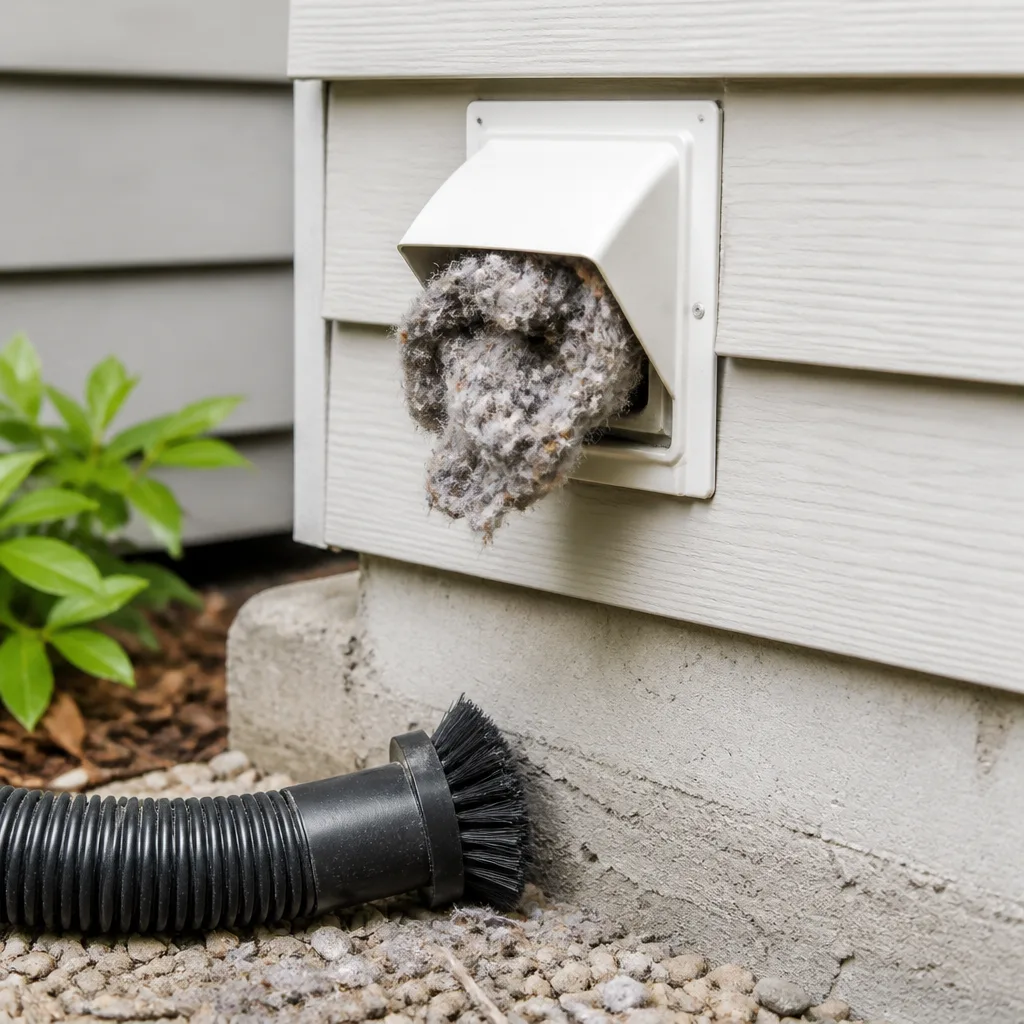 Dryer vent cleaning
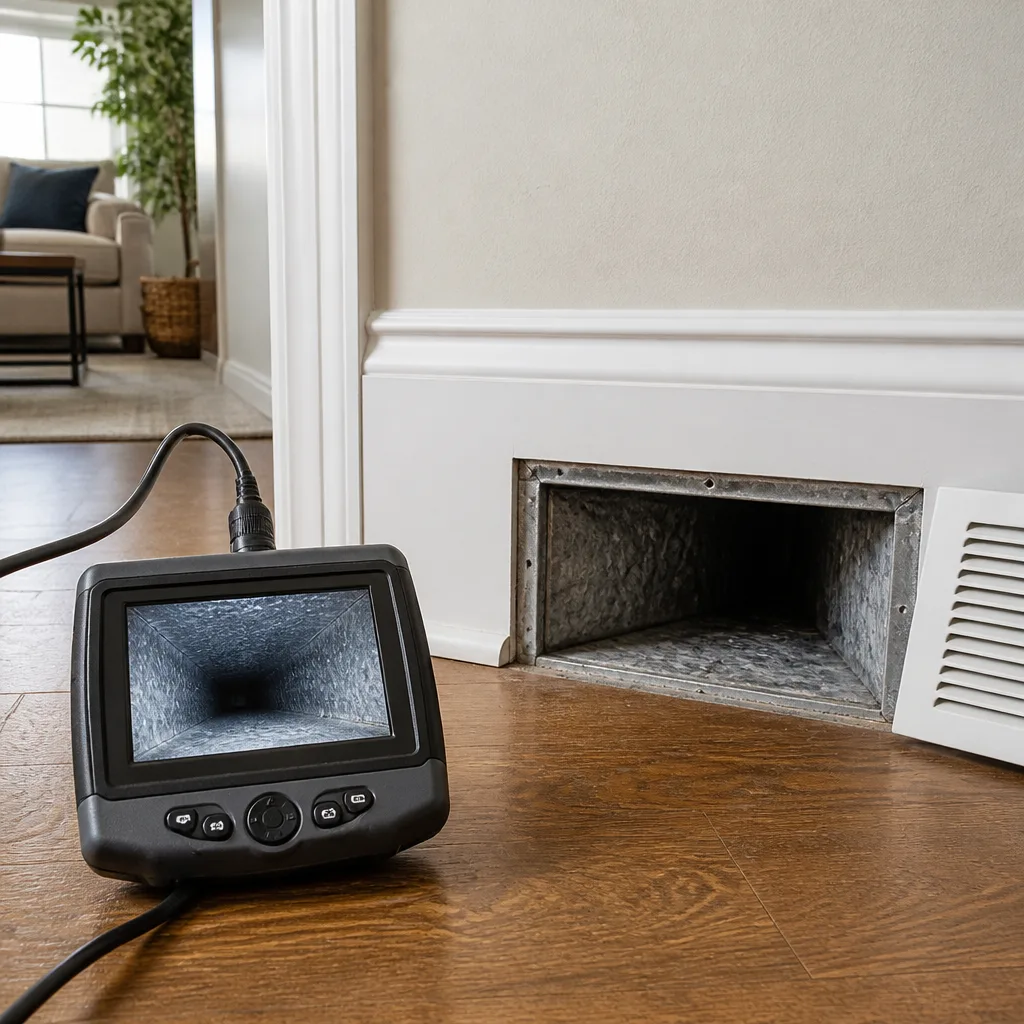 Camera inspection
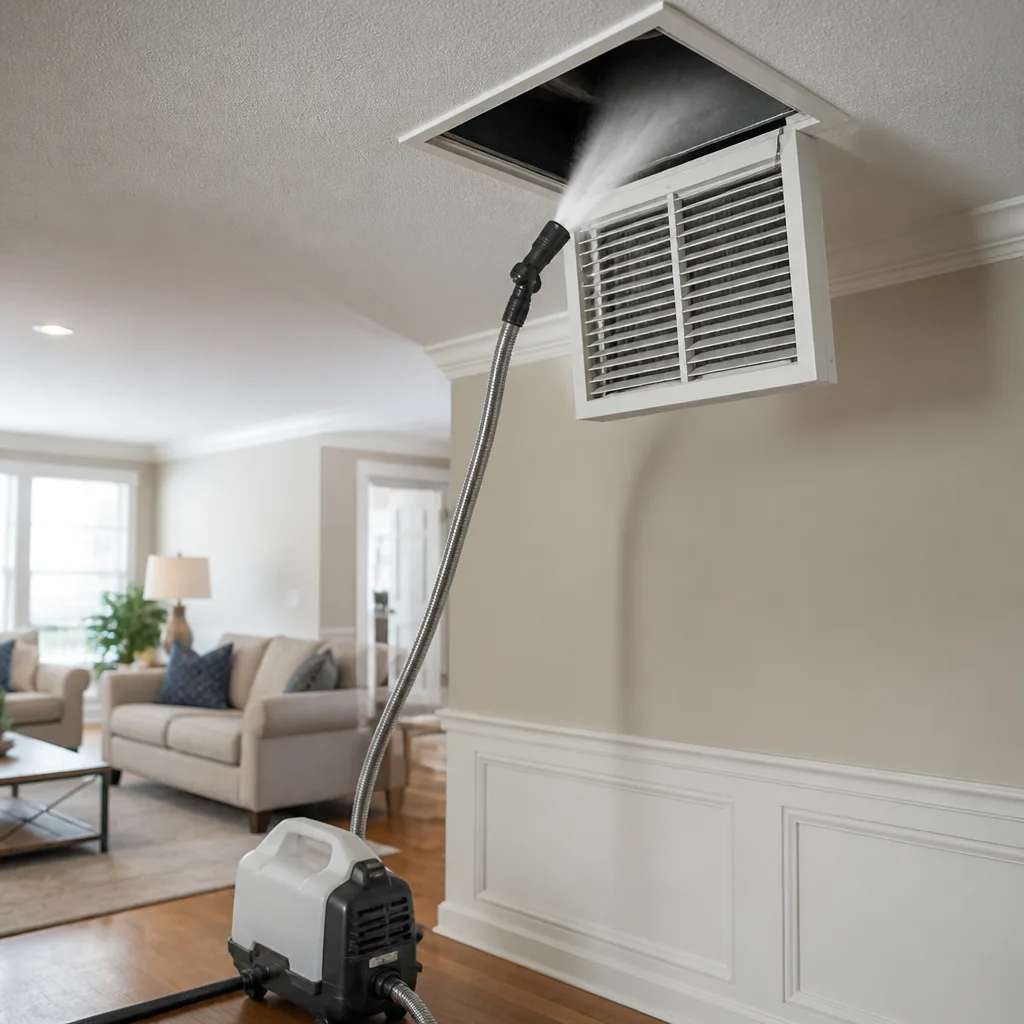 Sanitizing & deodorizing
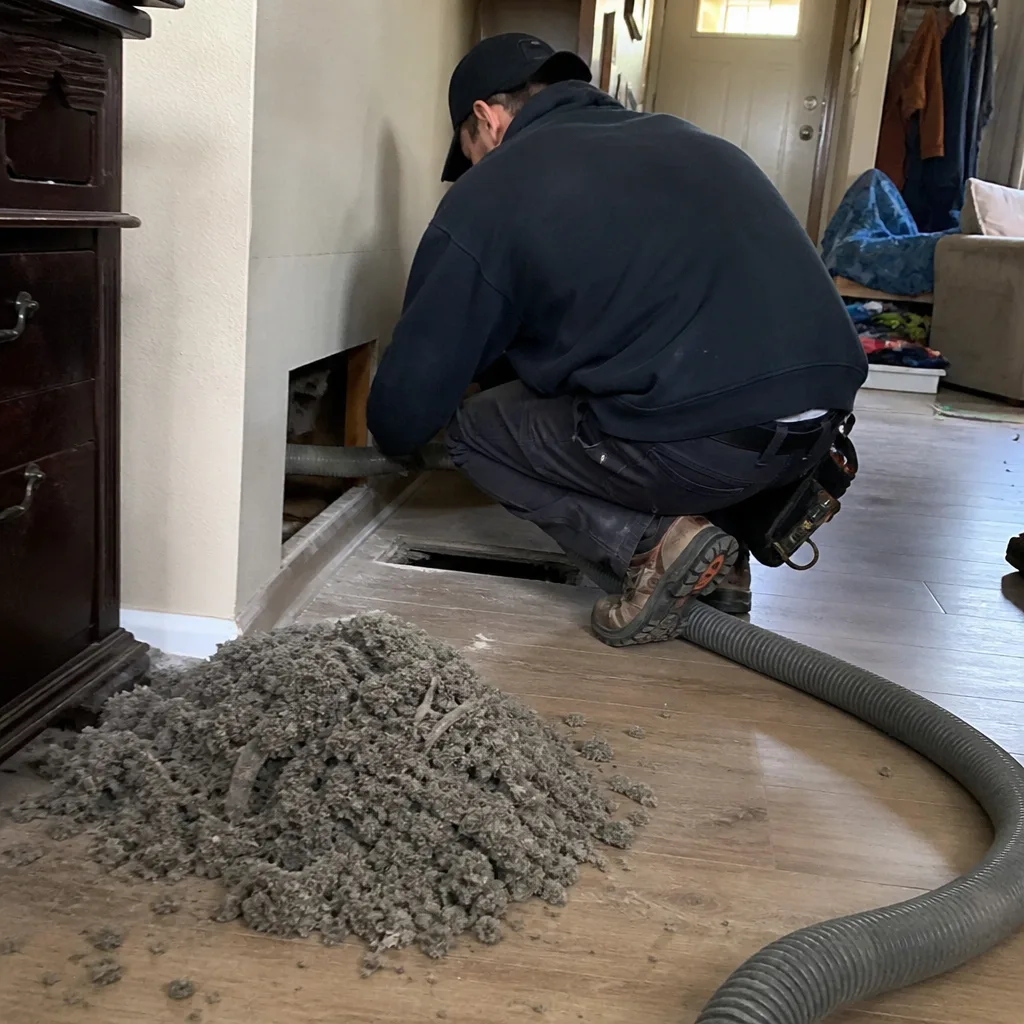
Whole-system duct and dryer vent check with before-and-after photos - you see exactly what came out of your vents
That "$99 whole-house special" is a bait ad - the real number appears once they are in your hallway, or the "clean" is a shop-vac at the register. We photograph the inside of your ducts before and after instead.
Air Duct Cleaning Permits, Codes & Inspections in Spokane Valley, WA: What You Need to Know
Most duct work in Spokane Valley needs no permit at all. Here’s the counterintuitive part: the crew doing the cleaning is often the one who finds the problem that does need one. A crawlspace run puddled with water, a flex duct yanked loose at the trunk, a supply branch crushed under stored boxes in the garage. When a technician offers to fix a disconnected duct on the spot for a flat fee, no paperwork, no inspection, most homeowners don’t realize that particular repair sits on the wrong side of the line between maintenance and construction. This guide walks through where Washington State draws that line, how Spokane Valley applies it locally, and what paperwork to ask for before any repair begins.
Quick Answer
Routine air duct cleaning in Spokane Valley does not require a permit. Duct repair that alters or reconnects the system’s mechanical components, replaces runs, or moves ductwork often falls under Washington State’s mechanical code and does need a permit and inspection. Cleaning is maintenance. Structural duct work is construction. Knowing which one you’re buying before the van shows up is the whole game.
Styles & brands we work with
- Whole-home duct cleaning
- Dryer vent cleaning
- Camera inspection
- Sanitizing & deodorizing
Table of Contents
- Does Air Duct Cleaning Require a Permit in Spokane Valley?
- What Washington’s Mechanical Code Covers for Ducts
- How Spokane Valley Applies the Code Locally
- Cleaning vs. Sealing vs. Replacement: Where the Line Sits
- Why Unpermitted Duct Repairs Can Stall a Home Sale
- What to Ask a Contractor Before Any Repair Work
- What a Mechanical Inspection Actually Looks Like
- Documentation You Should Receive After Permitted Work
Does Air Duct Cleaning Require a Permit in Spokane Valley?
No. Cleaning the interior surfaces of an existing duct system is maintenance, and Spokane Valley does not require a permit for it. You’re removing accumulated dust, debris, and construction residue from a system that stays exactly where it was built. Nothing is added, removed, or relocated. That’s the same category as changing a furnace filter or having your carpets cleaned.
What people miss is that air duct cleaning is also an inspection. A technician working through a full system sees the inside of every trunk, branch, and plenum. Punctures from old nails. Taped joints that let go years ago. Flex runs crushed against a joist. Return chases open to a crawlspace that shouldn’t be connected at all. Those findings are exactly where permit questions get interesting.
Our rule of thumb for customers in Spokane Valley: the machine moves, the question changes. If a technician is pulling debris out of a system that stays where it is, that’s cleaning. If a technician is cutting, extending, reconnecting, or re-routing anything, that’s mechanical work, and it may need a permit.
- No permit: source removal of dust and debris, brushing and air-whip cleaning of existing runs, vacuuming the plenum, sanitizing an existing system
- May need a permit: reconnecting a severed duct, replacing a run, adding supply or return branches, moving a register, re-sealing joints with mastic or mechanical fasteners
- Usually needs a permit: replacing a whole duct system, changing the system’s configuration, tying in a new air handler location
The best protection is a contractor who flags the difference during the estimate, not after the work is finished. If a crew offers to “just fix it while we’re here” without mentioning a permit, ask why. There’s usually a reason.
What Washington’s Mechanical Code Covers for Ducts
Washington State adopts the International Mechanical Code (IMC) as its statewide baseline, administered through the Washington State Building Code Council and enforced at the local level by each jurisdiction’s building department. That framework matters to Spokane Valley homeowners because it defines what counts as a mechanical permit item and what doesn’t.
The IMC sets requirements for duct materials, sizing, support, sealing, clearances, and connections. Repairs that affect how a duct is supported, how it’s sealed, or where it terminates generally fall within the code’s scope and get reviewed as part of a mechanical permit. Basic maintenance, by contrast, sits outside the permit system entirely.
Here’s where the practical line typically sits, though always confirm with the Spokane Valley building department before assuming:
- Minor taping or sealing of an existing joint is usually treated as maintenance. No permit.
- Reconnecting a duct that has separated is where jurisdictions vary. Many cities treat a reconnection as repair and skip the permit, others require it as mechanical work. Ask first.
- Replacing a length of flex or rigid duct with like materials, same location, same size, is often considered a minor repair but should be confirmed.
- Adding a new branch, relocating a register, or modifying the layout is an alteration. Mechanical permit required.
- Replacing the duct system is new construction-level work. Permit and inspection required.
Temperature swings in this valley matter here too. Duct systems in Spokane Valley cycle through hot summers and cold winters, and that cycle works on joints, adhesives, and flex connections. It’s common for us to find tape that’s let go on a run that was fine a decade ago. That’s normal aging, not an installation flaw, and it doesn’t change whether the fix needs a permit. What changes is whether it gets done properly.
Why the State Code Is Only Half the Story
Washington gives cities and counties flexibility to amend the mechanical code when they adopt it locally. Spokane Valley operates under a locally adopted mechanical code with amendments that shape how the code applies in practice. Those amendments can shift thresholds, add documentation requirements, or clarify how inspections are handled. A contractor who doesn’t work regularly in Spokane Valley may not know the local amendments at all.
That’s a real difference. A crew based two counties over with a loose understanding of the state code can miss local requirements entirely. We work in this city and confirm the current local code language before recommending anything that might need a permit.
How Spokane Valley Applies the Code Locally
Spokane Valley sits in Spokane County, and permits for permitted mechanical work are handled through the city’s building department. The city adopts the state mechanical code with local amendments, so a duct repair that would sail through in one Washington jurisdiction might trigger a permit and inspection here, or vice versa.
What that means in practice:
- Confirmed with the building department. A licensed contractor should be able to tell you, without hesitation, whether a specific repair needs a permit in Spokane Valley specifically. If they’re guessing, that’s a signal.
- Documentation is on the permit holder. Permitted work comes with an inspection record and a permit number that stays attached to the property’s history. That record matters more than most homeowners realize.
- Timeframes vary by scope. Small mechanical permits move quickly through the system; larger alterations or system replacements take longer. We never promise a schedule we can’t control.
- Neighborhoods and housing stock vary. Duct work in older Spokane Valley homes with crawlspace runs is often more labor than the same job in a recent build with a conditioned attic. That affects how a repair gets scoped, which affects permit scope too.
We don’t guess at local amendments. When we’re unsure whether a repair crosses the permit threshold in a specific home, we call the building department and confirm before giving an estimate. That takes ten minutes and saves a lot of headaches later. It’s the same approach commercial contractors rely on, scaled to a residential job.
If a contractor tells you that nothing in a residential duct system ever needs a permit, that’s usually a sign they haven’t looked. Cleaning is genuinely permit-free. Duct repairs are a different category, and the smarter contractors treat them like one.
Cleaning vs. Sealing vs. Replacement: Where the Line Sits
This is where customers get surprised mid-job, and it’s entirely avoidable. Clearing up the difference before any work starts protects you on three fronts: price, paperwork, and resale.
Cleaning (No Permit)
Cleaning uses negative pressure and mechanical agitation to pull dust, debris, and contaminants out of the existing system. Nothing is added, nothing moves. This is a maintenance service and requires no permit. A professional-grade system like Rotobrush or Nikro is designed for this work, and it’s why we run professional-grade equipment on every job.
Sealing (Sometimes Permitted)
Sealing is where it gets murky. Re-sealing a joint that’s failing with mastic or approved flexible sealant is often treated as repair and doesn’t need a permit. But if the sealant is part of a larger duct modification, or if the sealing is required as part of a system alteration, it may need to be included in a permit application. Aeroseal-style interior sealing is generally considered a repair, not an alteration, in most Washington jurisdictions, but confirm with the city before committing.
Replacement or Modification (Usually Permitted)
Replacing a run, adding a supply, moving a register, or changing the system’s layout all change the system. That’s construction. Mechanical permit required, inspection required, and the work needs to comply with the state mechanical code as adopted locally in Spokane Valley.
Here’s the question to ask before any repair work begins: “Does this repair need a permit in Spokane Valley, and if not, why not?” A straight answer with a clear reason is what you’re looking for. Vague reassurances about “small jobs” or “it’s just a reconnect” are the answer that should send you looking for a second opinion. In our experience, the crew that can explain the threshold clearly is the crew that knows the difference.
Why Unpermitted Duct Repairs Can Stall a Home Sale
Here’s what most homeowners don’t learn until it’s too late: unpermitted mechanical work can show up years later on a home inspection report, and it can throw a wrench into a real estate transaction right in the middle of the most stressful week of the process.
Buyers hire inspectors. Inspectors look inside the mechanical system. When they find duct work that’s been modified, replaced, or reconnected without an inspection record on file, they flag it. That flag goes to the buyer’s agent, and the buyer’s agent sends it back as a repair request. The seller either produces the permit and inspection documentation, or they hire a contractor to redo the work with a permit, or they price the work into the negotiation.
Every one of those outcomes cost the seller time and money. The fix would have been cheaper and faster at the moment it happened.
In Spokane Valley specifically, this dynamic plays out in two common ways:
- Older homes with crawlspace duct runs. A list of plumbing, heating, and duct work that’s been modified without records is often longer than anyone expects on older valley homes. Each item gets reviewed.
- Recent renovations. When someone added a bedroom, finished a basement, or reconfigured the layout, duct work was likely moved. If the renovation had permits but the duct modifications weren’t included, the discrepancy shows up.
What we tell customers considering a sale: get a copy of every permit and inspection record that touches the mechanical system before you list. If duct work was modified without a permit and you can’t produce one, disclose it or fix it. A clean paper trail through the closing process is worth far more than the cost of pulling a permit before the work began.
What to Ask a Contractor Before Any Repair Work
Five minutes of questions on the phone or at the estimate protects you on everything from price to paperwork. Here’s what to ask, in order:
- “Is your company licensed and registered with Washington State?” Yes is the only acceptable answer. They should be able to tell you their contractor registration number without checking with someone else.
- “Does this specific repair need a permit in Spokane Valley?” They should answer without hesitation and give you a reason. If the answer is “it depends,” ask what it depends on and listen for whether they know the local amendments.
- “If a permit is required, who is pulling it?” The contractor pulls the permit. The permit stays attached to the property. A contractor who asks you to pull a homeowner permit for mechanical work is transferring their responsibility to you, and that shifts liability if something goes wrong.
- “Will you show me before-and-after photos of the actual duct work in my home?” This is where bargain-bin crews get caught. A crew that can’t produce photos of your own ducts, at your own address, hasn’t done the work you’re paying for. We photograph before and after on every job.
- “Is the price per system or per vent?” Whole-system, flat pricing is what a serious contractor quotes. Per-vent pricing is a scheme to inflate the invoice once the equipment is in the driveway, and it’s the number-one source of bait-and-switch complaints in this trade.
- “Are you working with any duct repairs I’ll need later, or is this cleaning the whole job?” If a repair is coming, you want to know now. If the cleaning crew finds something during the job that changes the scope, you want it in writing before they touch it.
A crew that works with professional-grade tools like a Rotobrush or Nikro system and can walk through the permit threshold on the phone tends to also be the crew that does the repair work properly in the first place. And a company that does repair alongside cleaning, like we do, doesn’t have to hand you off to a second contractor when the duct work needs structural correction. One visit to clean, repair, and upgrade the system.
One more thing. Before any work begins, ask for the written estimate in writing. Not a verbal number, not a text message. A written estimate with line items. The price is set by that estimate, and nothing changes the price after it’s signed.
What a Mechanical Inspection Actually Looks Like
When a permitted duct repair or replacement goes through the City of Spokane Valley’s building department, the inspection is typically straightforward. The inspector shows up, looks at the work, and approves or corrects it. Here’s what usually gets reviewed:
- Material compliance. The duct materials need to match code requirements for the application, including fire-rated materials where the duct passes through rated assemblies.
- Support and connections. Ducts need to be supported at code-specified intervals and connected per manufacturer instructions.
- Sealing. Joints and seams need to be sealed appropriately. This is where a lot of DIY reconnects fail inspection.
- Clearances. Duct work has to maintain the clearances required from combustibles, especially around the furnace and plenum.
- Termination. Any duct that terminates in a crawlspace, attic, or exterior wall needs to comply with the code’s rules for that location.
We schedule inspections when a permit is required, and we don’t leave a job as “done” until the inspection passes. If something needs adjustment, we adjust it and the inspection gets rescheduled. The homeowner doesn’t carry that coordination burden.
One safety note worth flagging. Duct work sits next to gas appliances and electrical systems, and a repair that crosses paths with either one is genuinely dangerous if the person doing it isn’t qualified. We don’t touch gas lines or electrical connections. When a duct repair requires either to be moved or reconnected, that’s a licensed plumber or electrician’s job, and we coordinate it. That’s the same duty of care a hospital takes with a patient, applied to your home’s systems.
What Inspectors Look For That Homeowners Miss
One thing we’ve noticed: homeowners often assume the inspector is looking for something complicated. They aren’t. They’re checking the basics. A duct run that sags between supports, a joint taped with something that isn’t rated for the application, or a plenum connection that doesn’t match the manufacturer’s instructions. These are the small details that separate a passing inspection from a redo.
This is why we scope every job in person. A written estimate that anticipates the inspection checkpoints is worth more than a phone quote that skips them.
Documentation You Should Receive After Permitted Work
After permitted duct work is done properly, you should walk away with a specific set of documents. Each item matters for different reasons, and missing any of them is worth a call.
- The permit number. This is the record that follows the property. It’s your proof that the work was done under the authority of the local building department.
- Inspection record. The document showing that the completed work passed inspection. This is what gets attached to your home’s history at closing.
- Written scope of work. What was done, where, and with what materials. This protects you if a later contractor or inspector needs to understand what happened.
- Before-and-after photos. Photographs of the actual duct work in your home. This is the same documentation we provide on cleaning jobs, and it’s what disqualifies a bargain-bin crew that never actually got into the system.
- Manufacturer documentation for any new components. If a filter or other air quality product from Honeywell, Aprilaire, Abatement Technologies, or Guardsman was installed during the same visit, you should have the product documentation and any warranty paperwork.
- Final invoice matching the written estimate. If the invoice and the estimate don’t match, that’s a red flag and worth a phone call.
None of this is complicated. It’s just paperwork that most people don’t know exists because most people never had anyone explain it. A homeowner who has these six documents is protected whether they sell in a year or stay for two decades.
Common Mistakes to Avoid
- Accepting an on-the-spot repair without asking about permits. A crew that offers to reconnect a disconnected duct for a flat fee with no paperwork is usually skipping the permit question. Even when a repair legitimately doesn’t need a permit, the contractor should be able to explain why. If they can’t, look elsewhere.
- Assuming cleaning equals permit-free everything. Cleaning is permit-free. Repairs usually aren’t. Confirming the scope before work starts protects you mid-job, when a technician has already opened a wall.
- Hiring a crew that quotes per vent. In Spokane Valley, whole-system pricing is the honest way to quote. Per-vent pricing is a bait-and-switch that inflates the final invoice once the equipment is set up. Ask for the per-system flat rate in writing before anyone steps into the driveway.
- Skipping the documentation for repairs. If a repair was done without a permit and without an inspection record, that gap can surface during a home inspection years later. The paperwork is what prevents the surprise.
- Not asking about the permit threshold in Spokane Valley specifically. A contractor working out of Spokane County, or over in Idaho, may not know the local mechanical amendments. Ask the question explicitly about Spokane Valley, not “in Washington.”
- Getting a repair and a cleaning in two separate visits. A company that only cleans duct systems will hand you off to a second contractor for the repair, and the two sides can point fingers if the work has issues. One company that does both keeps the responsibility in a single place.
- Accepting a verbal estimate. The price is set by the written estimate. No written estimate means the price is whatever the crew decides after the equipment is out of the van.
See the difference
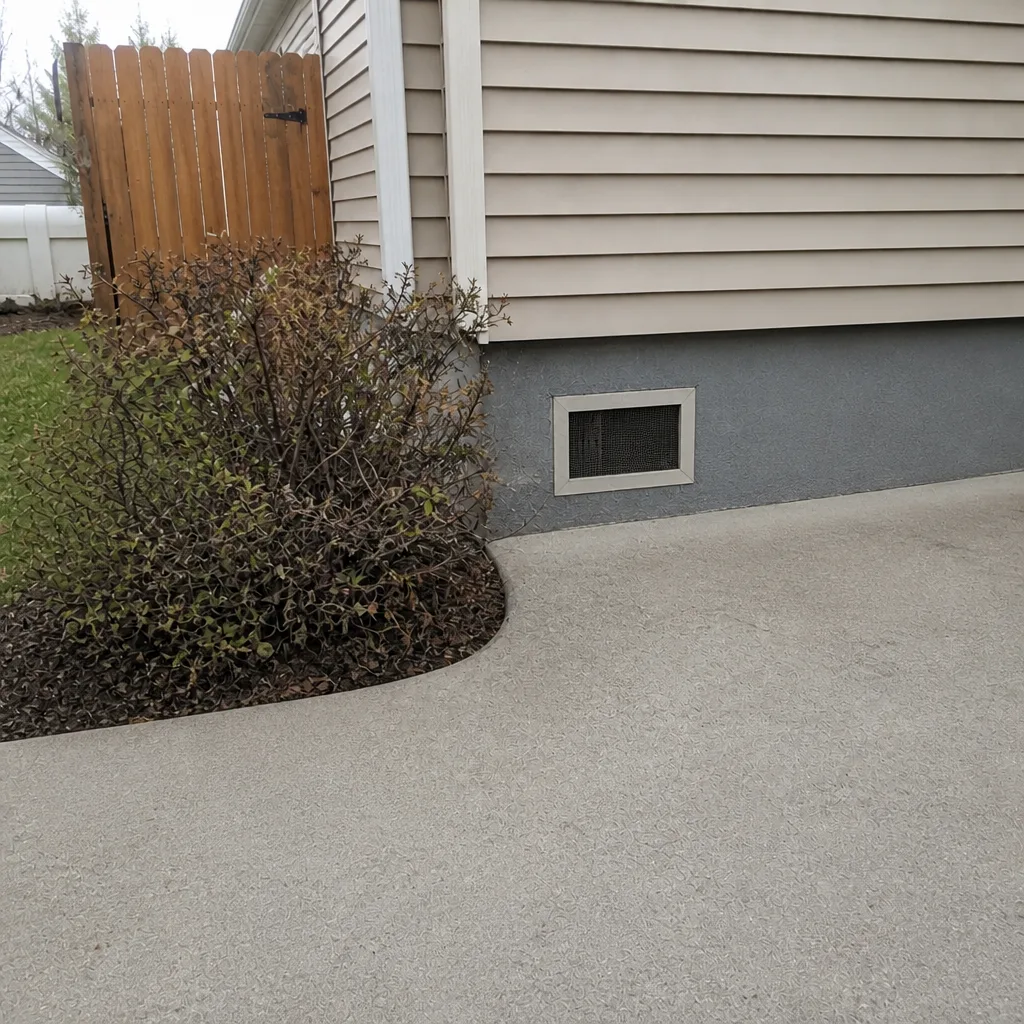
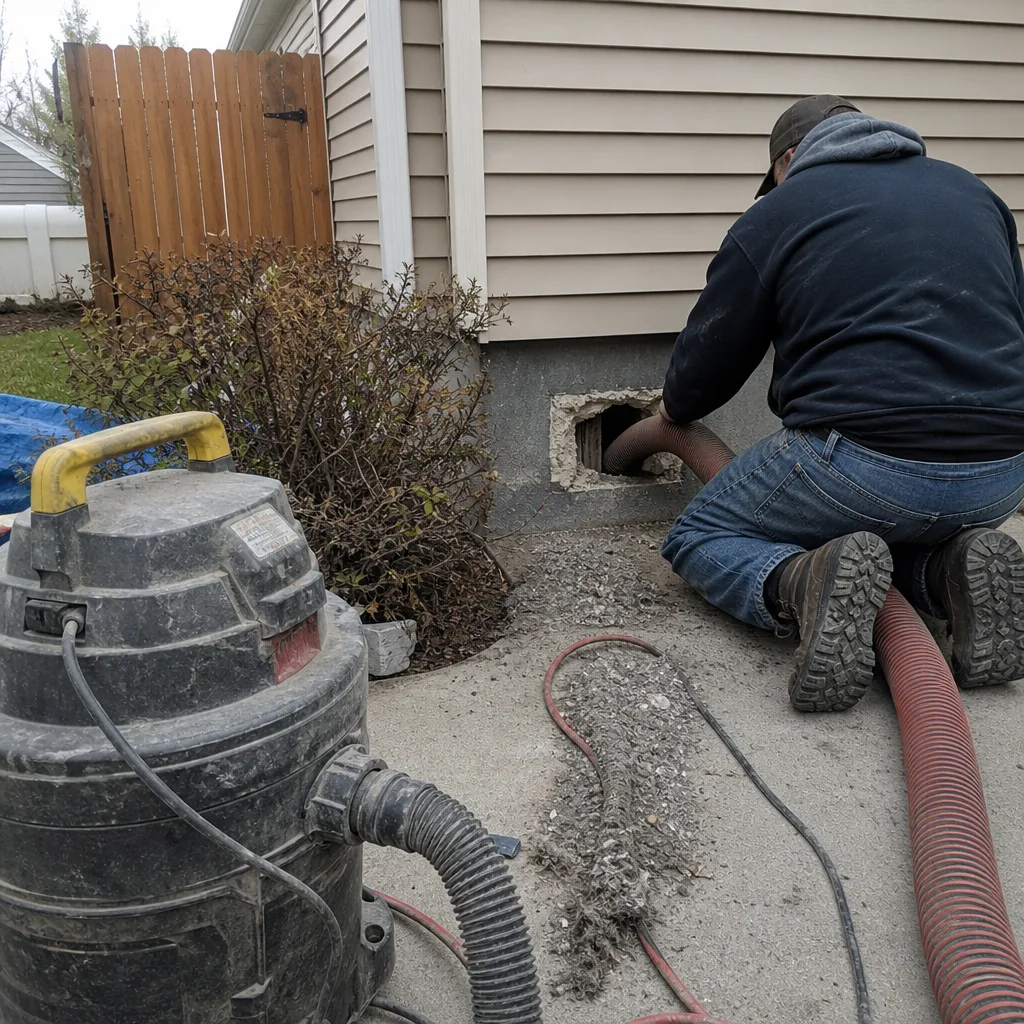 Before
 After
 Before
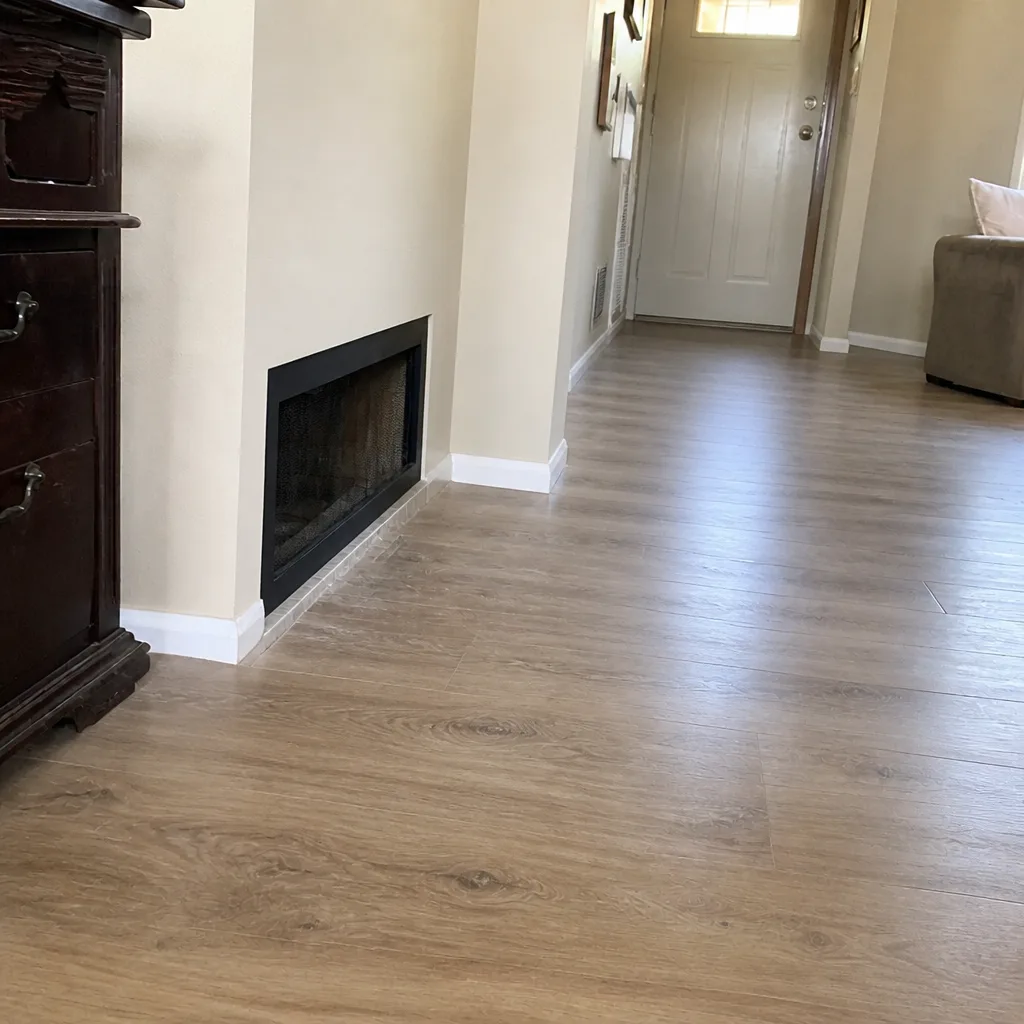 After
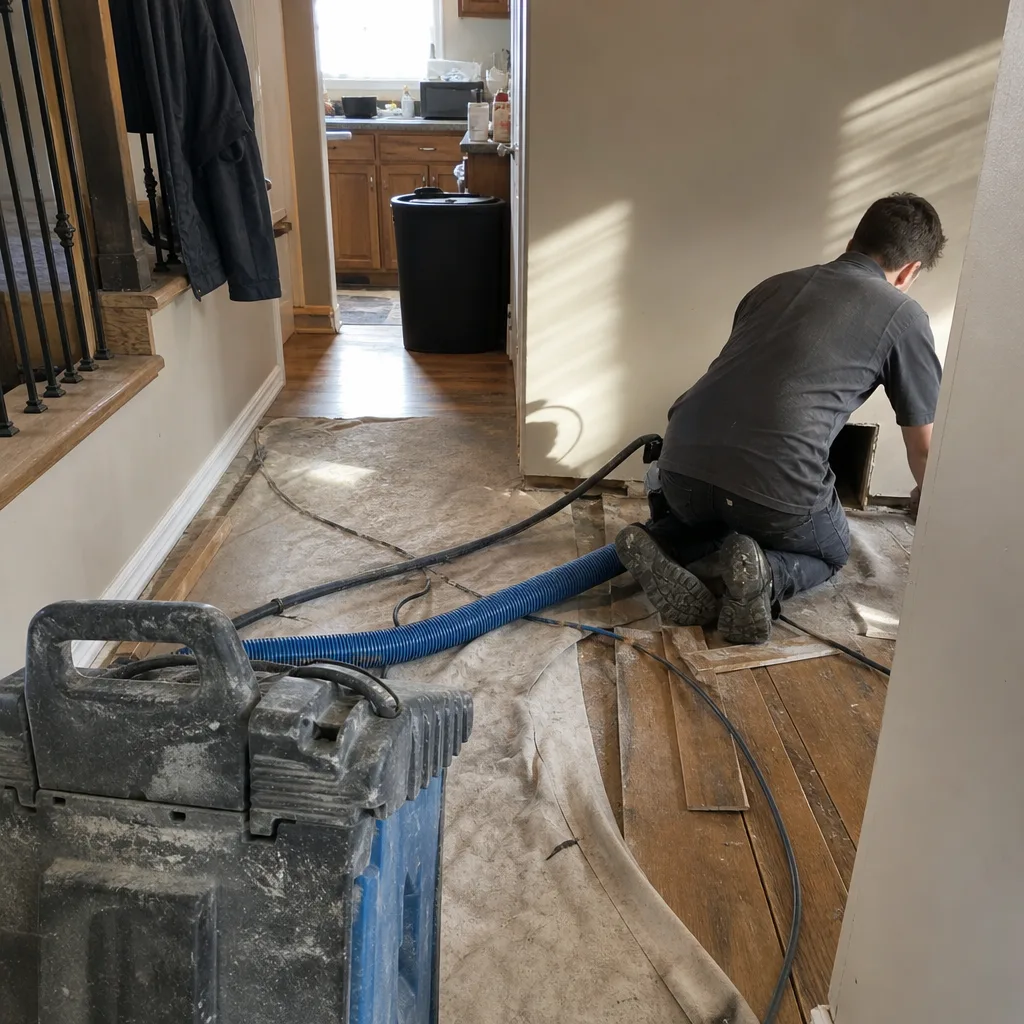 Before
 After
When to Call a Professional
Some duct conditions you can assess yourself. Others need professional eyes and professional tools. Call us when you’re seeing any of the following:
- Visible dust blowing back out of supplies within a day of cleaning
- A duct run visibly detached at a trunk or register
- Crushed or collapsed flex runs in a crawlspace or attic
- Mold or standing water inside the duct system
- Airflow that varies room to room without an obvious cause
- Duct work that was modified during an older renovation with no paper trail
- A home inspection report flagging duct problems during a sale process
A licensed crew can inspect and identify whether a repair is needed and whether a permit applies. We also handle dryer vent cleaning, which is a separate but related fire-safety service that most duct cleaners skip or treat as an afterthought. If you’re already having the system cleaned, the dryer vent is a natural add-on and worth the extra visit.
Lockhart Air Duct Cleaning offers free estimates in Spokane Valley. Call (844) 352-9945. We answer 24/7. Fast dispatch from 7am to 7pm, Sunday through Friday.
Frequently Asked Questions
No. Routine duct cleaning is maintenance and doesn’t require a permit in Spokane Valley. If a technician finds a repair that needs to be done during the cleaning, that repair may or may not require a permit depending on what’s involved. A licensed contractor should be able to confirm the answer in writing before the repair begins. Call (844) 352-9945 for a free estimate and we’ll walk through the permit question with you.
It depends on the specific repair and how the local jurisdiction applies the state mechanical code. A simple reconnection of a duct that came loose in an existing location is often treated as maintenance, but some jurisdictions require a mechanical permit for any modification. The safe answer is to ask the Spokane Valley building department or a licensed contractor familiar with local amendments before assuming, because the answer changes with the scope of the work. Call for a free estimate and we’ll help you sort out whether your repair sits on the permit side or not.
Cheap duct cleaning quotes usually come with a per-vent price that dramatically increases once the crew is at your home, or a single-pass cleaning that doesn’t actually reach the trunk and plenum. Real whole-system cleaning requires professional-grade equipment like a Rotobrush or Nikro system and takes real time. We quote a flat price per system, agreed before the work starts, and we provide before-and-after photos of your own ducts. Call (844) 352-9945 for a free estimate and we’ll give you an honest number for your system.
You should receive before-and-after photographs of the actual duct system in your home, on your job, at your address. If a crew can’t provide photos of the work, they either didn’t do it or they’re hiding something. We document every job this way, and we include photos of trunks, branches, plenum, and any repaired connections so you can see what changed. Call us for a free estimate and ask to see our documentation before we leave.
For most Spokane Valley homes, every three to five years is a reasonable interval, though it depends on the home. Recent renovation, pets, occupants with allergies, or a system with visible debris buildup accelerate the schedule. Cleaning is also a good time to inspect the system for repairs that may need a permit. Call (844) 352-9945 for a free estimate and we’ll give you an honest assessment.
Yes. A home inspector reviewing the mechanical system can flag duct work that was modified without an inspection record, and the buyer’s agent may request documentation or a redo as part of the sale. That can stall or complicate a transaction. Getting the permit and inspection done when the work happens avoids the issue entirely. Call (844) 352-9945 if you’re preparing a Spokane Valley home for sale and want the mechanical system reviewed before you list.
The Bottom Line
Routine air duct cleaning in Spokane Valley doesn’t need a permit. Duct repair and replacement often do, depending on scope and how the local amendments apply. The distinction matters most at the moment a technician offers to fix something on the spot, because that’s when homeowners make the call without knowing they’re making one. Ask the permit question every time. Ask for the documentation after the work. Confirm that the contractor knows Spokane Valley’s local code amendments, not just the state baseline. And if a crew is quoting per-vent pricing or skipping the permit conversation, walk away. The paperwork is the protection. Call (844) 352-9945 for a free estimate. We answer 24/7. Fast dispatch from 7am to 7pm, Sunday through Friday.
For a full picture of our services in Spokane Valley, see air duct cleaning, Spokane Valley, and dryer vent cleaning, or return to Lockhart Air Duct Cleaning.
Written by the team at Lockhart Air Duct Cleaning, serving Spokane Valley since 2016.