
Last updated November 14, 2026
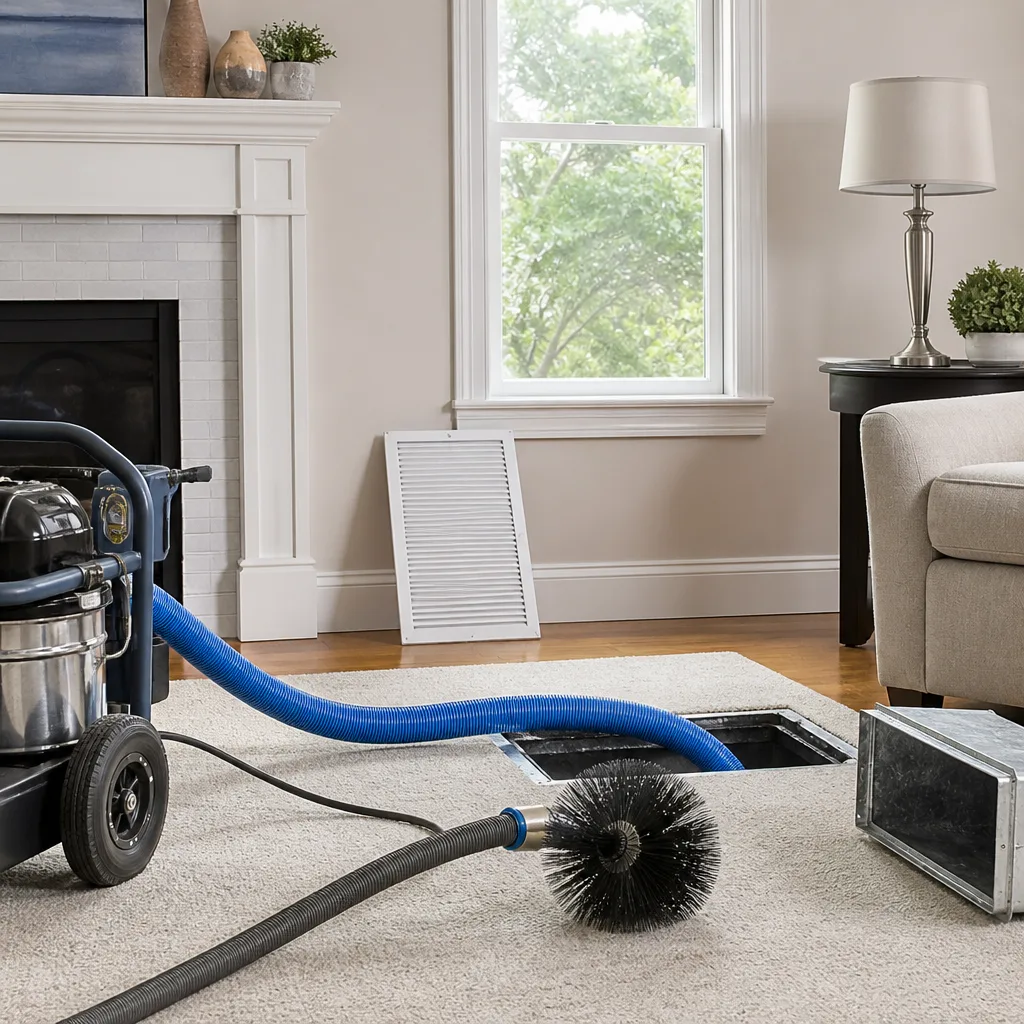 Whole-home duct cleaning
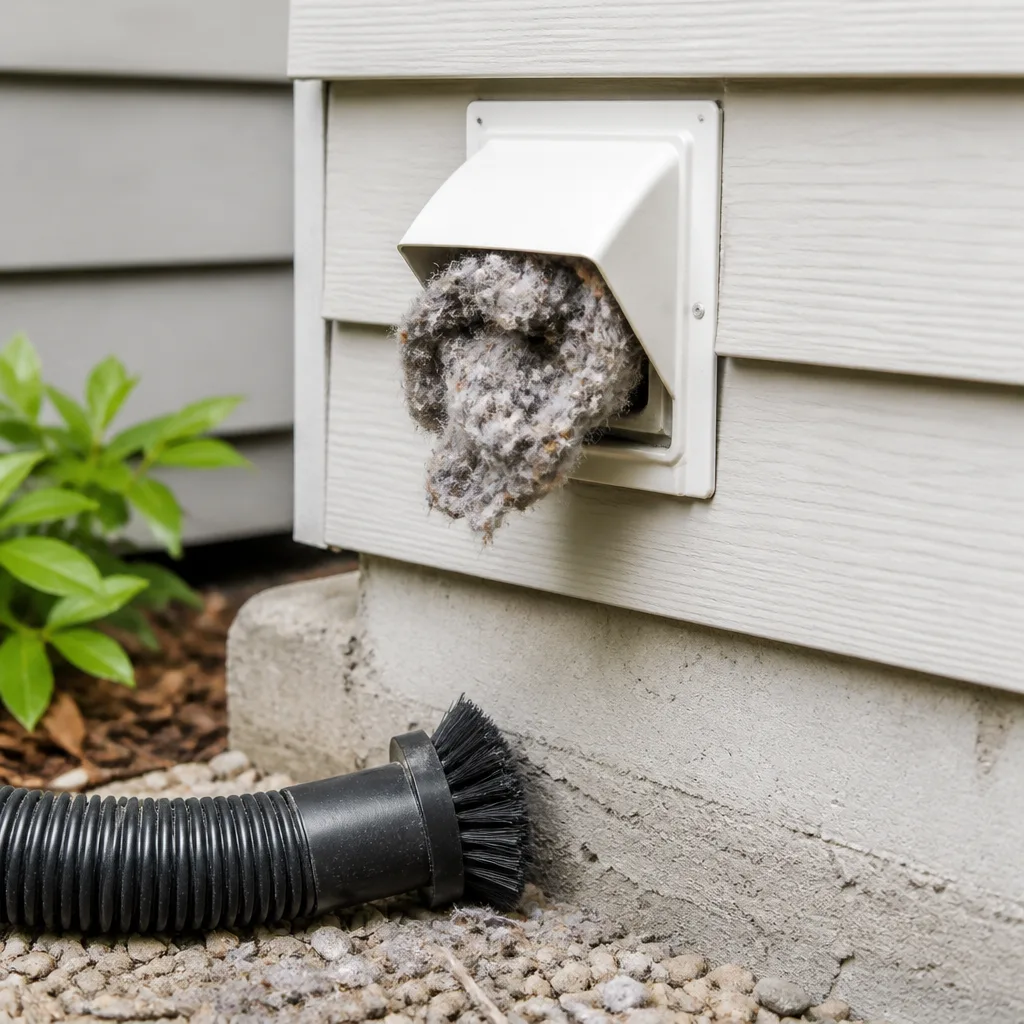 Dryer vent cleaning
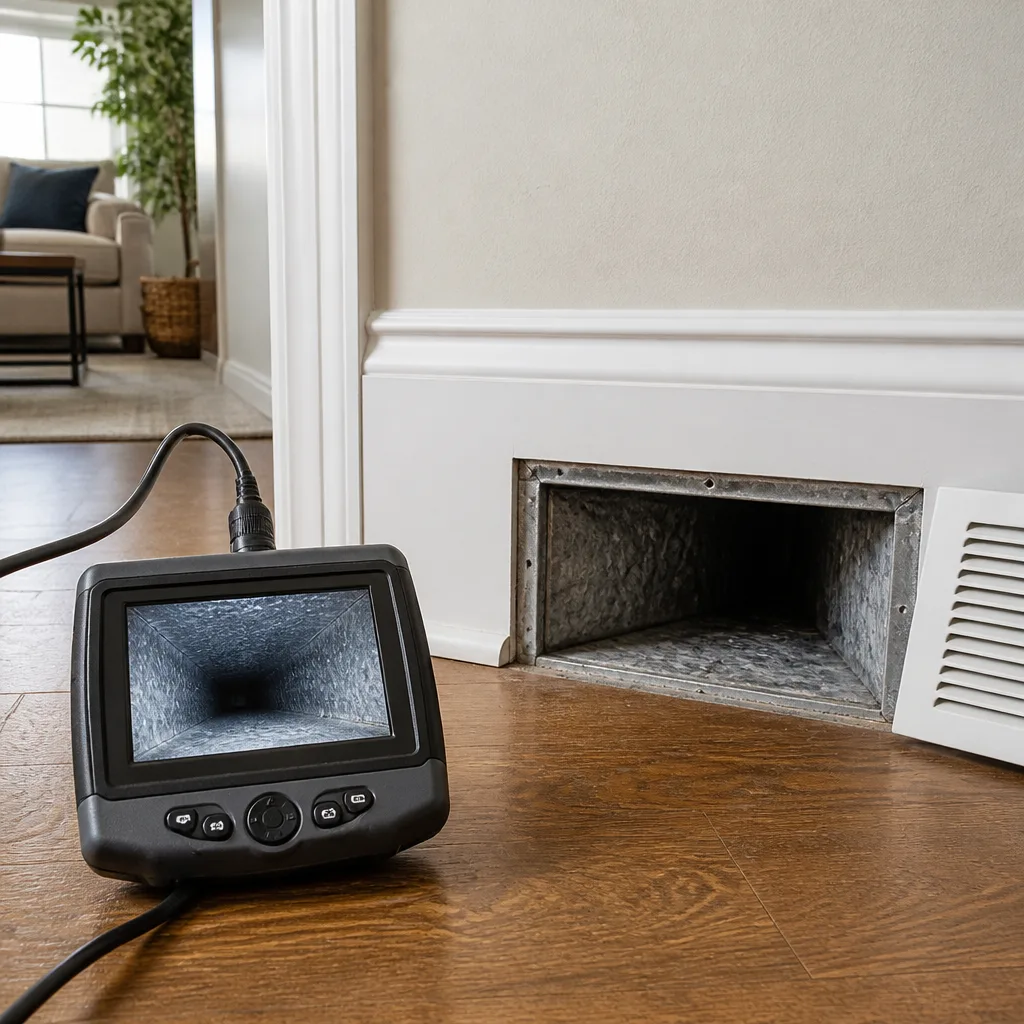 Camera inspection
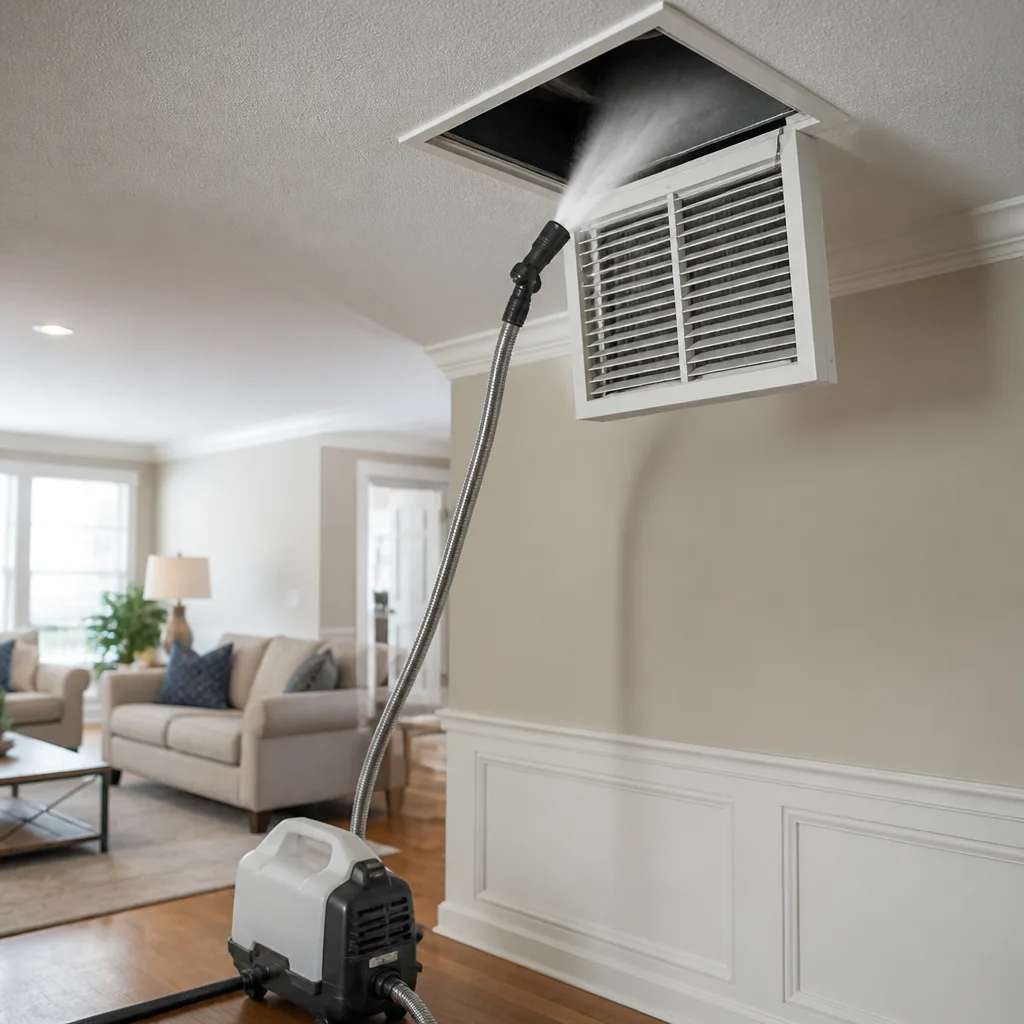 Sanitizing & deodorizing
Whole-system duct and dryer vent check with before-and-after photos - you see exactly what came out of your vents
That "$99 whole-house special" is a bait ad - the real number appears once they are in your hallway, or the "clean" is a shop-vac at the register. We photograph the inside of your ducts before and after instead.
Seasonal Air Duct Cleaning Care for Spokane Valley: Year-Round Homeowner’s Guide
Most homeowners in Spokane Valley treat duct cleaning as a once-and-done errand, usually scheduled when something already smells wrong or the furnace filter looks frightening. That timing is backward. Your ducts don’t collect contamination on a calendar; they collect it according to what the season throws at them. Summer wildfire smoke behaves nothing like winter crawlspace condensation, and neither one responds to the same maintenance move. A generic “clean every few years” rule misses almost everything that actually happens to a duct system in this valley. This guide maps duct care to the real seasons here, so you can act on each condition before it becomes a repair. Spokane Valley weather gives your HVAC system four genuinely different workloads each year, and we’ll walk through all four.
Quick Answer
In Spokane Valley, air duct cleaning works best as a seasonal rhythm rather than a one-time event: check and change filters hard during summer wildfire smoke season, inspect outdoor intakes and pest entry points before heating season in fall, watch crawlspace ductwork for condensation in winter, and schedule a full professional cleaning in spring after the heating season ends and before warming ductwork encourages biological growth. Cleaning at the right seasonal junction costs less than repairing the damage that a missed season causes.
Styles & brands we work with
- Whole-home duct cleaning
- Dryer vent cleaning
- Camera inspection
- Sanitizing & deodorizing
Table of Contents
- Why Spokane Valley’s Four Seasons Demand Different Duct Care
- Spring: The Best Window for Professional Duct Cleaning
- Summer: Wildfire Smoke, Air Quality, and Your Filters
- Fall: Outdoor Intake Inspection Before Heating Season
- Winter: Condensation in Crawlspace Ducts and Liner Damage
- Building Your Seasonal Checklist Around the Real Climate Calendar
- Common Mistakes to Avoid
- When to Call a Professional
- Frequently Asked Questions
Why Spokane Valley’s Four Seasons Demand Different Duct Care
Spokane Valley sits in a valley with a continental climate: hot, dry summers that often bring smoke from regional fires, cold winters with snow, and two shoulder seasons that pass quickly. Those four conditions each hit a duct system in a different place.
Summer puts smoke and fine particulate into the outdoor air that your return and fresh-air intake pull in. That loads filters fast and can coat the inside of ductwork when filtration is weak. Fall drops leaves, needles, and insects at outdoor terminations, and as the first cold snap arrives mice look for warmth. Winter creates a temperature gap between heated living space and an unheated crawlspace, and flex duct running through that gap can collect condensation. Spring warming raises humidity inside ductwork that has sat through months of heavy heating operation, and that’s when the material that settled all winter becomes the most biologically active.
Now think about what a national “clean every two to four years” recommendation does with that. It treats the year as one undifferentiated block. The homeowner who cleans in November after the heating season has already begun has missed the ideal window and will spend the heating season pushing through the loosened debris of a system nobody touched during the smoke months. A seasonal rhythm, timed to the actual weather here, avoids both problems.
The reason we can speak to this from experience is that duct conditions in Spokane Valley aren’t abstract for us. We work with homes across Spokane Valley, from the older neighborhoods near the river to the newer subdivisions on the valley’s south side, and the season you clean in genuinely changes what we find. That’s not marketing. It’s what the inspection shows.
Spring: The Best Window for Professional Duct Cleaning
If you’re going to schedule one professional cleaning a year, spring is when it pays the most. The heating season is winding down. The system has just finished pushing warm, dry air through the ducts for months. Temperatures outside are climbing but the humid summer hasn’t arrived. That combination means the ducts are at their driest and the biological conditions that encourage growth are only just starting.
Cleaning in spring removes the accumulated winter load before that load has a chance to bloom. In our experience, a system cleaned in late spring shows noticeably less regrowth by the following winter than one cleaned in late summer or fall, simply because the material never got the warm, moist window it needed.
Spring is also the right time to address the repairs that winter exposed. If a section of flex duct in the crawlspace took on moisture, or a poorly sealed joint in an attic run has been leaking, the inspection that comes with a professional cleaning will find it while the weather is mild and the fix is straightforward. Cleaning without repair is a temporary result; the same contamination returns through the same broken joint. That’s why we offer air duct cleaning and duct repair as a single scope of work, not two separate visits months apart.
A Spring Startup Sequence That Makes Sense
- Swap the furnace filter for a fresh one before the first warm day when the system runs on cooling.
- Walk the house and note any room that feels weaker or warmer than the rest. Those are airflow questions worth flagging before a technician arrives.
- Schedule a full professional cleaning, and ask for an inspection of any accessible flex duct and return plenum at the same visit.
- After cleaning, replace the filter again (the cleaning stirs up material and the new filter catches it) and record the date.
- Decide whether a higher-MERV filter or a filtration upgrade fits your system. Honeywell and Aprilaire make whole-home filtration products we can install the same day we clean.
The point of that sequence is that spring cleaning and spring upgrades belong together. There’s no reason to book a second company for a filtration change you could have made while the equipment was already on site.
Summer: Wildfire Smoke, Air Quality, and Your Filters
Summer in Spokane Valley brings the regional smoke season, and the air quality index becomes a daily number instead of background noise. When smoke drifts into the valley and the AQI climbs, your HVAC system is the entry point for every particle you can’t see, whether the system runs in cooling mode or just on the fan setting.
This is the season to watch the filter, hard. A standard filter that normally lasts a couple of months can load up much faster during a smoke event. When you can see a gray haze in the house on a clear day outside the windows, or the filter comes out looking like a felt mat after a few weeks, it’s time to change it. Running a loaded filter during a smoke event doesn’t protect your indoor air; it just moves less air through it and lets the system run hotter.
What to Do During a Smoke Event
- Check the filter every couple of weeks, not on the calendar.
- Run the system fan continuously if you have a good filter installed, so the filter keeps doing work even between cooling cycles.
- Keep windows and doors closed. The ducts and filter do the job only if the house stays sealed.
- After a long or severe smoke season, ask for a post-season cleaning assessment. Fine particulate that made it past the filter settles in the return ducts and the plenum, and by autumn you may notice a smoky smell on startup.
If you’re already considering a filtration upgrade, this is the season that justifies it. We install Honeywell and Aprilaire filtration products chosen to match your blower and ductwork, not the biggest filter that fits the cabinet. A filter your system can’t push air through creates more problems than it solves, and we size it accordingly.
If your system has never been inspected and you’ve been through several heavy smoke seasons, ask for a walkthrough before deciding between cleaning and a bigger filtration change. The Lockhart Air Duct Cleaning team can look at the return side of the system and tell you where the smoke goes before it reaches your lungs.
Fall: Outdoor Intake Inspection Before Heating Season
Fall is when leaves, pine needles, and insects find their way to outdoor vents, intake terminations, and any louvered opening on the exterior of the house. It’s also when mice, squirrels, and insects look for warmth and easy entry. A duct system with a compromised outdoor termination or a missing screen becomes an open door.
The inspection is simple, and it’s the one piece of seasonal duct care most homeowners can do for themselves. Walk the exterior of the house and look at every vent and intake. Ask these questions:
- Is anything blocking the termination? Leaves, dirt, bird nests, snowguards?
- Are the screens and louvers intact, or bent, missing, or pushed inward?
- Is the dryer vent cap moving freely and clear of lint (a task that matters enough to deserve its own attention, which is why we keep dryer vent cleaning as a dedicated service)?
- Are there signs of insects or small animals around any exterior opening? Droppings, gnaw marks, shredded material?
- Inside, does any return grille or register smell of animals, or look dusty on a level that doesn’t match the rest of the room?
If you find any of those signs, call before the heating season starts. An intake packed with debris or occupied by a rodent drives contaminated air directly into the system. Once the furnace is running day after day in December, the contamination circulates for months before anyone deals with it.
Why Fall Matters More Than It Seems
Fall is the season when duct problems get locked in. Anything sitting in the ducts in September stays there through the winter, moving in and out of the living space on every heating cycle. Cleaning in fall, after the leaves come down and before the first serious cold, catches the last of the outdoor debris before the house closes up. That’s a better schedule than waiting for spring for the inspection piece.
Winter: Condensation in Crawlspace Ducts and Liner Damage
Themost heat-loss problems in a Spokane Valley house involve a crawlspace, a garage run, or an attic span where conditioned air moves through a space much cooler than the room it’s serving. When warm, moist air inside flex duct passes through cold space, the duct’s inner surface runs cooler than the air it carries, and condensation forms on the liner. Over a winter, that moisture can be enough to break down the liner, create mold conditions, and take the R-value out of the insulation jacket.
That’s a repair-and-mold story, not a cleaning story. The right winter move is inspection: look for kinks, crushed sections, disconnected joints, or runs with the outer jacket torn and the inner liner exposed. Those are the failures that create the condensation in the first place.
What to Check in Winter
- Any flex duct run in the crawlspace: is the outer jacket intact, or is the insulation exposed or torn?
- Any run that passes through an unconditioned garage or attic: is it insulated its full length, or is a section exposed?
- Any kinked or crushed run: a crushed duct loses the airflow that would otherwise keep the interior dry.
- The crawlspace itself, briefly: standing water, wet soil, or high humidity that makes the whole space more condensation-prone.
If you find a problem, don’t just clean the duct. A torn jacket or a disconnected joint will refill with contamination within a single heating season. That’s where our air duct cleaning service and the duct repair side of the business work together. We’ll identify the damaged run, repair or replace the affected section, and clean the system so the repaired run isn’t reintroducing what the repair was meant to solve.
Winter is when our professional-grade equipment earns its keep. Rotobrush and Nikro systems are built to reach the full length of a residential duct run and to clean with controlled contact rather than an air-only blast, which matters when you’re working around newly repaired flex duct. A contractor with the right equipment can repair, clean, and verify in one visit. The same tools commercial contractors rely on, in your home.
Building Your Seasonal Checklist Around the Real Climate Calendar
Generic national duct-cleaning advice is built around the average American climate, and the average American climate isn’t Spokane Valley. Build your own checklist from the actual seasonal junctions here. The following works for most homes, and you can adjust based on what your house tells you.
Spokane Valley Seasonal Checklist
- Early spring, or whenever the heating season winds down: replace the furnace filter and schedule a full professional duct cleaning. This is the single best-timed cleaning of the year. Have any accessible flex duct inspected at the same visit.
- After a smoke event (late spring through early fall): check the filter immediately, replace if loaded, and log the date. If the house was under heavy smoke for several weeks, note it for a post-season assessment.
- One visit spread out during the summer: test the system by running the fan on a day with closed windows. If a smoky smell or a dusty odor circulates, you’re looking at a cleaning issue, not a filter issue alone.
- Late summer, before the first cool nights: walk the exterior of the house, inspect every vent termination and intake, and clear anything that’s collected in the past months. Confirm all screens and louvers are intact.
- First cold snap, before real winter weather arrives: check the crawlspace, garage, and attic runs for moisture, kinked duct, or damaged outer jackets. Deal with any damaged joint before it embeds itself more deeply.
- Midwinter, once: take a fresh look at the crawlspace and any ductwork that runs through or near it. Condensation damage that shows up in January is worth catching before March.
- Late winter, after the last spell of heavy heating: begin planning spring cleaning. Don’t wait for a strange smell; the best time is before a problem appears.
That’s the whole cycle. It’s fewer than seven checks across a full year, and most of them are short. The one that’s actually a full professional appointment belongs in spring.
See the difference
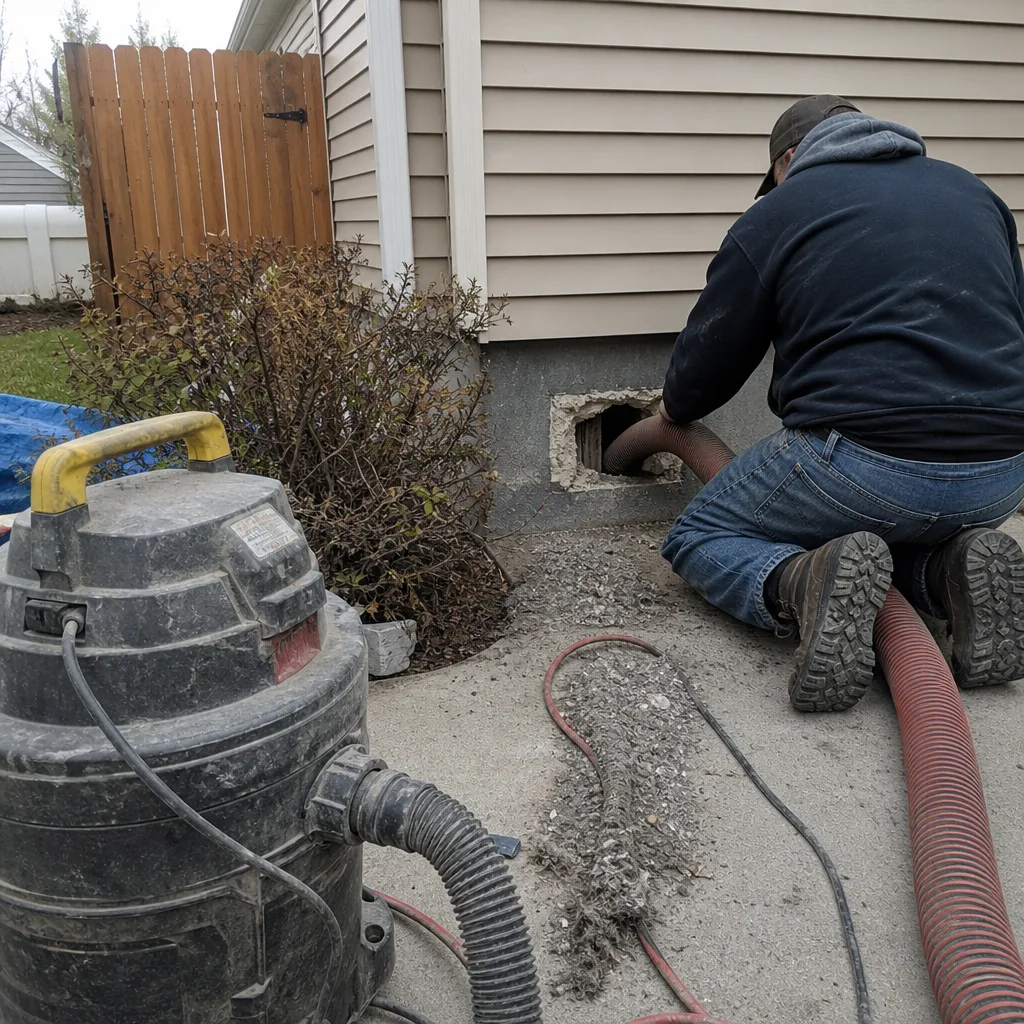 Before
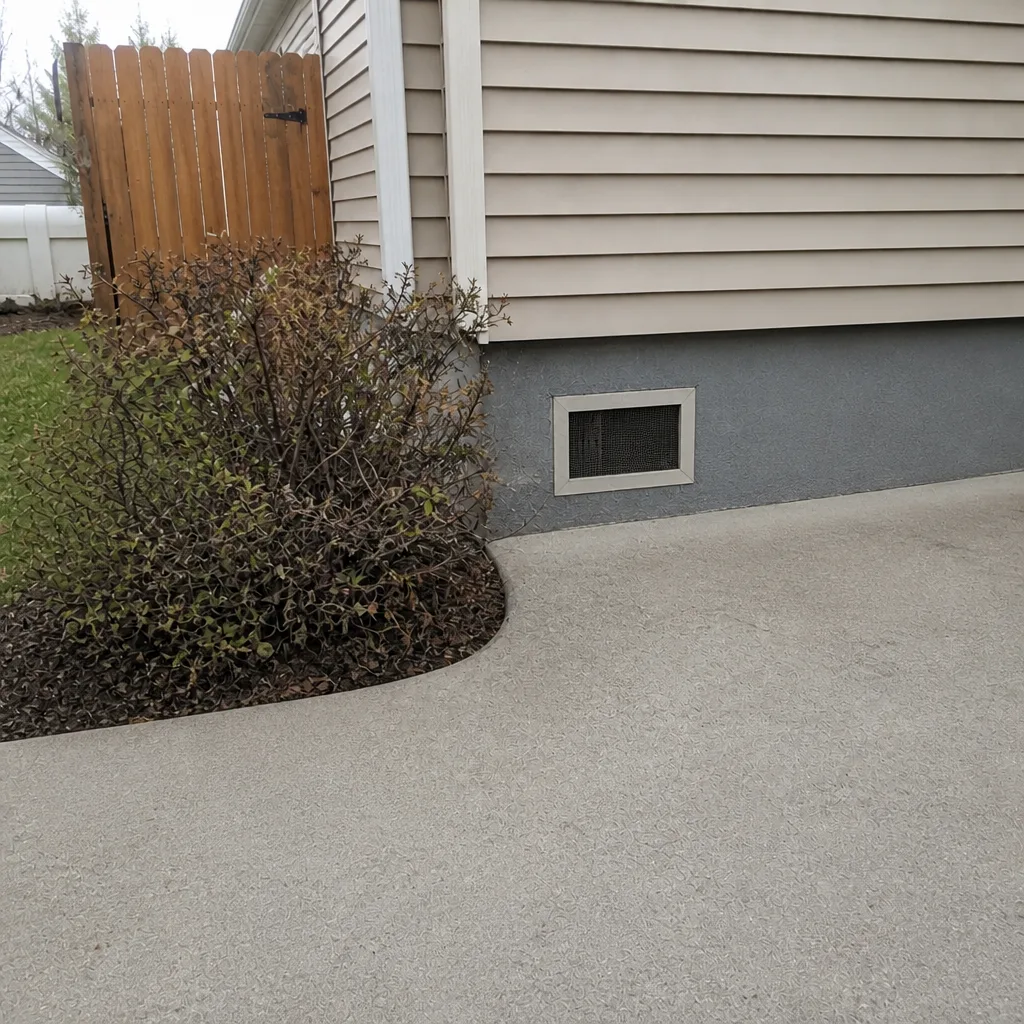 After
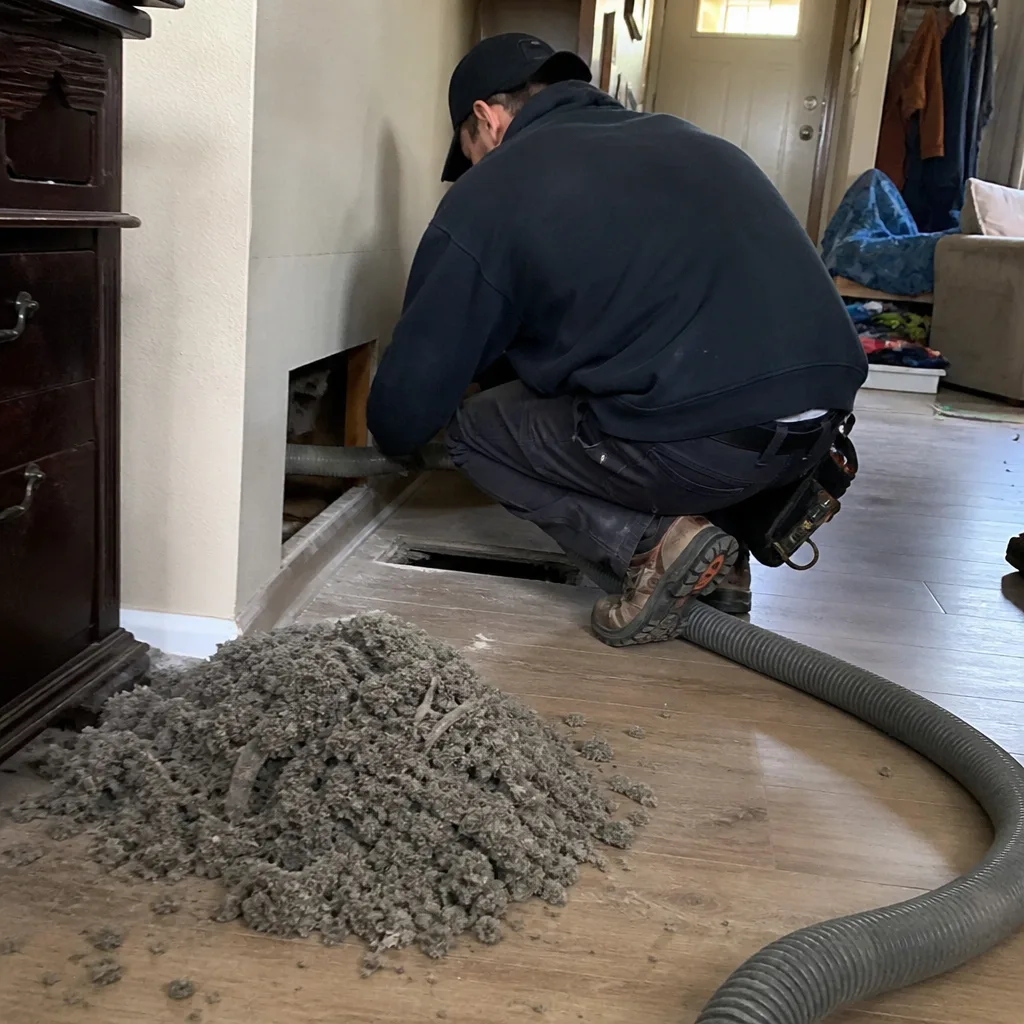 Before
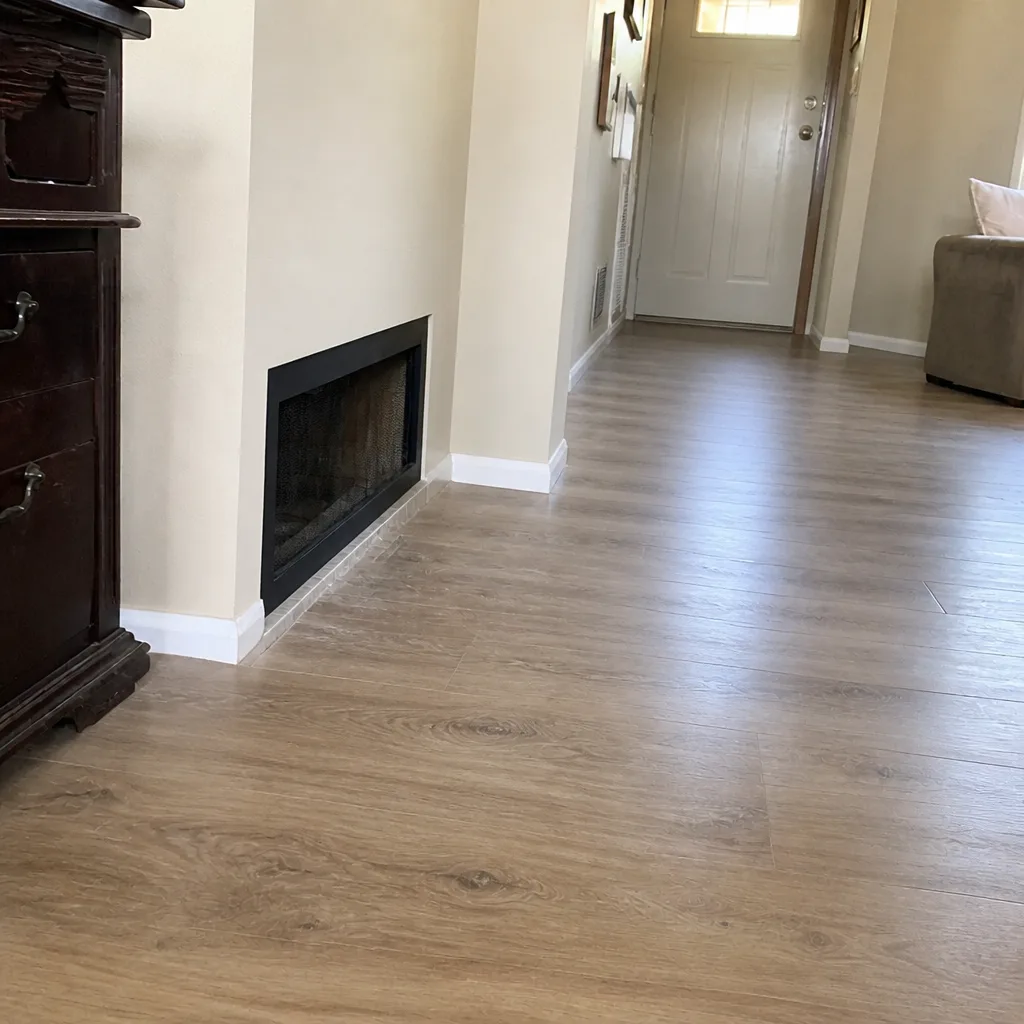 After
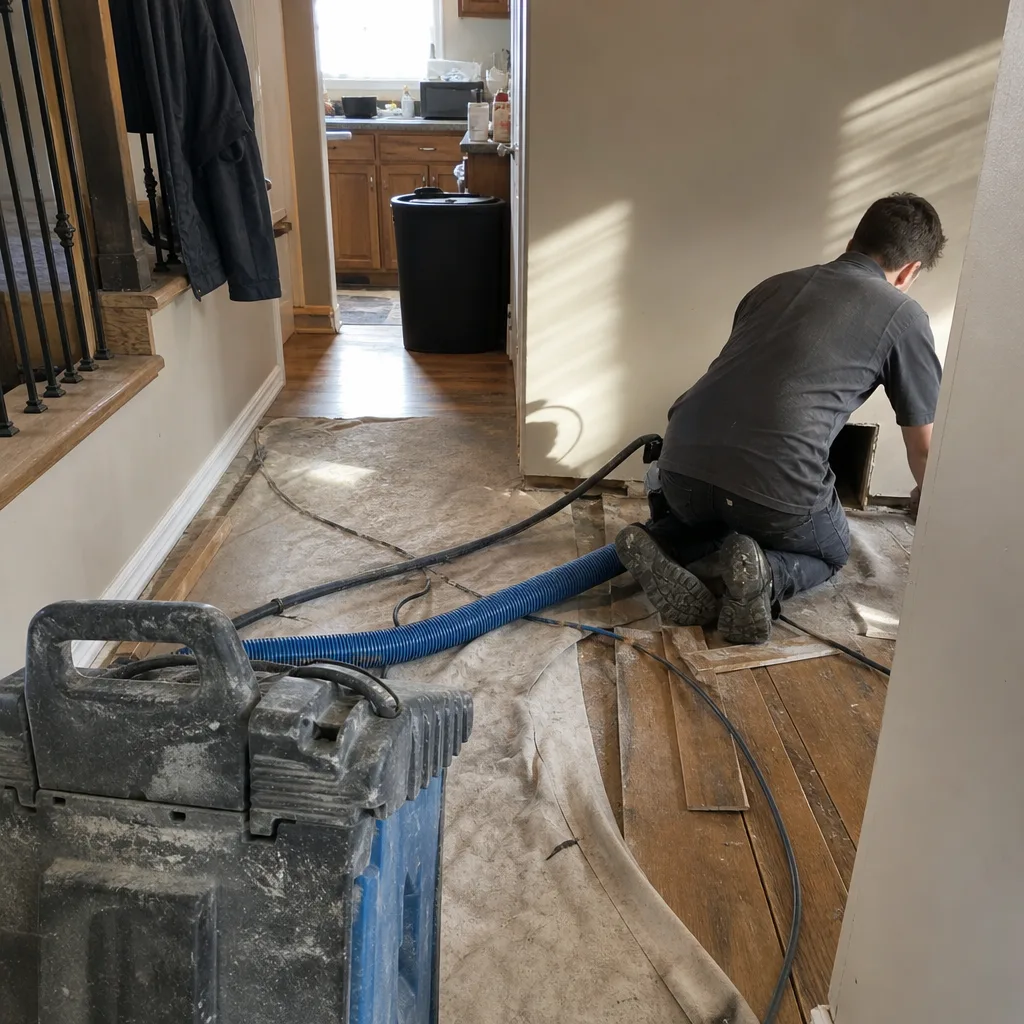 Before
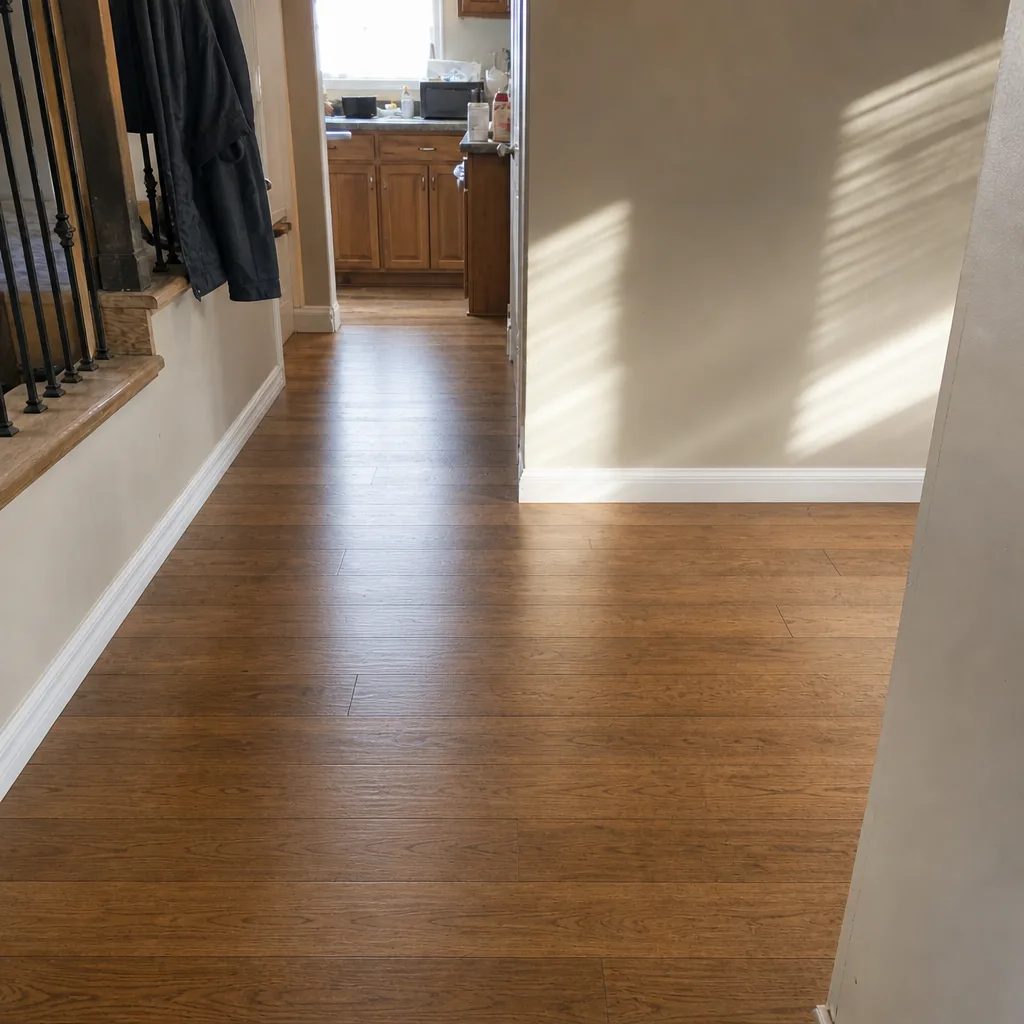 After
Common Mistakes to Avoid
- Cleaning only when something smells. Smell is the late-stage signal. By the time you notice it, contamination has been circulating for months. In Spokane Valley, the ideal time is before the smell, not after.
- Skipping the filter during smoke season. A filter that would normally last two cold months can load in two weeks under a heavy smoke event. Change it on appearance, not the calendar, and you’ll protect the system’s airflow.
- Cleaning without inspecting. Cleaning a broken or disconnected duct leaves the cause in place. When your cleaning visit doesn’t include an inspection of accessible ductwork, you’re paying for a result that will reverse itself.
- Ignoring the crawlspace in winter. Most duct damage in Spokane Valley starts in crawlspace or garage runs. If you check nothing else in winter, check those runs for moisture and jacket damage.
- Assuming spring cleaning has to wait until summer. Spring, right as the heating season ends, is the better window. Waiting for the first hot day means the next smoke season is already on the horizon.
- Hiring a crew with light consumer equipment. A shop vac and a brush on a landlord’s truck isn’t duct cleaning. Serious systems like Rotobrush and Nikro exist for a reason: the equipment determines the result, not the promise.
- Booking a filtration upgrade without sizing it. A high-MERV filter that restricts airflow will strain the blower and leave you with lower airflow. Match the filter to the system, not to a number on the box.
When to Call a Professional
Bring in a professional when the problem is seasonal damage rather than seasonal dust. Winter condensation that damaged a flex run, a joint that’s come apart in the attic, a smoke-season load you want cleaned before the next heating season, or an outdoor intake you can’t access or safely disassemble: those are jobs that need the right equipment and a technician who knows what they’re looking at. A rodent or insect sign in the ductwork is reason enough to call. So is a home with a family member sensitive to smoke or dust, because controlling the source matters more than swapping filters.
Lockhart Air Duct Cleaning offers free estimates in Spokane Valley. Call (844) 352-9945. We answer 24/7. Fast dispatch from 7am to 7pm, Sunday through Friday.
Frequently Asked Questions
Once a year is right for most homes here because the smoke season, the cold season, and the spring growth window each add a distinct load. A home with pets, a smoker, anyone with respiratory sensitivity, or a recent remodel may need more frequent attention. A home that has run for years without any of those conditions may do fine on a longer interval, but the seasonal inspections still matter.
Spring is better for a full cleaning because the ducts are dry and biological growth hasn’t yet ramped up. Fall is a good secondary window, right after the leaves drop and before heating begins. If you can only schedule one appointment a year, plan spring.
Yes: check the filter on appearance, not the calendar, and replace it whenever it looks loaded. Run the fan continuously if you have a quality filter in place, and keep the house closed. If the smoke smell lingers once smoke season ends, ask for an inspection before winter.
Humidity inside the duct isn’t something you can see without looking inside a section of flex duct. A kinked or crushed run in the crawlspace can hold moisture and restrict airflow without obvious damage from outside. An inspection during a cleaning visit will catch it.
Not to a useful standard. A shop vacuum doesn’t generate the pressure or reach the full length of a residential duct run. It can also tear flex duct if the nozzle catches a joint. Professional systems like Rotobrush and Nikro are built to clean controlled and inspected; a home unit isn’t.
No, and you shouldn’t. Cleaning a duct that has a torn jacket or an open joint fixes nothing permanent. We do both in one visit so the repair stays repaired and the clean duct stays clean.
The Bottom Line
The simplest way to think about seasonal duct care in Spokane Valley is this: the air your family breathes gets a different test each season, and each season deserves its own answer. Spring is the best time for a full professional cleaning because the system is driest and biological growth hasn’t started. Summer means filter checks driven by smoke and AQI, not by the calendar. Fall is the exterior walk and intake inspection. Winter is the crawlspace check for moisture and jacket damage. Build a personal version of that cycle, add a professional cleaning at the spring junction, and you’ll handle what each season puts into your ducts before it turns into a repair. To schedule a free estimate, call (844) 352-9945. We answer 24/7. Fast dispatch from 7am to 7pm, Sunday through Friday.
Written by the team at Lockhart Air Duct Cleaning, serving Spokane Valley since 2016.