
Last updated November 14, 2026
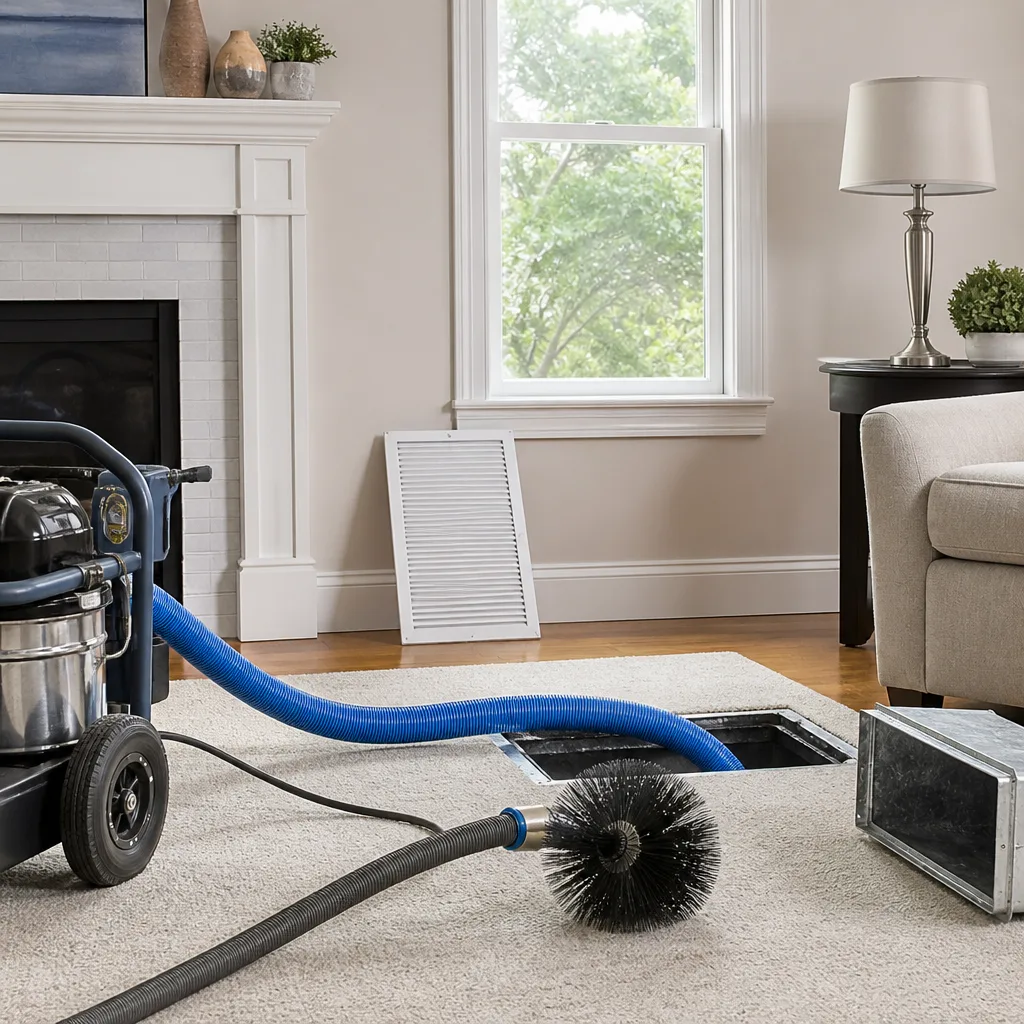 Whole-home duct cleaning
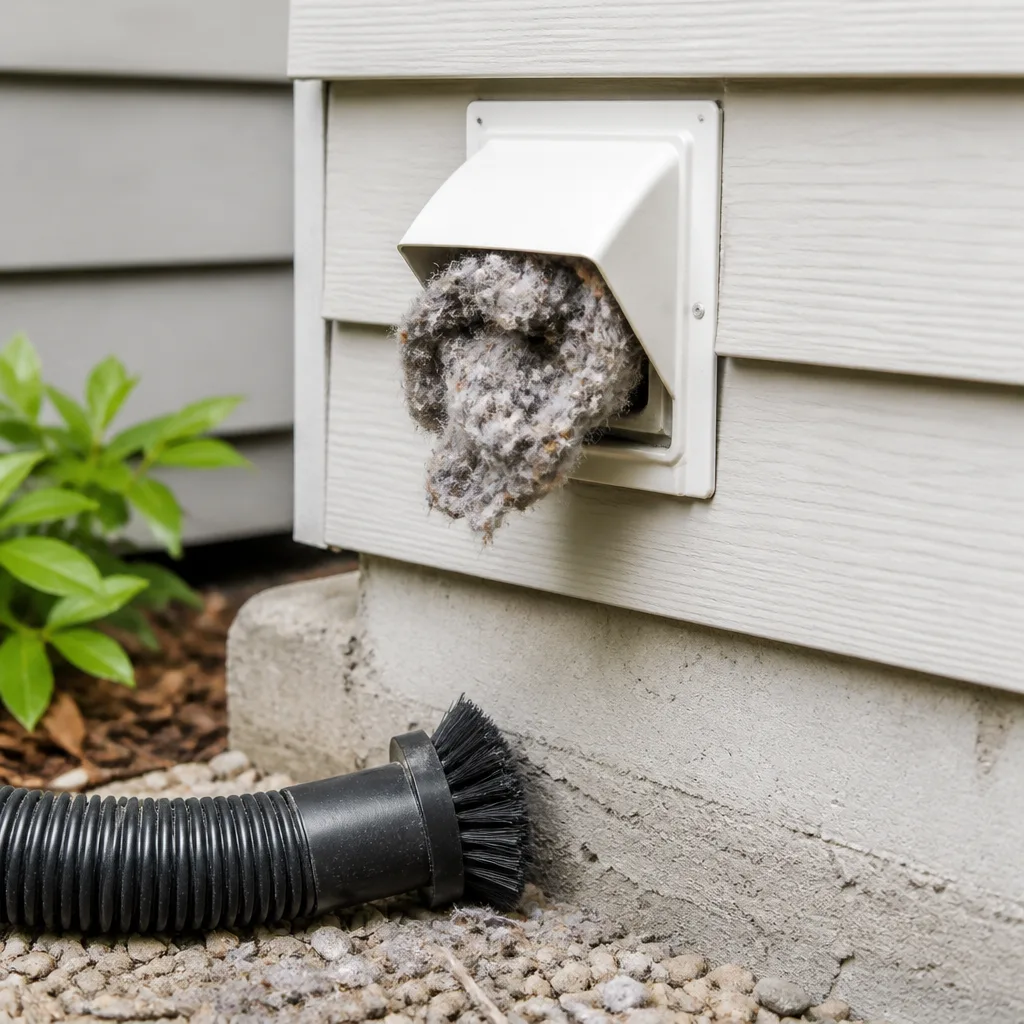 Dryer vent cleaning
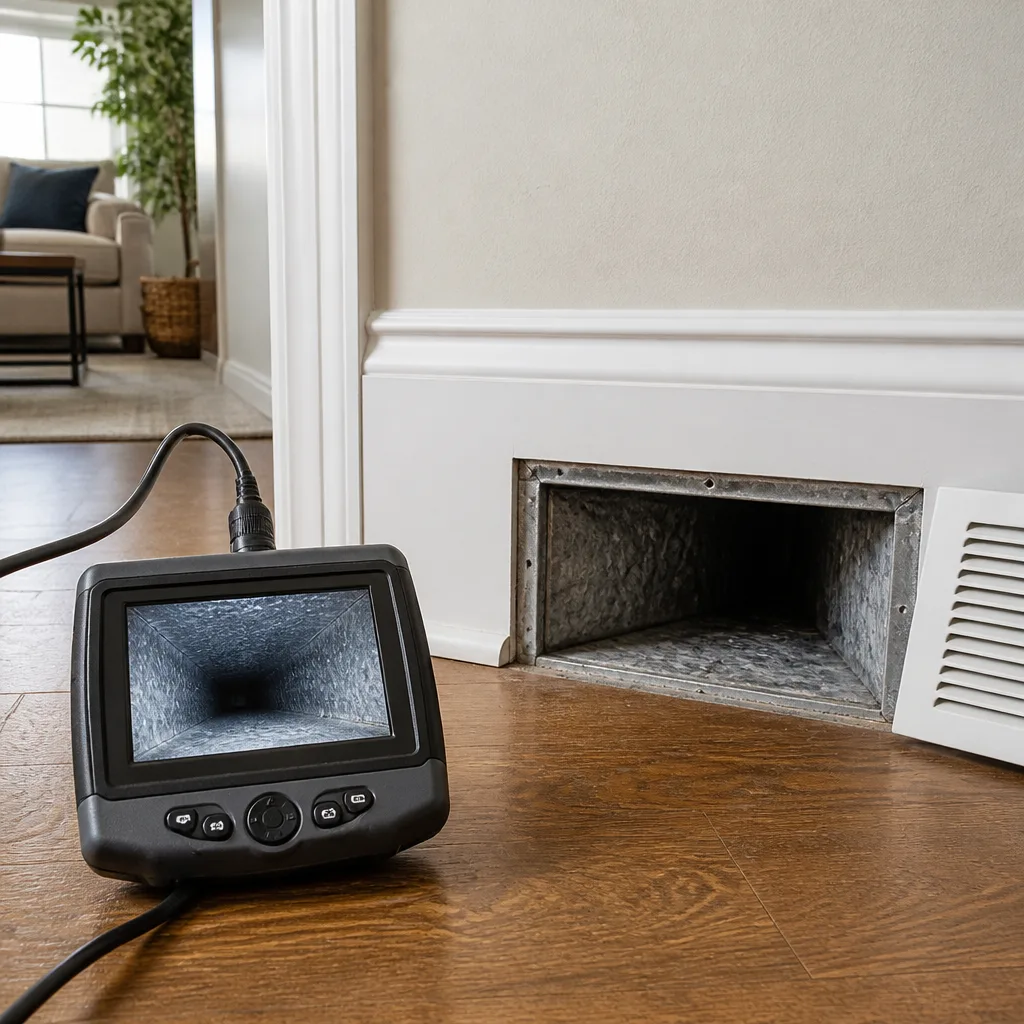 Camera inspection
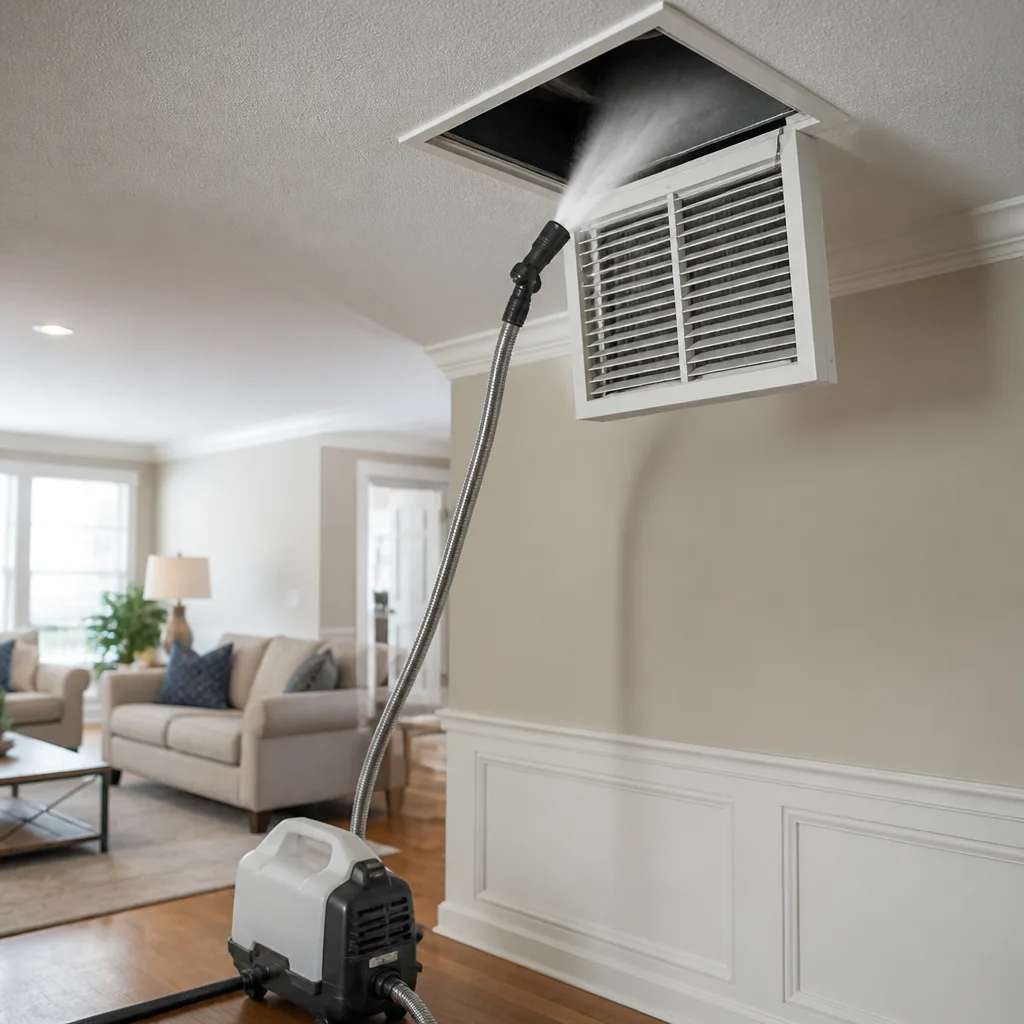 Sanitizing & deodorizing
Whole-system duct and dryer vent check with before-and-after photos - you see exactly what came out of your vents
That "$99 whole-house special" is a bait ad - the real number appears once they are in your hallway, or the "clean" is a shop-vac at the register. We photograph the inside of your ducts before and after instead.
DIY vs Professional Air Duct Cleaning: The Spokane Valley Homeowner’s Decision Guide
A shop vac and a dryer vent brush can make the first 18 inches of ductwork behind every register look spotless. It’s satisfying. It’s also almost meaningless for the 40 feet of trunk line your blower pulls air through every hour of every day. This guide is about why that gap exists, in plain mechanical terms, and how to decide which side of it you’re actually on as a Spokane Valley homeowner. You’ll learn what negative pressure and CFM really mean for duct cleaning, what DIY work legitimately accomplishes, when it’s a reasonable interim measure, and how to tell whether the company that shows up is running commercial-grade equipment or an upgraded shop vac.
Styles & brands we work with
- Whole-home duct cleaning
- Dryer vent cleaning
- Camera inspection
- Sanitizing & deodorizing
Quick Answer
DIY duct cleaning cleans what you can see and reach – registers, grilles, and the first foot or two of accessible duct – while professional cleaning uses high-powered negative-pressure machines and mechanical agitation to pull trapped debris out of the full length of the system. For most Spokane Valley homes with sealed ductwork, flex runs through a crawlspace, wildfire smoke load, or more than ten years of buildup, a shop vac won’t get the job done. DIY is a reasonable interim step between professional cleanings or right after a renovation, but it isn’t a substitute.
Table of Contents
- Why Duct Cleaning Is a Physics Problem, Not an Effort Problem
- The CFM and Negative Pressure Numbers That Actually Matter
- What DIY Duct Cleaning Legitimately Accomplishes
- Tools Worth Buying for DIY Interim Cleaning
- Spokane Valley Conditions That Make Equipment Matter More
- How to Verify a Professional Job Was Actually Done
- Common Mistakes to Avoid
- When to Call a Professional
- Frequently Asked Questions
- The Bottom Line
Why Duct Cleaning Is a Physics Problem, Not an Effort Problem
Dust and debris settle inside a duct system in layers, and much of it clings to the walls of flex and sheet metal rather than sitting loose on the floor of the run. To move that material, you need airflow strong enough to break it free and negative pressure strong enough to carry it out of the system instead of letting it redistribute through the house. That’s the whole game. A person can scrub harder with a brush and still never reach the material 30 feet down a trunk line, because the reach is limited by the tool and the pull is limited by the vacuum.
Duct systems in Spokane Valley homes typically run 30 to 60 feet of trunk line with branch runs to every room. Central returns carry the same volume of air back to the furnace. When the blower cycles, it pulls from every connected run at once, so a single point of cleaning at a register doesn’t move the air column in the rest of the system. That’s why “cleaning the registers” and “cleaning the ducts” are two different jobs that happen to involve the same parts of your house.
Professional cleaning works by sealing the system at the main trunk, connecting a high-volume negative-pressure vacuum, and then using compressed air and mechanical agitation tools to break debris off the walls so it can be drawn into the vacuum while the system is under negative pressure. The homeowner is left with the debris gone from the house, not simply moved from the register to the boot behind it.
We run professional-grade Rotobrush and Nikro systems for exactly this reason: they’re the tools the trade relies on when the goal is extraction, not a cosmetic pass. That’s the same tools commercial contractors rely on, and it’s the difference between cleaning a duct system and vacating a surface. If the underlying ducts are damaged or disconnected, the cleaning work is only half of the solution – which is why we also handle air duct cleaning alongside Lockhart Air Duct Cleaning‘s repair work as a single scope.
The CFM and Negative Pressure Numbers That Actually Matter
CFM means cubic feet per minute, and negative pressure is the pull the machine creates inside the sealed duct. For duct cleaning to lift and carry debris, professional truck- or van-mounted units produce airflow and vacuum measured in the thousands of CFM with sustained negative pressure strong enough to keep dust moving toward the machine, not back into the room. Consumer vacuums, including high-end shop vacs, move air in the low hundreds of CFM and lose most of their pull the moment you put length on the hose. Rental units sit somewhere between the two.
Here’s what that gap looks like in practice:
| Equipment Type | Typical Airflow / Vacuum | What It Can Reach |
|---|---|---|
| Household shop vac | Low hundreds of CFM, drops sharply with hose length | First 1-2 feet at the register; loose surface debris |
| Consumer-grade duct kit | Similar to shop vac; brush does the work | Accessible branch runs; visual inspection |
| Rental duct cleaning unit | Mid-range CFM; inconsistent pressure | Partial branch runs; not full trunk line under load |
| Professional Rotobrush / Nikro system | Thousands of CFM with sustained negative pressure | Full trunk and branches while sealed under vacuum |
The right column is the crux. A machine that can’t hold negative pressure on the whole system can’t keep released debris from drifting back into living space. It pulls what it can reach and leaves the rest exactly where it was. That’s the mechanical reality, and it’s why the DIY vs professional question for duct cleaning in Spokane Valley is really about whether you’re cleaning the ducts or just the openings at the ends of them.
What DIY Duct Cleaning Legitimately Accomplishes
DIY duct cleaning is not wasted effort – it just has a smaller scope than the name suggests. Here’s what a homeowner with the right tools can genuinely accomplish:
- Register and grille cleaning. The supply registers and return grilles collect visible dust, pet hair, and construction debris. Removing the grille, washing it, and vacuuming the boot behind it makes a visible difference.
- Visual inspection. With a flashlight and a mirror or a phone camera on a stick, you can see the condition of the first accessible section of every register boot, look for moisture, and spot a disconnected flex run or a crushed section.
- Accessible debris removal. Directly behind a register, or at the end of a short accessible run, a shop vac can pick up loose material that’s collected right at the opening.
- Dryer vent maintenance. Clearing lint from the dryer duct and the exterior vent is a genuine safety and efficiency task. It’s also the one piece of duct maintenance where a homeowner with the right brush kit can do real work.
- Filter changes. Keeping the furnace filter clean and correctly sized is the single highest-impact DIY air quality habit. Swap it on schedule and it does more for your indoor air than anything else you can do without calling anyone.
What DIY cannot accomplish is meaningful extraction from deep in the trunk line, mechanical agitation of the full system, or clearing a crawlspace flex run that’s 20 feet of travel away from the register you’re working at. In our experience, a homeowner who cleans every register and swaps the filter is doing good maintenance. A homeowner who believes they’ve “cleaned the ducts” after that has usually cleaned the endpoints of the system, not the system.
Tools Worth Buying for DIY Interim Cleaning
If you’re going to do interim work between professional visits, buy a small set of tools and skip the rest. A few hundred dollars on the right items will serve you better than a rental unit and a pile of gadgets.
- A quality shop vac with a fine-particulate filter. A HEPA-rated filter captures the fine dust that ruins air quality when disturbed. A basic shop vac plus a HEPA filter kit handles register cleaning and light debris well.
- A register and grille brush set. Long-handled brushes sized for supply and return openings let you loosen debris without scratching the finish on grilles.
- A dryer vent brush kit. Flexible rods and a brush head sized for the dryer duct; run it from the outside vent inward, and clean up lint as you go.
- A flashlight or phone camera with a stick mount. Visual inspection is underrated; a camera view of the register boot tells you more about your system’s condition than a vacuum ever will.
- Extra furnace filters, correctly sized. Keep two on hand so you’re never tempted to run a dirty one “for another week.”
What’s not worth buying: consumer duct cleaning kits sold at hardware stores that include a short flexible hose and a spinning brush. They reach 6 to 8 feet at most, and the brush can easily break off inside the run if it hits a bend. Those kits solve a drainage problem that doesn’t exist in duct systems, and they cost more than they deliver. Where DIY pushes back against real limits, call in professional equipment rather than forcing a tool past its reach.
Spokane Valley Conditions That Make Equipment Matter More
Some cities have duct systems that tolerate light maintenance and forgive slow buildup. Spokane Valley is harder on ductwork than most homeowners realize, and here’s why.
Wildfire smoke particulate. Summer smoke episodes in the Inland Northwest push fine particulate into every crack, return, and register in the house. That particulate is small enough to travel deep into the system and settle in places no register brush reaches. A professional tune-up after a heavy smoke season is worth more than a dozen DIY register cleanings, because the material lives in the parts you can’t see.
Crawlspace flex duct. A large share of Spokane Valley homes route supply and return runs through the crawlspace, and flex duct is common. Flex duct has ridges, edges, and settled low points where debris collects – and it tears easily if you push a stiff brush into it. Professional equipment handles flex harshly enough to clean it and gently enough not to damage it; a homeowner with a hardware-store kit usually does one or the other.
Older homes and original ductwork. Homes built in Spokane Valley’s older neighborhoods often have original or once-renovated ductwork that’s never been cleaned. Years of settled debris, occasional pest activity, and construction dust from past remodels all accumulate in the same runs. Professional-grade equipment with negative pressure is the only way to pull that out without spreading it through the house.
Dryer vent fire risk. Lint accumulation in a dryer vent is a documented residential fire concern, and it’s one most duct cleaners ignore or treat as an afterthought. It’s a dedicated service for a reason, and if your vent has never been cleaned, that’s a call worth making.
Homes where the gap between DIY and professional narrows: newer construction with sheet-metal ducts, regular filter maintenance, no smoke exposure, and a small, simple layout. In those homes, register cleaning and interim diligence carry more weight. But for most Spokane Valley homes – especially those with crawlspace flex, wildfire exposure, or ducts older than a decade – the physics is the deciding factor. For help sorting out which camp you’re in, Spokane Valley homeowners can get a straight assessment.
How to Verify a Professional Job Was Actually Done
The DIY vs professional question cuts both ways: sometimes the concern isn’t whether you can do it yourself, but whether the company you hired is doing real work. A duct cleaning crew with a consumer-grade shop vac and a spinning brush is charging for the appearance of professional cleaning. Here’s how to tell the difference.
- Ask what equipment they run before booking. A serious company will name specific machines, not “professional equipment.” Brands like Rotobrush and Nikro are recognizable industry-standard systems. If a company can’t say what they use, that’s the answer.
- Watch the setup. Professional cleaning starts by sealing the main trunk and connecting a high-volume vacuum. If the crew opens registers and starts vacuuming without setting up negative pressure at the system, the debris is going back into the house.
- Ask about the process for return ducts. Returns carry the dirtiest air in the system. If a company describes a single pass through supply vents only, ask what happens to the return side.
- Request before-and-after photos. A professional company can show you images of your own ducts before and after the clean. If they show stock photos or skip photos altogether, ask why.
- Ask whether the system will be inspected for damage. Disconnected joints, torn flex duct, and crushed sections are common findings. A company that only cleans – and doesn’t check – can’t fix the root cause of the problem it just cleaned around.
- Watch the price structure. A professional job is priced per system, agreed before work begins. If the price moves once the van is in your driveway, that’s a signal about the whole visit.
We recommend asking these questions no matter who you hire, including us. A company that welcomes them is doing the work you’re paying for. One that dodges them tells you something before the machine even turns on.
Common Mistakes to Avoid
- Cleaning registers and calling it duct cleaning. Registers are the easy end of the system and the least meaningful part where buildup is concerned. If you’ve cleaned every grille and the house still smells like smoke in August, the ducts are the problem and the registers never were.
- Using a stiff brush on flex duct. Flex duct in a Spokane Valley crawlspace tears at the ridges, and a tear is expensive to find and fix. A brush that catches on a ridge can also break off inside the run; leave flex cleaning to equipment designed for it.
- Renting a duct-cleaning unit without sealing the system. The unit is only half the job; the other half is negative pressure on the whole system. A rental vacuum running loose in a register pulls dust back into the room rather than out of the house.
- Skipping the filter reset. Dust that comes out of the ducts ends up in your filter – or, worse, in your furnace and blower. Change the filter right after any cleaning work, professional or DIY.
- Believing a coupon price is the price. A teaser figure quoted up front can become a much larger invoice once the crew is on site. A written estimate that sets a flat price per system before work starts is the honest version of the same conversation.
- Treating dryer vents as an afterthought. A dryer vent that hasn’t been cleaned is a slow-motion fire concern, and it’s the duct in your house most likely to be genuinely neglected. Get it checked on the same visit as duct work when possible.
- Assuming newer construction doesn’t need it. Remodel dust, hobby contaminant, and pest activity accumulate in any ductwork. “It’s only six years old” is common, and it’s not a reason to skip a visual inspection.
When to Call a Professional
Call a professional when the question stops being about effort and starts being about reach. The clearest scenarios:
- You’ve lived in the home for several years and ducts have never been cleaned, particularly if the home is older or has original ductwork in a crawlspace.
- You’re seeing visible dust after a register cleaning within weeks, or noticing musty or smoky smells when the system runs.
- You’ve had a major renovation, pest activity, or water intrusion anywhere near the duct system.
- You’ve gone through a heavy wildfire smoke season and want the system reset, not just the registers wiped.
- Your dryer vent has never been cleaned, or the vent cover outside shows lint buildup.
- You suspect a disconnected joint, torn flex duct, or crushed section, and you want it identified and repaired, not just cleaned around.
Lockhart Air Duct Cleaning offers free estimates in Spokane Valley – call (844) 352-9945. We answer 24/7. Fast dispatch from 7am to 7pm, Sunday through Friday.
For the cleaning work itself, our dryer vent cleaning service handles the neglected vent on the same visit as the duct work. And if the inspection turns up damage, we handle the repair as part of the same scope, so you’re not calling a second company to finish what the first one started.
Frequently Asked Questions
You can clean the registers, grilles, and the first foot or two of accessible duct with a shop vac and brush kit, and it’s worth doing between professional cleanings. What you can’t do with consumer equipment is pull settled debris out of the trunk line and crawlspace flex runs, because a shop vac can’t generate the negative pressure or airflow required. Register cleaning is maintenance; duct cleaning is a different job.
Ask what machines they run before booking, and remember the answer. Professional duct cleaning uses high-volume negative-pressure units with mechanical agitation tools, and names like Rotobrush and Nikro are recognizable in the trade. A company that can’t name its equipment, or that shows up with a shop vac and a spinning brush, is doing cosmetic work. Ask for before-and-after photos of your own ducts and watch the setup at the main trunk – a real job starts with the system sealed under negative pressure.
Most homes benefit from professional cleaning every few years, and homes in Spokane Valley with crawlspace flex duct, wildfire smoke exposure, pets, or recent renovations often need it more often than that. The honest answer depends on the findings: a visual inspection tells you what’s actually in the system rather than what the calendar suggests. Regular filter changes reduce the load between cleanings, and register cleaning in between helps.
Cheap quotes usually reflect a different scope – register-only work, a pass with a consumer vacuum, or a teaser price that grows once the crew is on site. Real duct cleaning requires commercial equipment, a sealed system, and enough time to inspect the whole layout, and no written estimate that reflects that scope is going to be the lowest number in the search results. Ask what’s included before comparing prices. Call (844) 352-9945 for a free estimate – estimates are free, and we set one flat price per system in writing before any work begins.
Cleaning lint from an accessible dryer vent line and the exterior vent is a reasonable DIY task with the right brush kit, as long as you can reach the full run and the vent routing is simple. If the duct has elbows you can’t reach, a long run to the exterior wall, or if the outdoor vent flap is stuck or stuffed with lint, that’s the point to bring in professional equipment. The vent brush kit is the one DIY tool with a real safety payoff.
Yes, if it disturbs settled debris and doesn’t capture it. A shop vac running at a register without the system sealed under negative pressure can release fine dust back into the room, particularly the smoke particulate that builds up in Spokane Valley homes. Do register cleaning with a HEPA filter on the shop vac, change the furnace filter afterward, and don’t force a brush deep into a flex run you can’t recover it from. Call (844) 352-9945 for an exact quote if you’re unsure what your system needs – estimates are free.
The Bottom Line
The DIY vs professional duct cleaning decision comes down to one question: what can your equipment actually reach? Consumer vacuums handle registers and the first accessible foot or two, and that work is worth doing on a schedule. They don’t generate the negative pressure or airflow needed to extract debris from a 40-foot trunk line, and they can’t safely handle crawlspace flex duct or smoke-saturated systems. If your ducts are new, simple, and recently serviced, interim DIY register cleaning may be enough. If they’re older, crawlspace-routed, smoke-exposed, or have never been cleaned, the equipment is the deciding factor. And whatever you choose, dryer vent cleaning is a separate task with a real safety benefit behind it. We’ve built our company to handle the whole scope – cleaning, repair, and filtration – because most systems need all three checks in one visit to leave you with cleaner air. Call (844) 352-9945 for a free estimate. We answer 24/7. Fast dispatch from 7am to 7pm, Sunday through Friday.
Written by the team at Lockhart Air Duct Cleaning, serving Spokane Valley since 2016.
See the difference
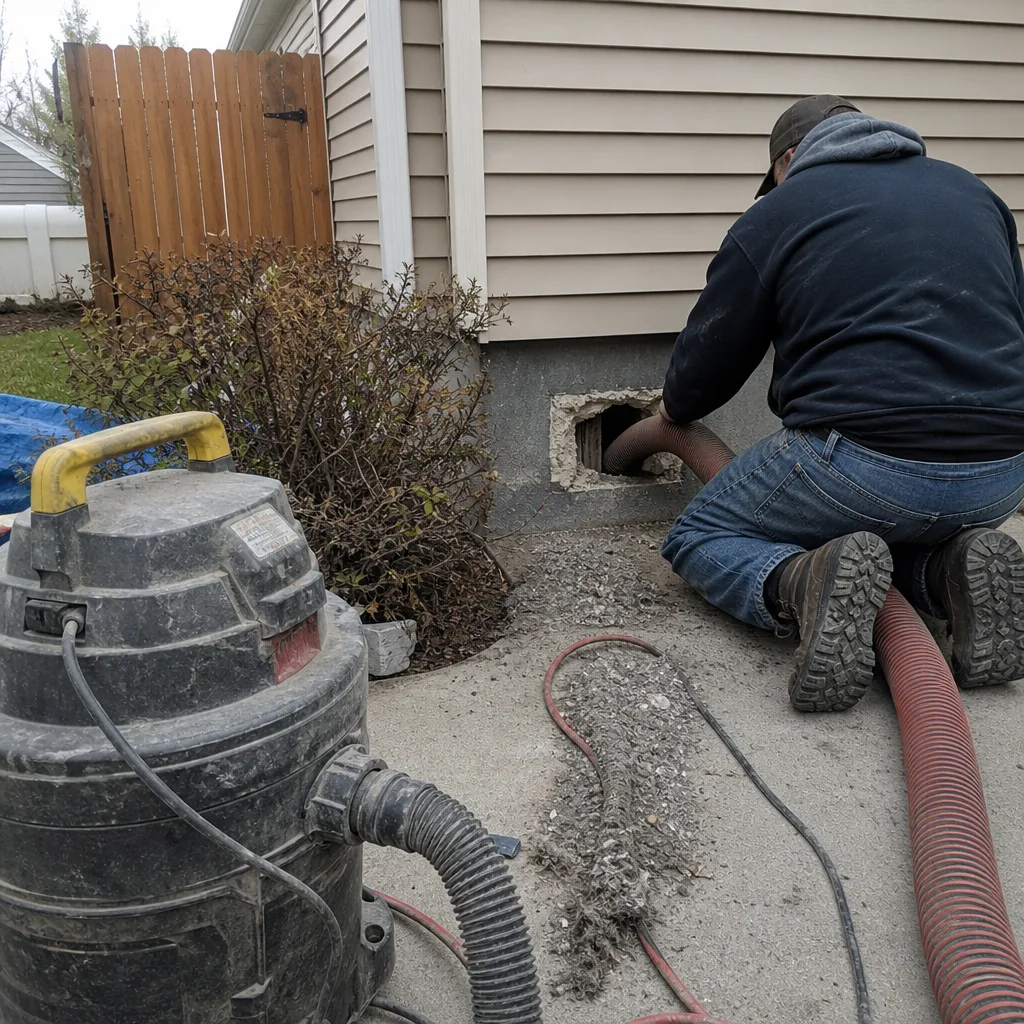 Before
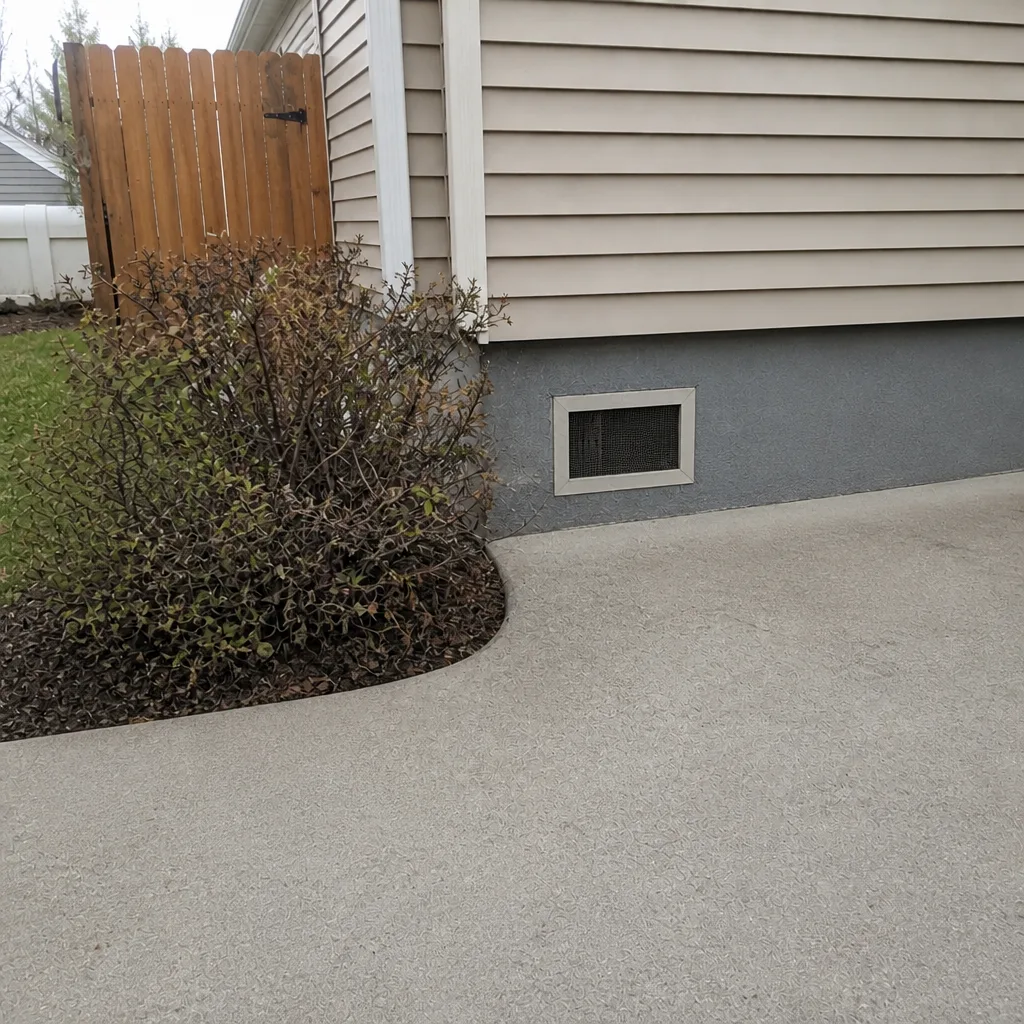 After
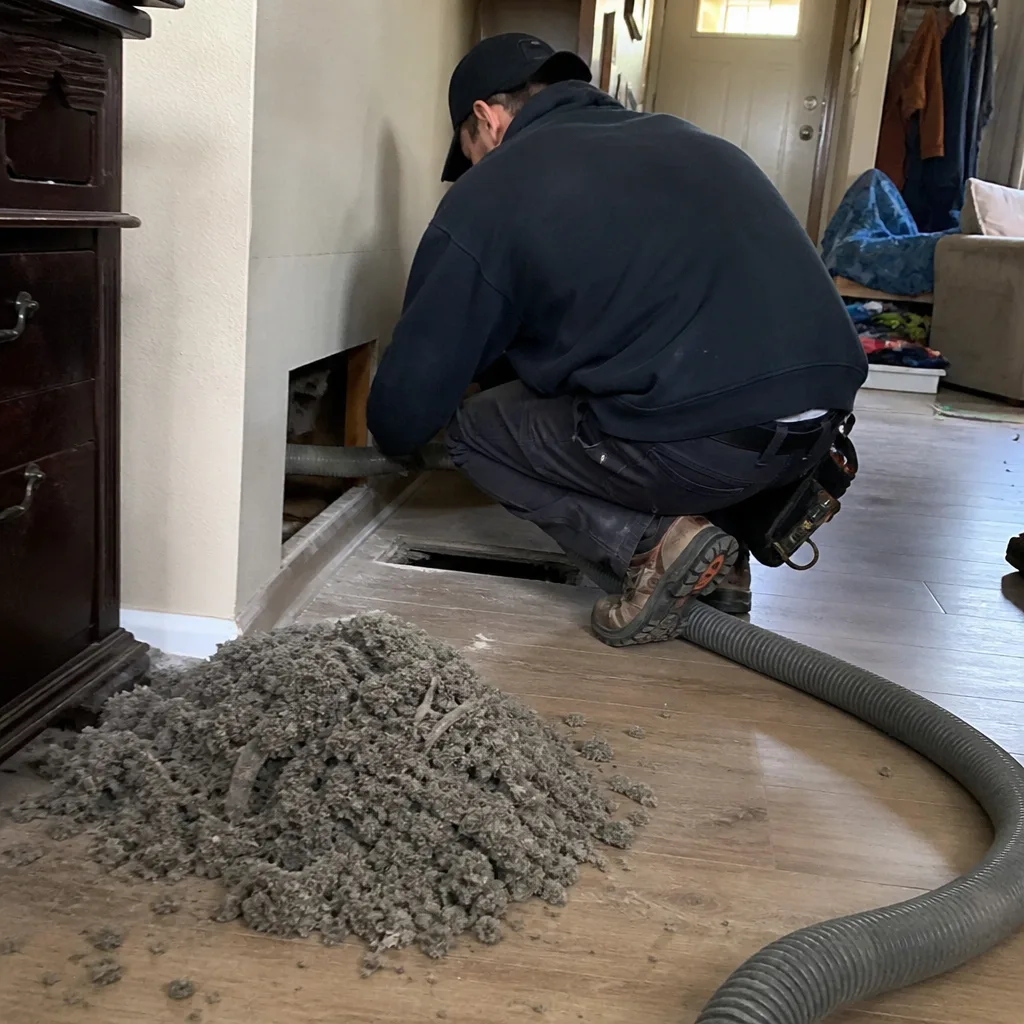 Before
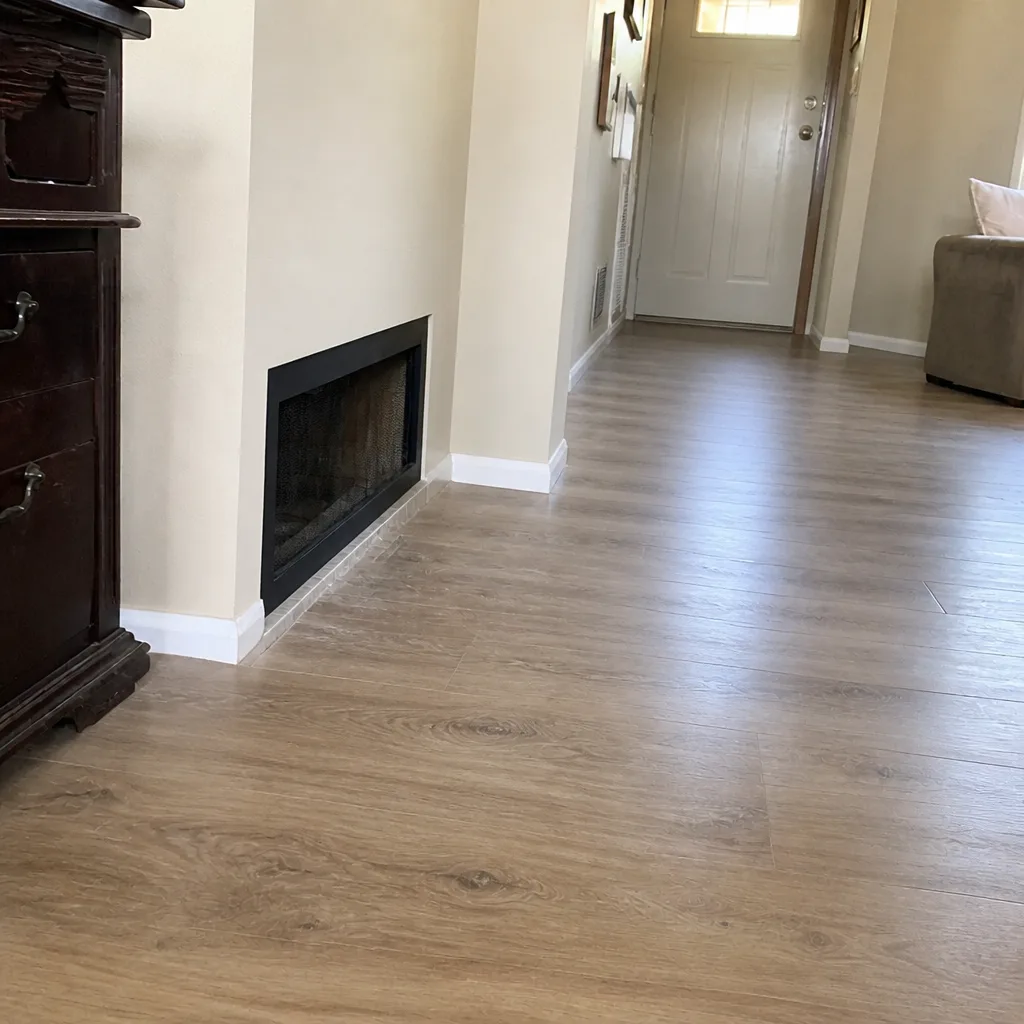 After
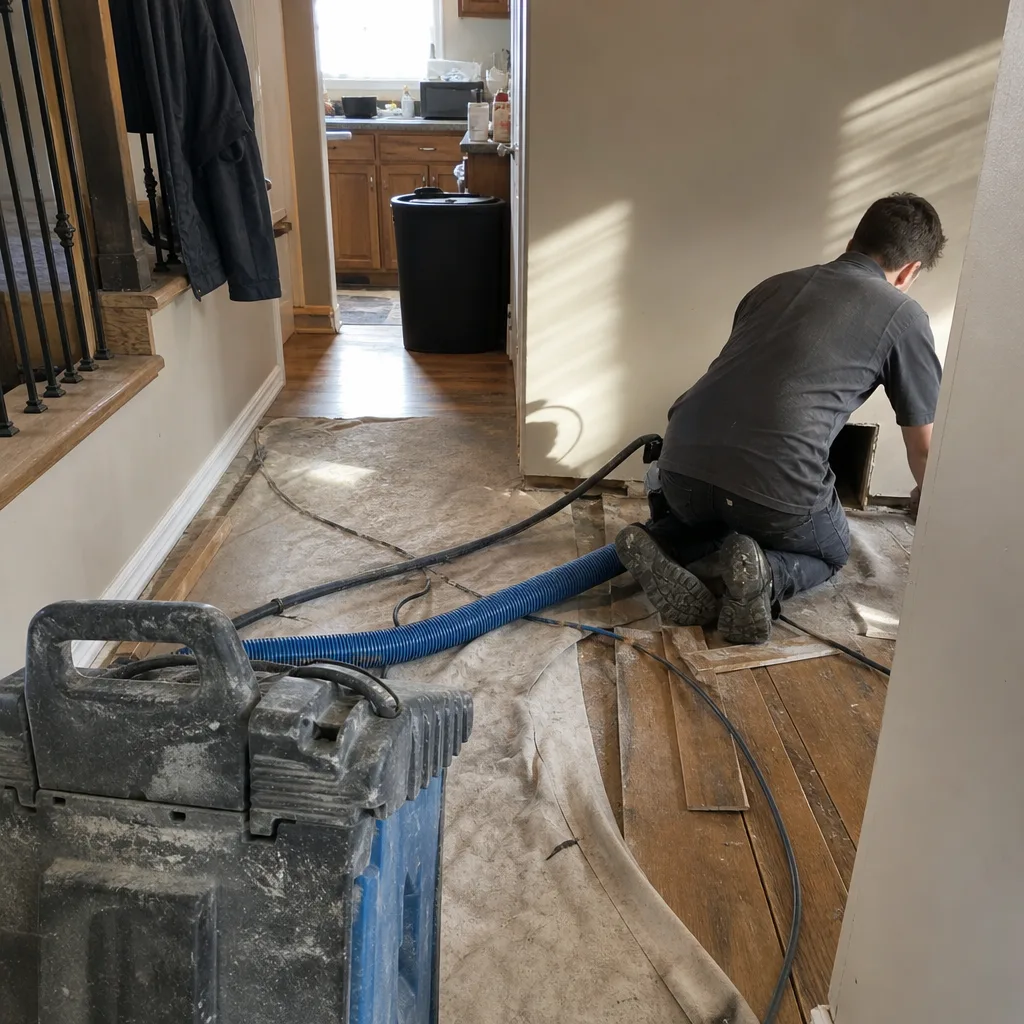 Before
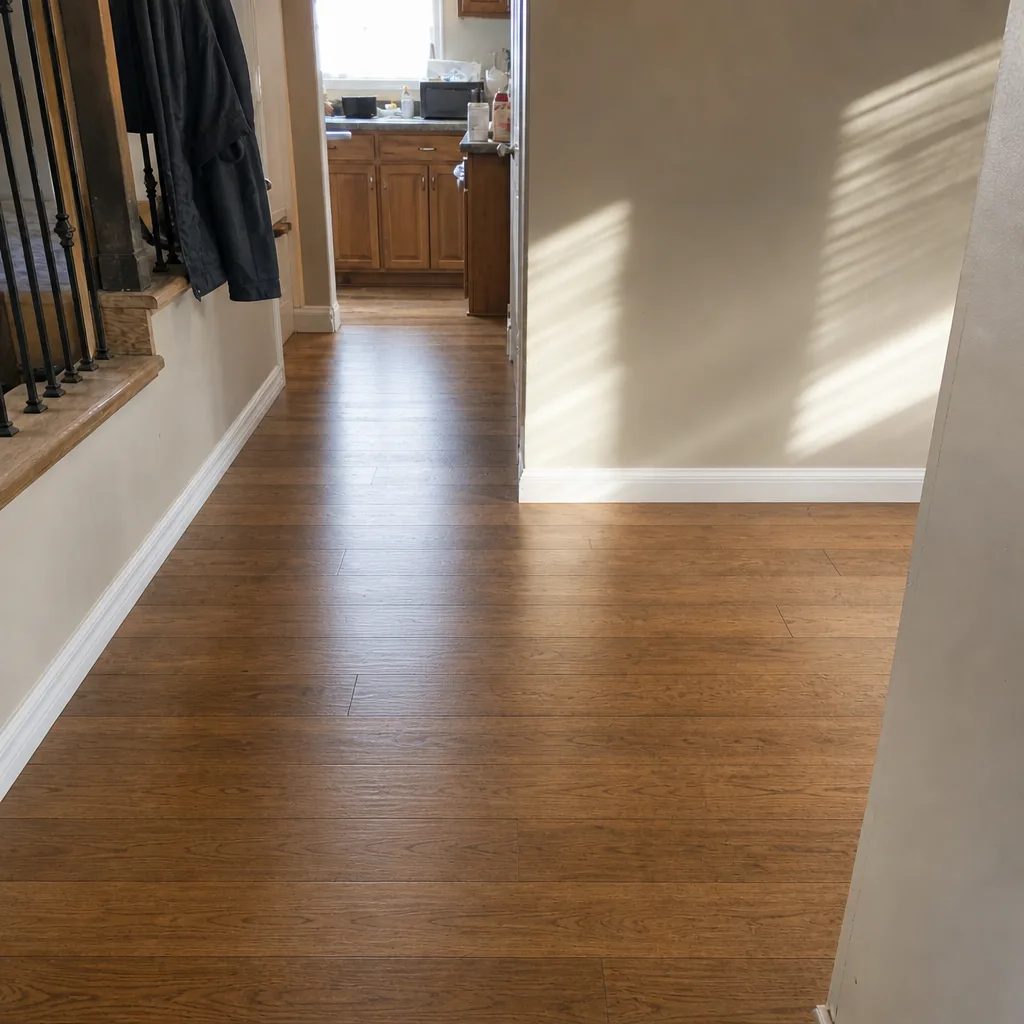 After