
Last updated November 14, 2026
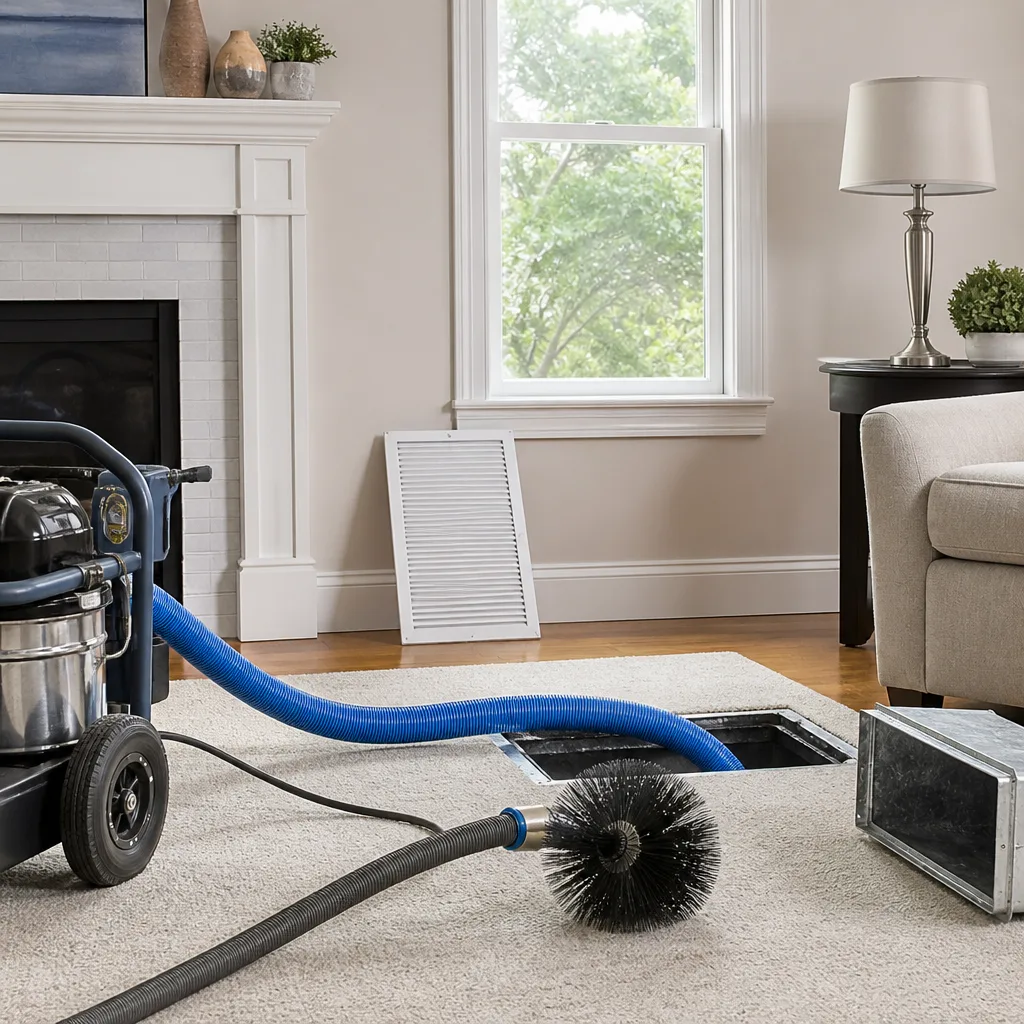 Whole-home duct cleaning
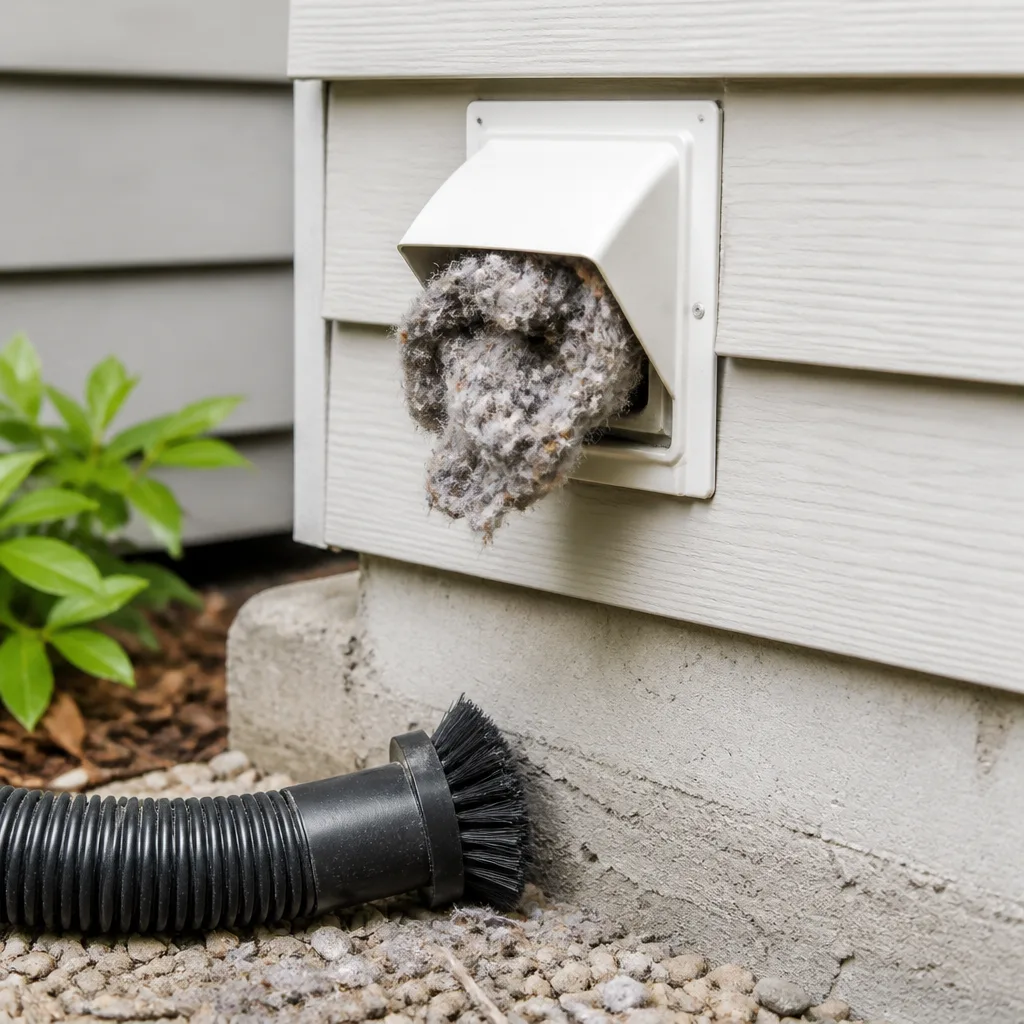 Dryer vent cleaning
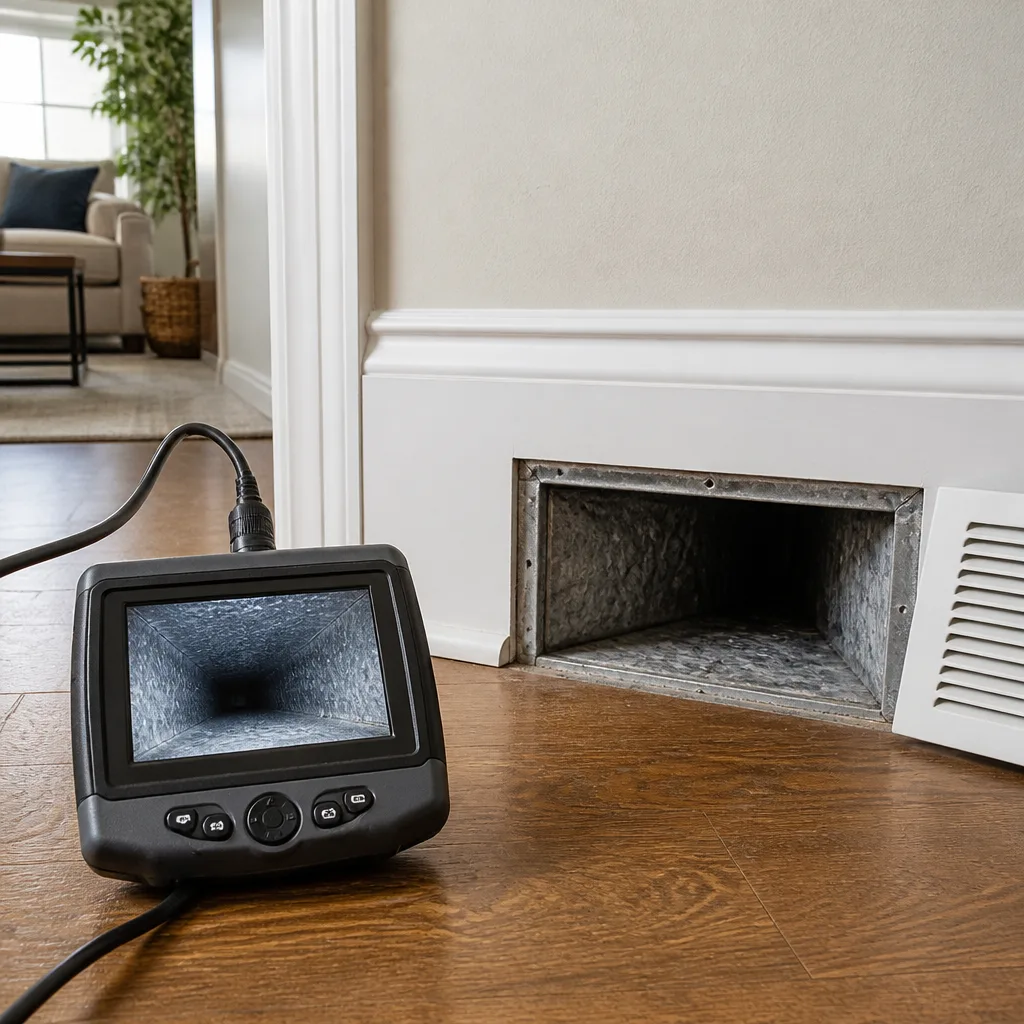 Camera inspection
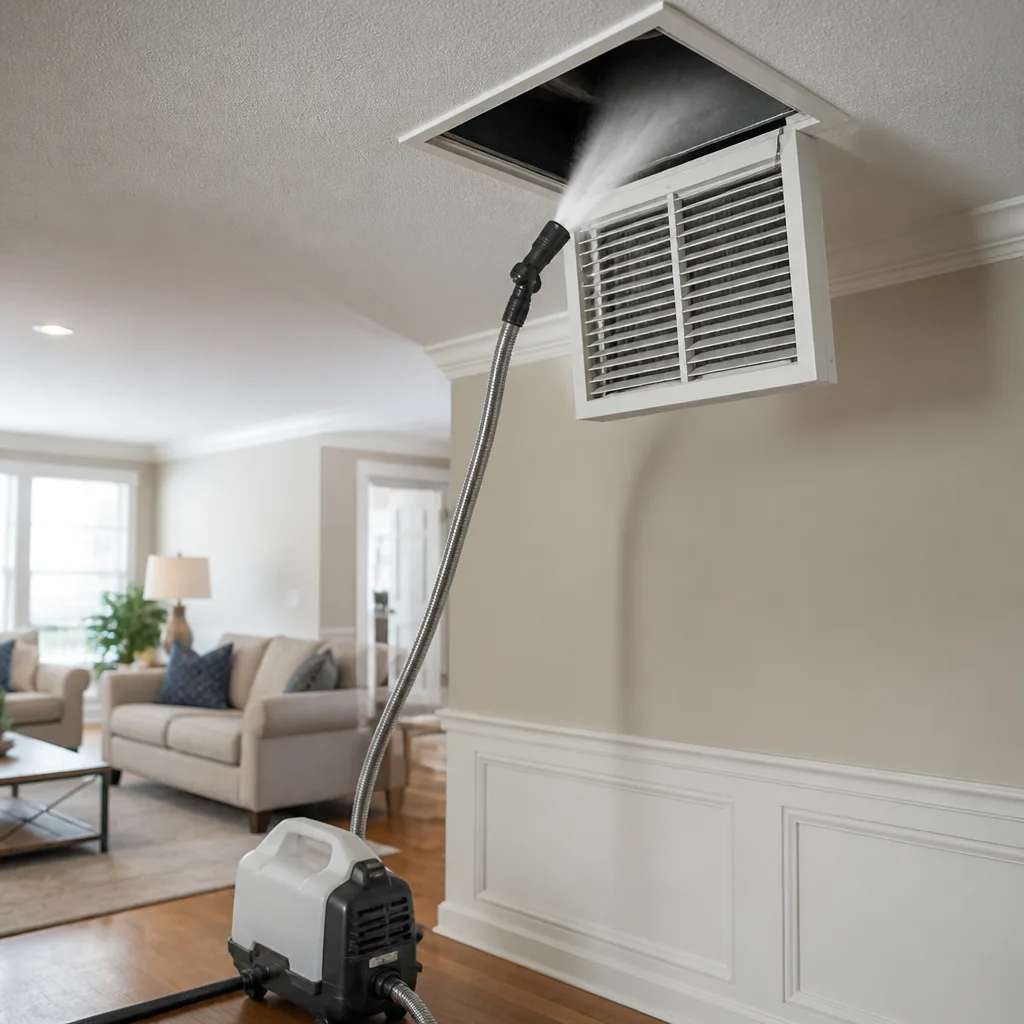 Sanitizing & deodorizing
Whole-system duct and dryer vent check with before-and-after photos - you see exactly what came out of your vents
That "$99 whole-house special" is a bait ad - the real number appears once they are in your hallway, or the "clean" is a shop-vac at the register. We photograph the inside of your ducts before and after instead.
How to Hire an Air Duct Cleaning Contractor in Spokane Valley: A Step-by-Step Guide
In Washington State, anyone with a van, a shop vac, and a magnetic sign can legally advertise air duct cleaning. Washington does not issue a license specific to duct cleaning, so there’s no state credential that separates a trained technician from a weekend operator. That surprises most homeowners. It also means the entire hiring decision rests on the questions you ask before anyone touches your system.
This guide walks you through those questions in order – the equipment to ask about, the credentials worth checking, the quote structure that tells you whether a contractor has actually looked at your home, and the red flags that show up in low-ball offers around Spokane Valley. By the end you’ll know exactly what to ask and what a good answer sounds like.
Quick Answer
Hiring an air duct cleaning contractor in Spokane Valley comes down to four checks: confirm the contractor uses professional-grade equipment (Rotobrush and Nikro systems are the industry standard), verify NADCA membership or certification as a baseline credibility signal, demand a pre-job inspection and a written line-item quote rather than a flat phone price, and ask for before-and-after photos of your own ducts as documentation. A legitimate contractor will welcome all four questions. A low-bid operator will dodge them.
Styles & brands we work with
- Whole-home duct cleaning
- Dryer vent cleaning
- Camera inspection
- Sanitizing & deodorizing
Table of Contents
- Why There’s No License to Check – and What That Means for You
- The Equipment Questions That Separate Pros From Pretenders
- What NADCA Membership Actually Requires
- How to Read an Air Duct Cleaning Quote
- The Pre-Job Inspection: What a Real Contractor Tells You Before Starting
- Red Flags Specific to Spokane Valley
- What You Should Receive When the Job Is Done
- Cleaning Versus Repair: Why the Distinction Matters
Why There’s No License to Check – and What That Means for You
Washington State regulates electricians, plumbers, and HVAC contractors who handle refrigerant. It does not regulate duct cleaning as a standalone trade. There is no state exam, no bonding requirement tied to duct work, and no license number you can look up to confirm competence. Any business with a registered name can put “air duct cleaning” on its van.
That gap puts the vetting process entirely in your hands. In a market like Spokane Valley, where older homes with original ductwork sit alongside newer builds, the difference between a proper cleaning and a surface pass is significant. Homes here deal with a dry, dusty climate through summer and heavy pollen loads in spring. Ducts collect that material year after year, and how well it gets removed depends almost entirely on who shows up and what they bring.
Because there’s no license to verify, your protection comes from four things:
- Equipment verification. Ask what machine they use and whether it’s truck-mounted or portable.
- Industry credentials. NADCA membership or certification is voluntary, which makes it a meaningful signal.
- Quote structure. A written line-item quote means someone assessed your system first.
- Documentation. Photos before and after, plus a written summary of what was found and done.
None of these require a state license. All of them require a contractor who takes the work seriously. When we talk with homeowners in Spokane Valley, this is where the conversation always starts – not with price, but with what the job actually involves.
The Equipment Questions That Separate Pros From Pretenders
Equipment is the single most reliable indicator of whether a duct cleaning will be done properly. A shop vac and a whip brush can knock loose surface dust. It cannot remove the compacted debris, construction residue, and settled particulate that builds up in ducts over years. The machine matters because the physics matter: you need enough air volume and agitation to dislodge material and carry it out of the system.
Here are the questions to ask, and what a credible answer sounds like:
- “What cleaning system do you use?” Serious contractors name their equipment. Rotobrush and Nikro are recognized professional-grade duct cleaning systems used across the industry. If the answer is vague (“we use a special vacuum”), press further.
- “Is it truck-mounted or portable?” Both can work, but truck-mounted units typically generate stronger suction. Portable professional units are common in residential work and are fine when they’re the real thing, not a shop vac with a hose adapter.
- “What’s the CFM rating?” CFM means cubic feet per minute – the air volume the machine moves. Higher is better for evacuating debris. A contractor who can’t tell you roughly what their equipment moves hasn’t been trained on it.
- “What kind of brush or agitation system do you use?” Rotary brush systems driven by compressed air or a flexible shaft are standard for effective duct cleaning. Ask whether the brush is sized to your duct type.
- “Do you use negative pressure?” A proper setup creates negative pressure in the duct system so dislodged debris travels toward the vacuum, not into your living space.
We run Rotobrush and Nikro systems because they’re the same class of equipment commercial contractors rely on, and they hold up to the variety of duct layouts found in Spokane Valley homes. Professional-grade equipment, residential pricing – that’s the standard we hold ourselves to. If a contractor can’t answer these five questions clearly, that’s your answer about the rest of the job.
What NADCA Membership Actually Requires
The National Air Duct Cleaners Association (NADCA) is the closest thing the industry has to a credentialing body. It publishes the ACR Standard, the recognized standard of care for duct cleaning, and offers certification for individual technicians and membership for companies. Because it’s voluntary, a contractor who holds membership or certification has chosen to be held to a standard – which is exactly what you want when the state doesn’t require one.
Here’s what to ask and why it matters:
- “Are you a NADCA member or NADCA-certified?” Either answer is a positive signal. Certification typically requires passing an exam and maintaining continuing education. Membership means the company has agreed to follow NADCA’s standards.
- “Can you show me the ACR Standard you follow?” The standard addresses source removal – actually extracting contaminants rather than just blowing them around. A contractor familiar with it will explain the process in those terms.
- “Who will be doing the work, and are they trained on the equipment?” Certification at the company level doesn’t guarantee the technician on your job is trained. Ask directly.
NADCA isn’t a license and doesn’t replace your own judgment. But in a field with no state barrier to entry, it’s the minimum credibility check. A contractor who has never heard of it, or dismisses it, is telling you something. Pair this with the equipment questions above and you have a solid two-part screen before anyone sets foot in your home.
How to Read an Air Duct Cleaning Quote
A flat single-number bid given over the phone, before anyone has seen your home, is a warning sign. Duct systems vary enormously – number of vents, duct material, accessibility, whether the system has been cleaned before, whether there’s evidence of pest activity or moisture. A contractor who quotes a fixed price without looking is either guessing or planning to upsell once they’re inside.
A proper quote has structure. Here’s what line items you should see:
- Number of supply and return vents included. The quote should state exactly what’s covered so there’s no per-vent surprise later.
- Main trunk line cleaning. Some low bids cover only the branch runs and skip the main trunk where most debris collects.
- Equipment and method. What machine, what agitation, whether negative pressure is used.
- Pre- and post-job inspection. Listed as part of the scope, not an add-on.
- Any repair work identified. If the inspection reveals disconnected joints or crushed flex duct, that should be quoted separately with your approval.
- Documentation. Before-and-after photos, written summary.
We give one flat price per system, agreed before work starts. No per-vent charges added at the end, no bait-and-switch coupon that becomes a larger invoice once the van is in the driveway. That’s a deliberate choice, because the reputation problem in this industry is real and homeowners in Spokane Valley are right to be skeptical of any quote that sounds too good. For a closer look at what a full job involves, see our air duct cleaning page.
The Pre-Job Inspection: What a Real Contractor Tells You Before Starting
Before a single piece of equipment comes through your door, a legitimate contractor walks the system with you. This step is where the quote gets grounded in reality, and it’s where you learn what you’re actually paying for. If a contractor wants to start work without an inspection, stop the job.
Here’s what the pre-job walkthrough should cover:
- Access points. The contractor should tell you where they’ll need to connect equipment – typically at the furnace or air handler, and at individual vents depending on the system. They should also tell you what furniture or belongings need moving, and who moves them.
- System condition findings. Anything visible during the walkthrough – disconnected joints, crushed sections, rust, moisture, pest evidence – should be noted and discussed before cleaning starts.
- Estimated duration. A real estimate, not a vague “a couple of hours.” Duct cleaning on a typical Spokane Valley home runs several hours for a thorough job.
- What happens with the findings. If the inspection turns up a repair issue, the contractor should explain it, quote it separately, and let you decide.
- What you’ll receive afterward. Confirm the documentation before they start, so there’s no ambiguity at the end.
When we inspect a system, we’re looking for the root cause of contamination and airflow loss, not just the dust itself. That’s why we offer air duct repair alongside cleaning – a surface clean on a system with a disconnected joint or crushed flex run doesn’t solve the problem. For homeowners with an older system or one that’s never been cleaned, that inspection often reveals issues worth fixing during the same visit.
Red Flags Specific to Spokane Valley
Certain patterns show up again and again with cut-rate operators, and they’re worth knowing before you pick up the phone. None of these are about price alone – a fair price is fine. These are about how the work is sold and scoped.
- A price quoted before anyone sees your home. Duct systems differ too much for a phone quote to be honest. It’s either a guess or a hook.
- No pre-job inspection offered. If they want to start immediately without walking the system, they’re not planning to do the diagnostic work that makes cleaning effective.
- Vague scope of work. “We’ll clean your ducts” without specifying supply, return, and main trunk counts is not a scope. Ask for specifics in writing.
- No post-job documentation. Before-and-after photos of your own ducts should be standard. A contractor who doesn’t take them either isn’t proud of the work or didn’t do it.
- Per-vent pricing that balloons. A low base price with per-vent add-ons can end far higher than a flat quote. Ask what the total is before work starts.
- No answer on equipment. A contractor who can’t name their machine or explain how it works hasn’t invested in training or equipment.
- Pressure to decide “today only.” Legitimate contractors give you a written quote and let you think about it.
One more Spokane Valley-specific note: many homes here have finished basements and long duct runs off a central trunk. That layout makes main trunk cleaning and negative pressure setup especially important, and it’s a fair question to ask any contractor – “have you worked on systems with long trunk runs and finished lower levels?” The answer tells you whether they understand the local housing stock.
What You Should Receive When the Job Is Done
Documentation is how you verify the work was actually done. In a trade with no licensing oversight, it’s the only proof you have. Ask about this before the job, not after.
A complete post-job package includes:
- Before-and-after photos of your own ducts. Not stock images. Photos of your vents, your trunk, your system.
- A written summary of the work performed. What was cleaned, what equipment was used, how many vents and returns were covered.
- Any findings from the inspection. If repairs are needed, they should be documented with photos and a separate quote.
- A note on any recommended filtration or air quality upgrades. This is where the contractor’s product knowledge matters – we work with Honeywell and Aprilaire filtration systems, among others, and can recommend what makes sense for your system during the same visit.
If a contractor finishes and hands you a receipt with no photos and no summary, you have no way to know what was done. That’s the problem with the low-bid model – it’s built on the assumption you won’t check.
Cleaning Versus Repair: Why the Distinction Matters
Most duct cleaning companies only clean. That works fine on a system in good condition. But if the inspection reveals disconnected joints, crushed flex duct, or leaks at the plenum, cleaning the surface without fixing the structure means the contamination returns and the airflow problem persists.
Ask any contractor you’re considering: “If you find damage during the inspection, can you repair it, or do I need a second company?” If the answer is that they only clean, you’ll need to hire a separate contractor for repairs, and the timing gets awkward – cleaning a system about to be repaired is partly wasted effort.
Lockhart Air Duct Cleaning was built as a single-company solution for exactly this reason. We clean, we repair, and we can recommend and install air quality upgrades – including products from Honeywell and Aprilaire – in the same visit. That end-to-end scope is unusual, and it’s a question worth asking of anyone you interview. While you’re at it, ask whether they handle dryer vent cleaning. Most duct cleaners skip it or treat it as an afterthought, which is a missed opportunity given that dryer vents carry a documented fire-safety risk and deserve the same professional equipment and attention as your HVAC ducts.
Common Mistakes to Avoid
- Choosing on price alone. A low bid with no inspection, vague scope, and no documentation isn’t a bargain. It’s an incomplete job with a receipt. The cheapest quote is often the one that leaves you hiring again in a year.
- Not asking what equipment they use. If you don’t know whether they’re bringing professional-grade equipment or a shop vac, you can’t judge whether the price is fair. Ask about Rotobrush, Nikro, or whatever they use, and what it does.
- Accepting a quote sight unseen. A flat number over the phone, before anyone has walked your system, is a signal that the contractor isn’t going to do the diagnostic work. Duct systems in Spokane Valley vary too much for a blank quote to be honest.
- Skipping the post-job documentation question. Before-and-after photos and a written summary are your only proof the work happened. Confirm this before the job, not after.
- Forgetting the dryer vent. Many homeowners clean their HVAC ducts and ignore the dryer vent entirely. It’s a documented fire risk and should be part of the conversation.
- Assuming a NADCA logo means everyone on the crew is trained. Certification and membership are company-level signals. Ask directly who will be doing the work.
- Hiring a cleaner who can’t repair what they find. If the inspection reveals damage, you want one company that can fix it, not two contractors trying to coordinate timing.
See the difference
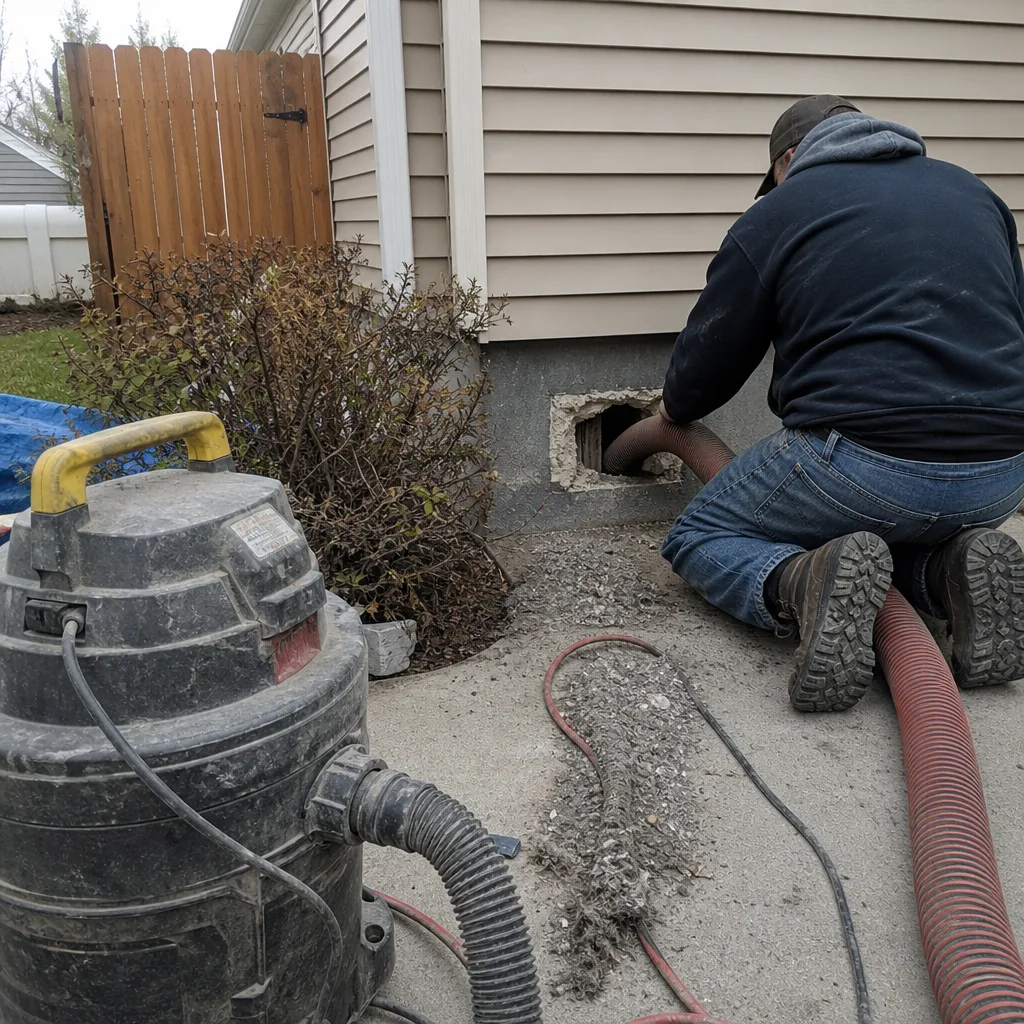 Before
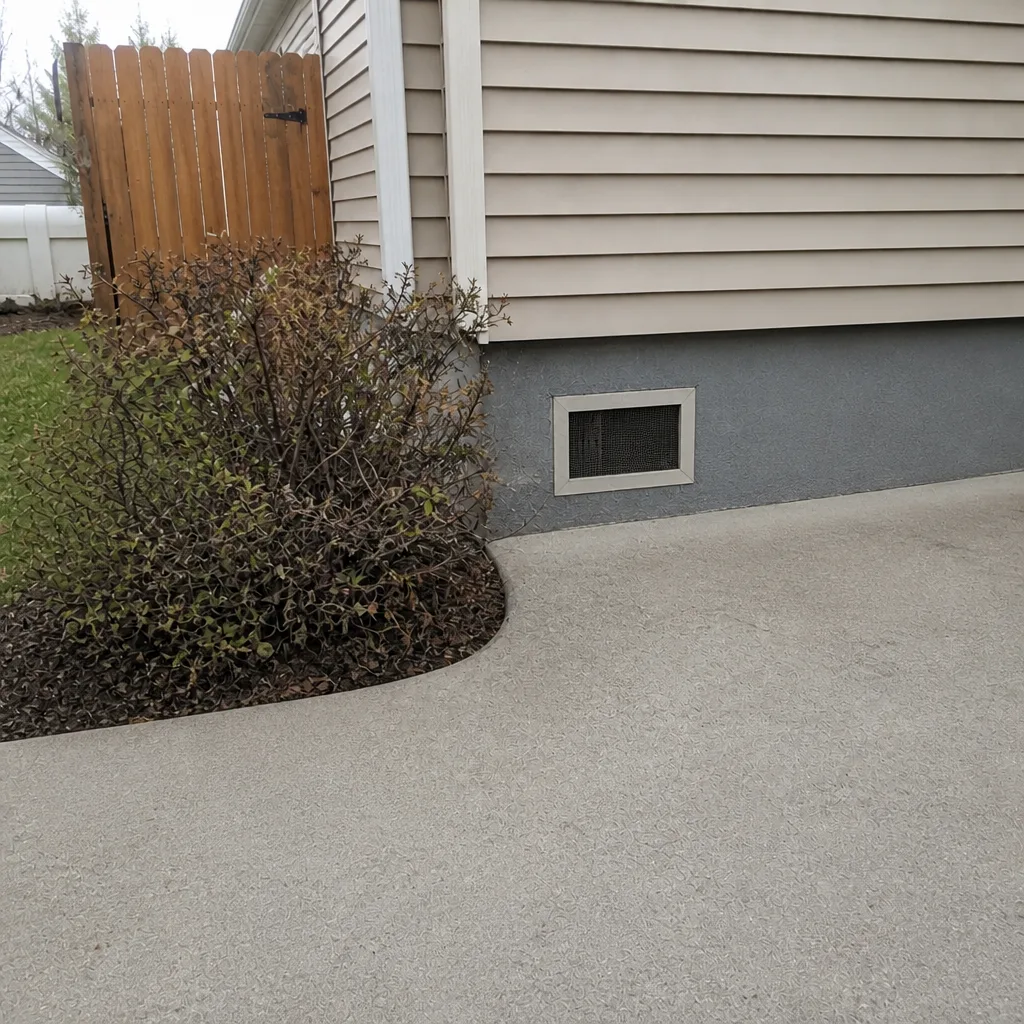 After
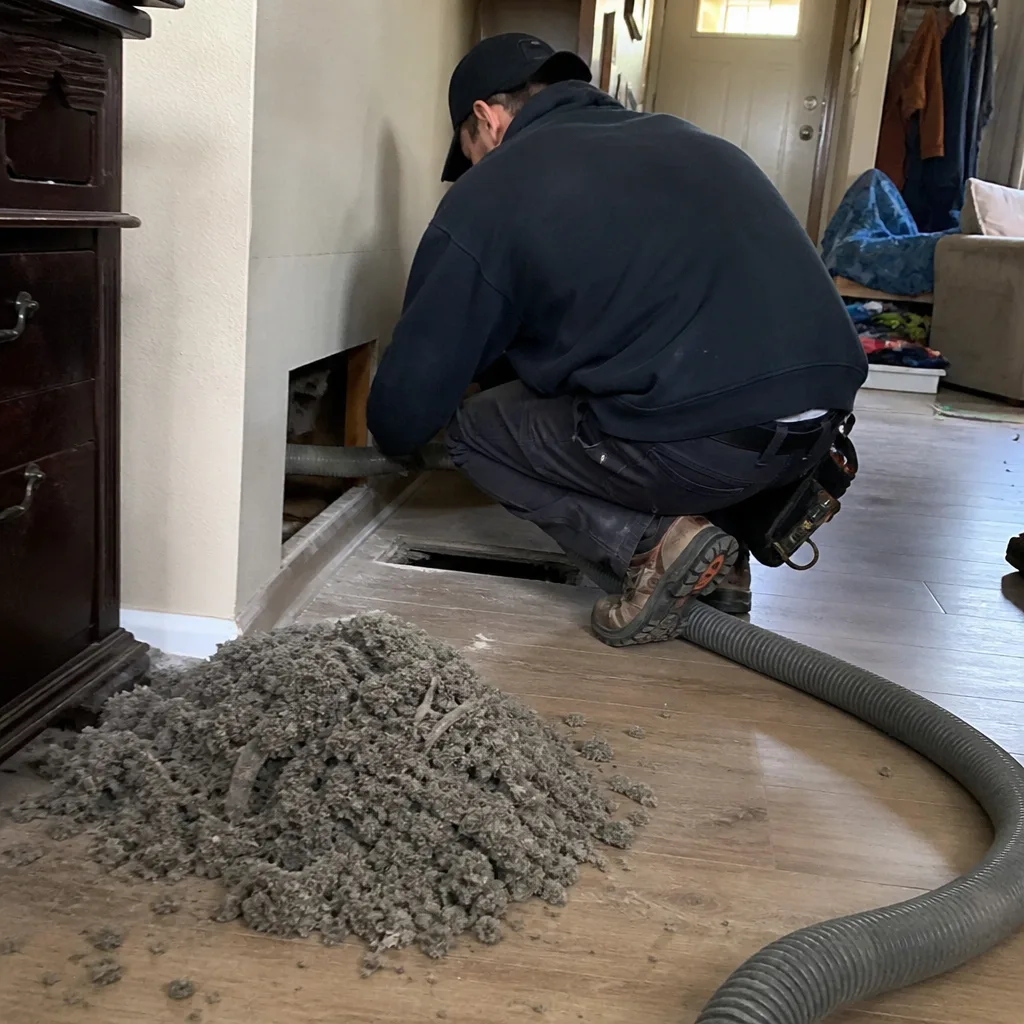 Before
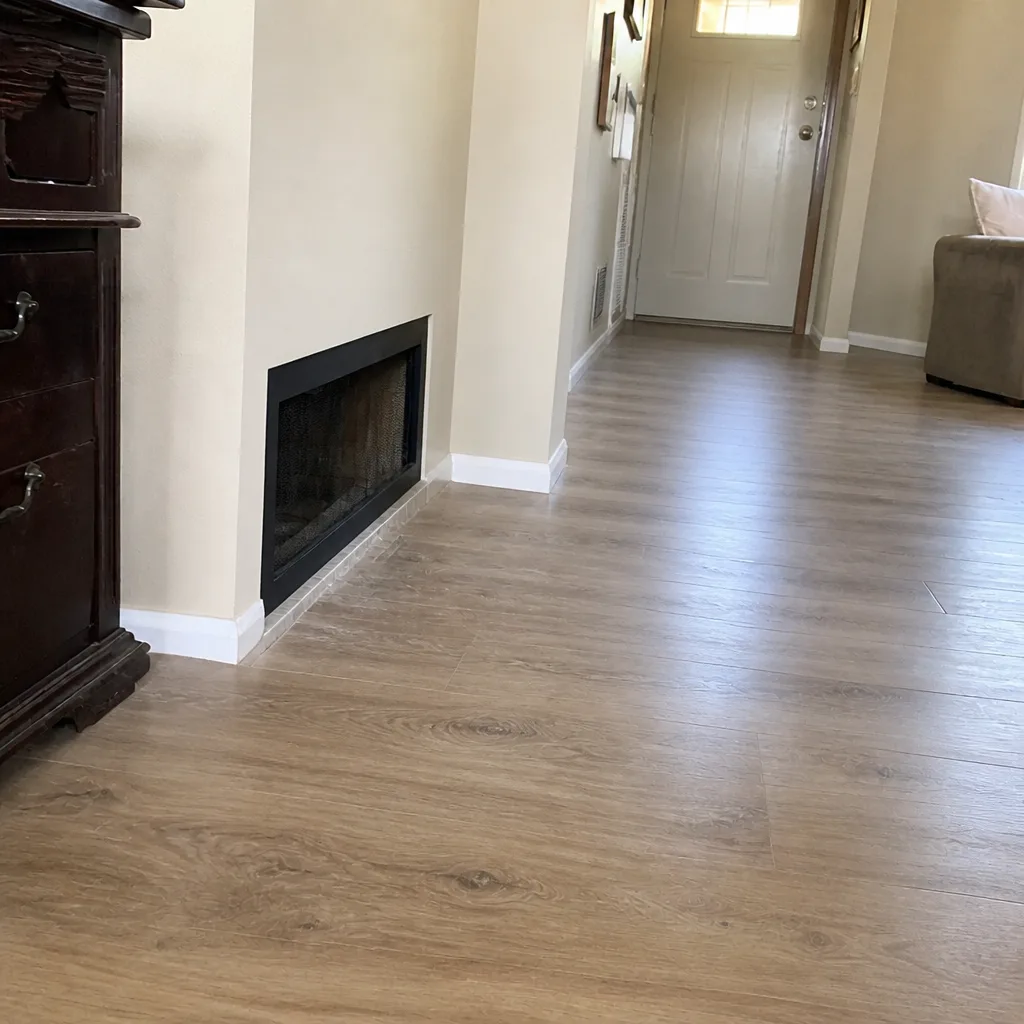 After
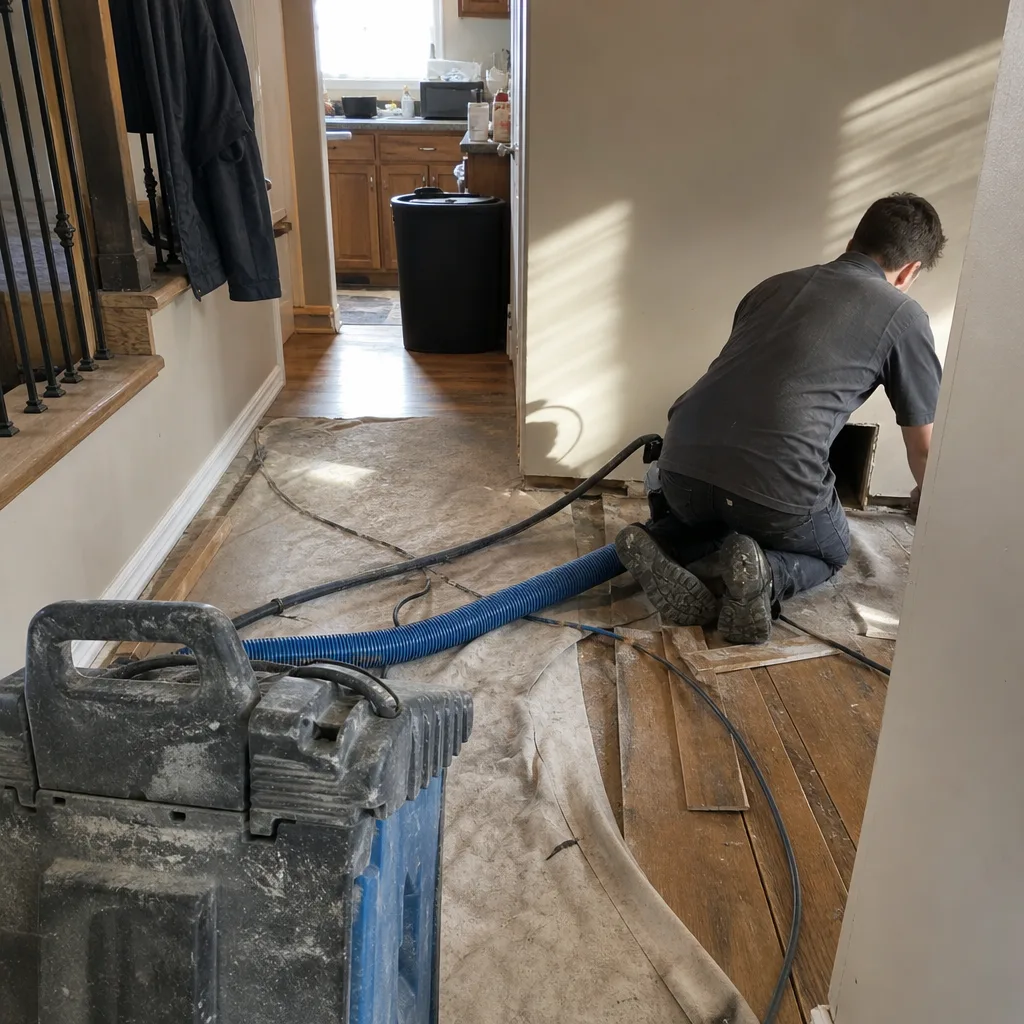 Before
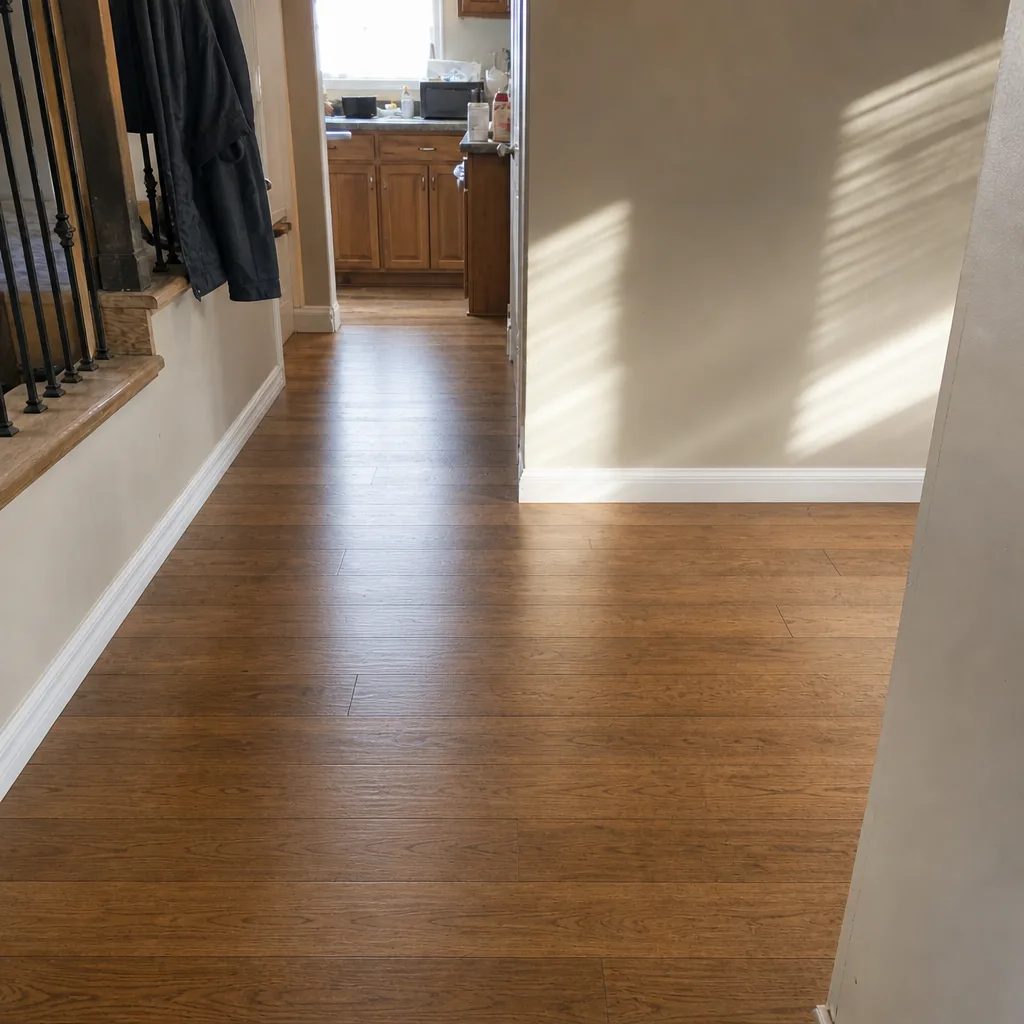 After
When to Call a Professional
Some situations call for a professional cleaning clearly and urgently. If you’ve just moved into a home and don’t know when the ducts were last cleaned, if you notice visible dust blowing from vents when the system runs, if there’s a musty or stale smell when the heat or AC comes on, or if anyone in the home has dust-related allergies or respiratory sensitivity, it’s worth a professional inspection. A system that’s never been cleaned or has been sitting idle through renovation work is also a good candidate – construction dust settles deep into ducts and a shop vac won’t get it.
If the dryer is taking longer than it used to or the vent hood is warm to the touch, call about dryer vent cleaning too. Lockhart Air Duct Cleaning offers free estimates in Spokane Valley – call (844) 352-9945. We answer 24/7. Fast dispatch from 7am to 7pm, Sunday through Friday.
Frequently Asked Questions
Cost depends on the size of the system, the number of supply and return vents, and whether repair work is involved. We give one flat price per system, agreed before work begins, based on an inspection of your actual home – not a per-vent rate that grows as the job goes on. There’s no teaser coupon here that turns into a bigger invoice once the van is in the driveway. Call (844) 352-9945 for a free estimate.
A low bid usually means a narrower scope: fewer vents covered, the main trunk skipped, no pre-job inspection, and no before-and-after documentation. A shop vac and a whip brush can make vents look clean from the outside without removing compacted debris from the system. Ask the cheap quote what equipment they use, how many vents and returns are included, and whether they provide photos afterward. The answers usually explain the difference. Call (844) 352-9945 to compare.
Before-and-after photos of your own ducts, not stock images, plus a written summary of what was cleaned, what equipment was used, and what was found during inspection. Ask for this before the job starts so there’s no ambiguity later. A contractor who doesn’t take photos either isn’t proud of the work or didn’t do it. Call (844) 352-9945 for a free estimate.
There’s no universal schedule. Homes with pets, allergy sufferers, recent renovation work, or a system that’s never been cleaned usually benefit sooner. Homes with less dust load can go longer if the system is in good shape. The honest answer is that a proper inspection tells you more about your specific system than a fixed timeline can. Call (844) 352-9945 and we’ll assess it.
No. Washington does not issue a license specific to duct cleaning, which means there’s no state credential to verify. NADCA membership or certification is the closest thing to a credibility baseline, because it’s voluntary and requires following a published standard. Verify equipment, credentials, quote structure, and documentation instead. Call (844) 352-9945 to talk through what we do.
Some can, most can’t. Cleaning alone is the standard offering. If the inspection reveals disconnected joints, crushed flex duct, or leaks, you’d otherwise need a second contractor. Lockhart Air Duct Cleaning handles cleaning, repair, and filtration upgrades with products like Honeywell and Aprilaire in the same visit. Call (844) 352-9945 for a free estimate.
The Bottom Line
The hiring process for air duct cleaning in Spokane Valley is entirely on you, because Washington doesn’t license the trade. The protection is in the questions: name the equipment, ask about NADCA, demand an inspection and a line-item quote, and confirm you’ll receive before-and-after photos of your own ducts. A contractor who welcomes those questions is the one you want. A contractor who dodges them is telling you everything you need to know. If you’re in Spokane Valley and want to walk through your system with someone who brings professional-grade equipment, handles repair when it’s needed, and documents the work, Lockhart Air Duct Cleaning offers free estimates. Call (844) 352-9945. We answer 24/7. Fast dispatch from 7am to 7pm, Sunday through Friday.
Written by the team at Lockhart Air Duct Cleaning, serving Spokane Valley since 2016.