
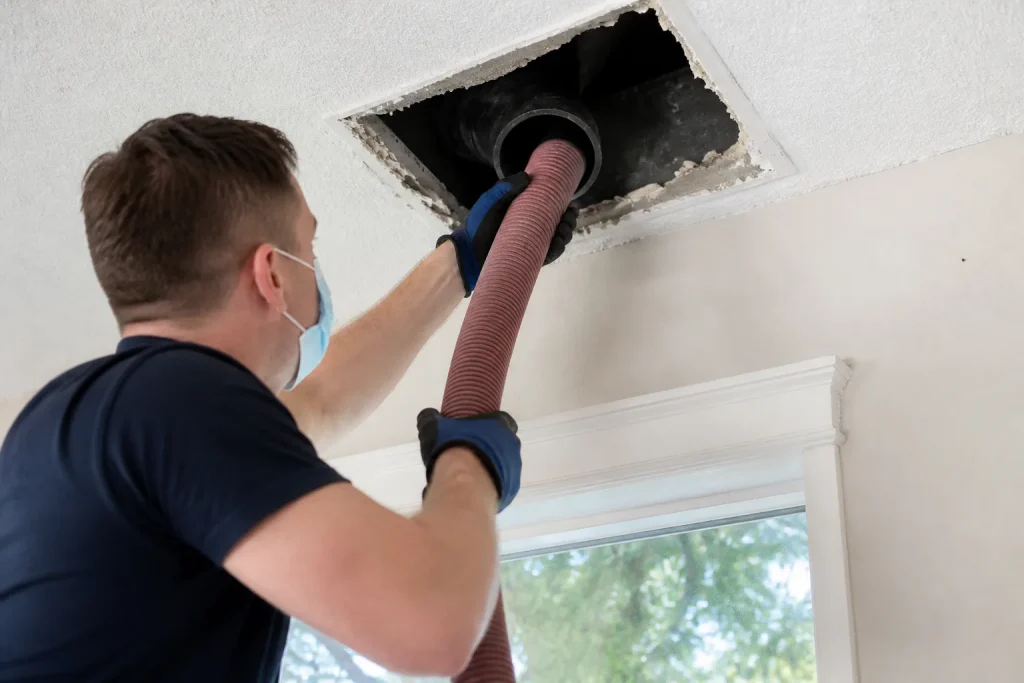
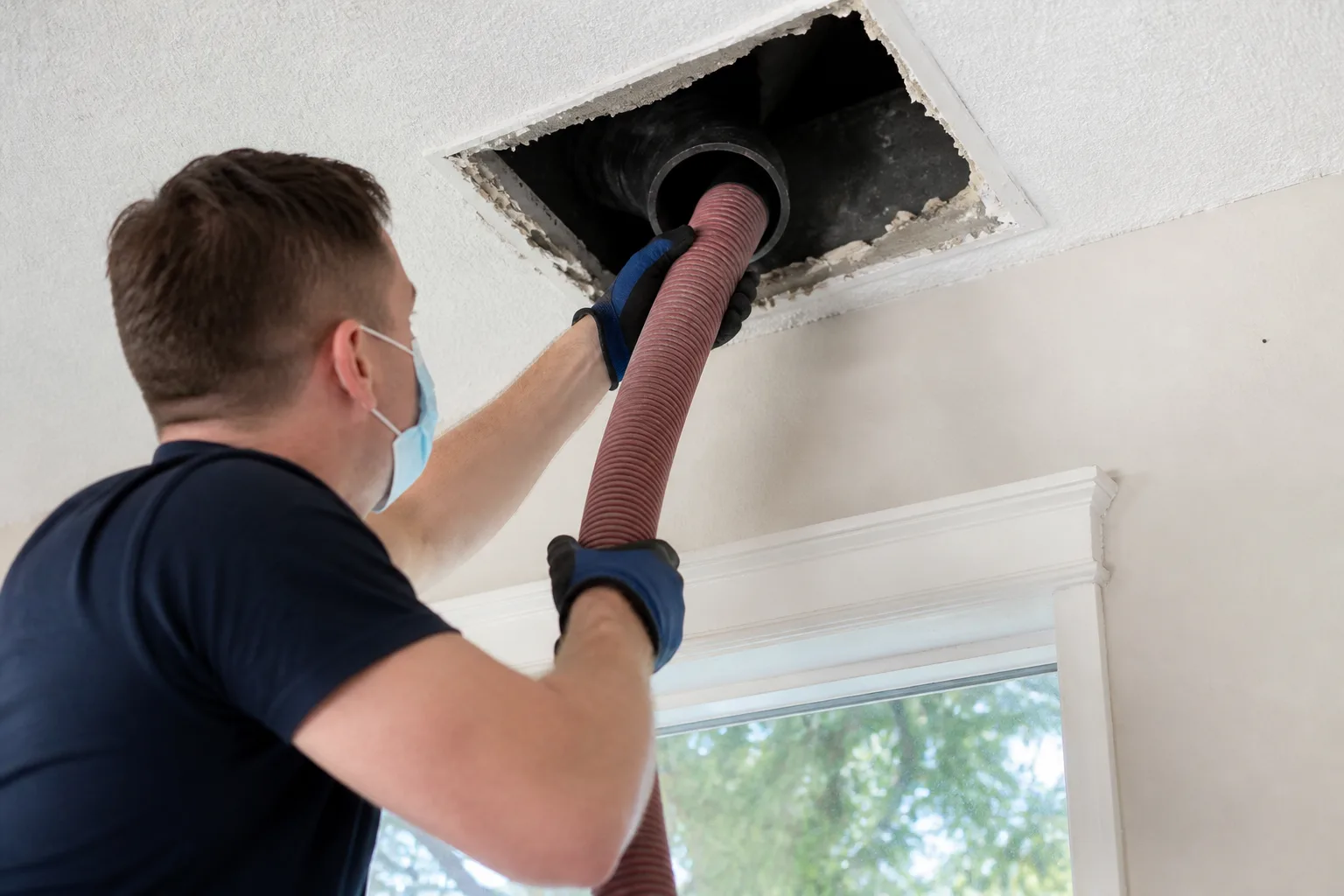
Emergency Air Duct Cleaning Near Me: What Spokane Valley Homeowners Should Do First
If your home just had a fire, a sewage backup, or a rodent problem, the first move is not to call a duct cleaner. It’s to stop the source, shut the HVAC system off, and document everything. Cleaning the ducts before the contamination is under control just coats a clean system with the same problem again. Here’s the order that actually works for Spokane Valley homeowners dealing with a mess they didn’t plan for.
If you’d rather have someone walk you through it, call (844) 352-9945. We answer 24/7. Fast dispatch from 7am to 7pm, Sunday through Friday.
Why You Shouldn’t Call a Duct Cleaner First
We get it. Something bad happened, the house smells, and the ducts feel like the obvious culprit. But here’s the thing: cleaning ducts in a house that still has an active moisture source, a rodent colony, or smoke residue collecting on every surface is like mopping a floor while the pipe is still leaking. You’ll pay for the clean and the problem will be back. The contaminated air just moves through the same system that deposited it there.
In Spokane Valley, we see this often because the same conditions that make homes here comfortable also make contamination spread fast. Cold winters mean the furnace runs hard and pushes air through every room. Crawlspaces and basements, which are common in older Spokane Valley housing stock, trap moisture when a sump fails or a supply line bursts. Rodents find their way into warm duct chases during the colder months and leave droppings and nesting material behind. Each of these situations follows a different sequence of fixing before cleaning, and getting the order wrong costs money.
- Fire or smoke: Secure the property, get the HVAC inspected for fire damage, and don’t run the system until a technician confirms the ductwork is intact.
- Rodent infestation: Seal the entry points and remove the animals first. Cleaning ducts with rodents still inside is temporary at best.
- Water or sewage intrusion: Stop the water, remove wet insulation and debris, and dry the space before touching the ducts.
Call a duct cleaning company after those first steps are handled. If you’re not sure whether you’re at that point, that’s a good reason to get an inspection before committing to a clean.
The Correct Sequence for the Three Most Common Duct Emergencies in Spokane Valley
Each emergency type has its own order of operations. Here’s how we walk Spokane Valley homeowners through each one.
Post-Fire Smoke Contamination
Shut the HVAC system off immediately. Running the fan after a fire pulls soot and smoke particles into the ducts and distributes them through every room before anyone has even assessed the damage. Leave the system off until a technician inspects the ductwork for heat damage, soot deposits, and compromised seals.
- Stop the HVAC system. Don’t run the fan, heat, or AC.
- Have the home assessed for structural fire damage and smoke residue.
- Get the ductwork inspected for soot and heat damage.
- Clean and seal the ducts. Smoke residue is acidic and will keep eating at metal ductwork if it’s left sitting.
- Replace the HVAC filter and consider a filtration upgrade from a line like Aprilaire if the home has recurring smoke or particle issues.
Rodent Infestation
This one surprises people. The droppings and nesting material in the ducts are the visible part, but the real issue is the entry point. Clean the ducts without sealing the gaps and the rodents are back in weeks. In Spokane Valley, rodents tend to move indoors when temperatures drop, and they find the same warm duct chases that keep your floors heated.
- Identify and seal entry points around the foundation, attic, and duct penetrations.
- Remove the animals through trapping or a licensed pest control service.
- Remove and bag the contaminated insulation and nesting material.
- Clean and sanitize the duct system with professional-grade equipment.
- Inspect for chewed duct connections and repair any damaged sections before the system goes back into regular use.
A standard air duct cleaning won’t handle a rodent situation on its own. It needs a repair component too.
Water and Sewage Intrusion
If a sewage backup has flooded your crawlspace, the first call is a water damage remediation company, not a duct cleaner. Wet insulation, contaminated standing water, and saturated building materials need to come out before any duct cleaning can be effective. Once the moisture source is stopped and the affected materials are removed, the ducts can be assessed. Sewage contamination introduces bacteria into the air system, so the cleaning needs to be a full remediation, not a surface pass.
This is where the Spokane Valley climate adds a wrinkle: a wet crawlspace in a cold month takes longer to dry, and mold growth can start before the space is fully dry. Don’t let a duct cleaning company talk you into cleaning before the crawlspace is dry and decontaminated.
Why HVAC Shutdown Timing Matters Immediately After Contamination
The system should come off fast. That’s the single most time-sensitive decision, and it’s one every homeowner can make before anyone shows up. Running the HVAC after smoke, sewage, or rodent contamination moves particles through every supply register in the house and deposits them in rooms that were never affected. The same air movement that keeps your Spokane Valley home comfortable in January turns a localized problem into a whole-house one.
What to do:
- Turn the thermostat to off, not to fan-only. Fan-only still moves air.
- Close registers in the affected areas if the system has already been running.
- Don’t run a portable air purifier expecting it to fix a duct problem. It won’t, though a whole-home filtration upgrade from Honeywell or Aprilaire can help afterward.
- Keep windows closed if outdoor air is smoky or cold, so you’re not adding to the problem.
We can’t overstate this part: the first hour after a fire or sewage event is when HVAC shutdown matters most. After that, it’s about getting the right help in the right order.
What Documentation to Gather Before Emergency Service Work Begins
If you’re planning to file an insurance claim, and most homeowners are after a fire or sewage backup, the documentation you gather before any cleaning crew touches the system is what your claim will rest on. That’s not a reason to delay shutting the HVAC system off. It’s a reason to take photos first.
Here’s what to document:
- Photos before anything is moved. Wide shots of each affected room, close-ups of soot, water lines, rodent droppings, and damaged duct connections.
- Written timeline. The date and time of the event, when the HVAC was shut off, and when each service provider arrives.
- Your HVAC service records. Filter change dates and any prior duct cleaning history. Your insurer may ask.
- The remediation company’s scope of work. Get the written scope from the water damage or fire restoration company before the duct cleaner arrives. Duct cleaning is often a line item on the restoration scope, and the sequence has to be clear.
- Pre-clean test results. If the duct cleaner offers particle testing, keep the report. Post-clean testing gives you a before-and-after record your adjuster can use.
If you’re handling a Spokane Valley insurance claim, ask the duct cleaning company for before-and-after photos of your own system. Any company that won’t take them isn’t documenting anything.
Standard Cleaning vs. Emergency Remediation: What’s Actually Different
These are not the same job. A standard duct cleaning removes accumulated dust and debris from a system that’s functioning normally. An emergency remediation clean has to address the contamination source, contain it during removal, and verify the result afterward. The scope is wider, the process is more careful, and there should be documentation at the end.
Here’s the practical breakdown:
| Scope | Standard Duct Cleaning | Emergency Remediation Clean |
|---|---|---|
| Source of contamination | General dust and debris | Fire soot, sewage, rodent waste, biological contamination |
| Containment setup | Not required for routine clean | Required: sealed registers, negative pressure, contained waste bags |
| Duct inspection | Visual check | Full inspection with structural repair if needed |
| Pre-cleaning testing | Optional | Recommended for insurance claims |
| Post-cleaning testing | Before-and-after photos | Particle testing plus before-and-after photos |
| Filtration recommendation | Often a filter upgrade | Filtration and purification upgrade discussed during the visit |
An emergency remediation also frequently involves duct repair, because fires can compromise seals and rodents can chew through flex duct. That’s why we handle both cleaning and repair in the same visit.
Red Flags: How to Spot a Cosmetic Clean
Not every company offering “emergency duct cleaning” in Spokane Valley is equipped for the work. Emergency remediation requires equipment and containment procedures that most cleaning crews don’t carry. Here’s what to watch for.
- No containment setup. A remediation clean requires sealed registers and contained waste removal. If they show up with a shop vac and start pulling debris, that’s not remediation.
- No pre- or post-testing. Particle testing before and after gives a baseline and a result. If a company won’t test, they can’t verify the clean.
- No inspection of the duct system. Emergency cleaning without inspection misses the damaged section that caused the problem or that got damaged by it.
- No before-and-after photos. You should see your own ducts, not stock photos.
- Commercial equipment missing. Professional-grade equipment, like the Rotobrush and Nikro systems we use, makes a difference in a contaminated system. Consumer or light-grade tools won’t touch deep contamination.
- Price keeps moving. One flat price per system, agreed before work starts, is the standard. If a per-vent quote starts climbing once they’re inside, walk away.
When to Call a Pro
If the contamination source isn’t sealed, if you can smell smoke or mustiness from a register, or if you’ve seen rodents in the ductwork, it’s time to call. Call (844) 352-9945. We answer 24/7. Fast dispatch from 7am to 7pm, Sunday through Friday.
Related services in Spokane Valley: We handle dryer vent cleaning as a dedicated service, and dryer vents are a serious fire risk that most duct cleaners skip. If a fire, rodent, or water issue could affect that vent, it’s worth checking at the same time.
The Bottom Line
The sequence matters more than the service. Stop the source, shut the HVAC off, document everything, then call a duct specialist who can properly clean, inspect, and repair your system. Cleaning before the source is controlled wastes money and leaves you with a re-contaminated system.
Lockhart Air Duct Cleaning uses professional-grade Rotobrush and Nikro systems, offers duct repair alongside cleaning, and works with Honeywell, Aprilaire, Abatement Technologies, and Guardsman air quality products, so one visit can cover cleaning, repair, and a filtration upgrade if needed. We’ve been serving Spokane Valley since 2016. If you’re in Spokane Valley and need help, Lockhart Air Duct Cleaning offers free estimates. Call (844) 352-9945. We answer 24/7. Fast dispatch from 7am to 7pm, Sunday through Friday.
If you need our full duct cleaning service rather than emergency remediation, our Lockhart Air Duct Cleaning team can walk you through what to expect.
Frequently Asked Questions
Stop the water, get water damage remediation started, and shut the HVAC system off. Duct cleaning comes after the moisture source is stopped and contaminated materials like wet insulation are removed. If the ducts are cleaned before the crawlspace is dry and decontaminated, the system gets recontaminated as soon as it runs.
No. Running the HVAC after a fire is the fastest way to move soot and smoke particles through every room in the house. Turn it off, keep it off, and get the ductwork inspected before restarting the system. This is the most important single decision after a fire event.
Ask three questions: Do you set up containment? Do you do pre- and post-testing? Can I see before-and-after photos of my own ducts? A company doing real remediation will answer all three without hesitation. A company doing a cosmetic clean won’t. One flat price per system, agreed before work starts, is also a baseline. Call (844) 352-9945 for an exact quote. Estimates are free.
The cost depends on the scope: a standard clean on an uncontaminated system is smaller than a remediation clean that covers containment, testing, and possibly duct repair. We don’t quote per-vent prices or teaser coupons. We set one flat price per system by written estimate, agreed before we start. Call (844) 352-9945 for an exact quote. Estimates are free.
Written by the team at Lockhart Air Duct Cleaning, serving Spokane Valley since 2016.
Need Air Duct Cleaning Help?
Call Lockhart Air Duct Cleaning - licensed & insured, here with fast help in Spokane Valley.
(844) 352-9945